The Hays Humm
The April Magazine
Betsy Cross - Loren Steffy - Samantha Youngblood
Mark your calendars and join us—look closer at wildflowers, insects, and birds, and see what’s been there all along. What if the most interesting discoveries aren’t hidden at all.
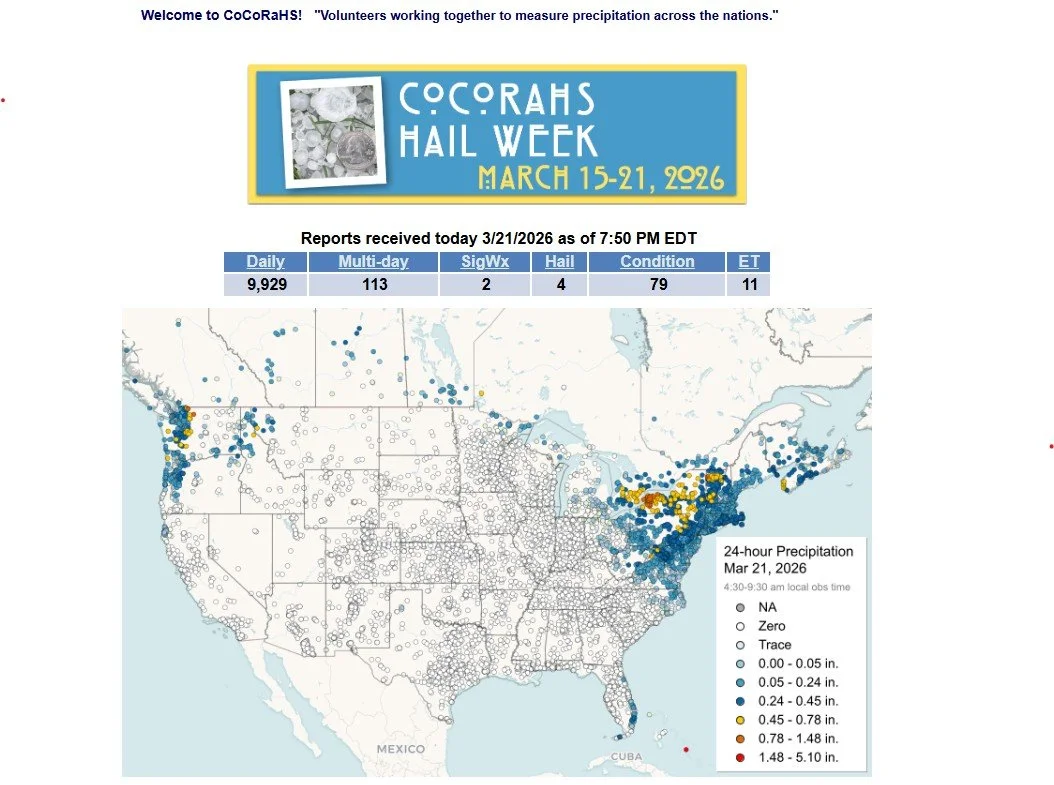
Community Collaborative Rain, Hail, and Snow Network: “Volunteers working together to measure precipitation across the nations.”
From the Maine coast to the Texas Hill Country, one Master Naturalist traces a lifelong connection to place and the landscapes that shape both story and stewardship.
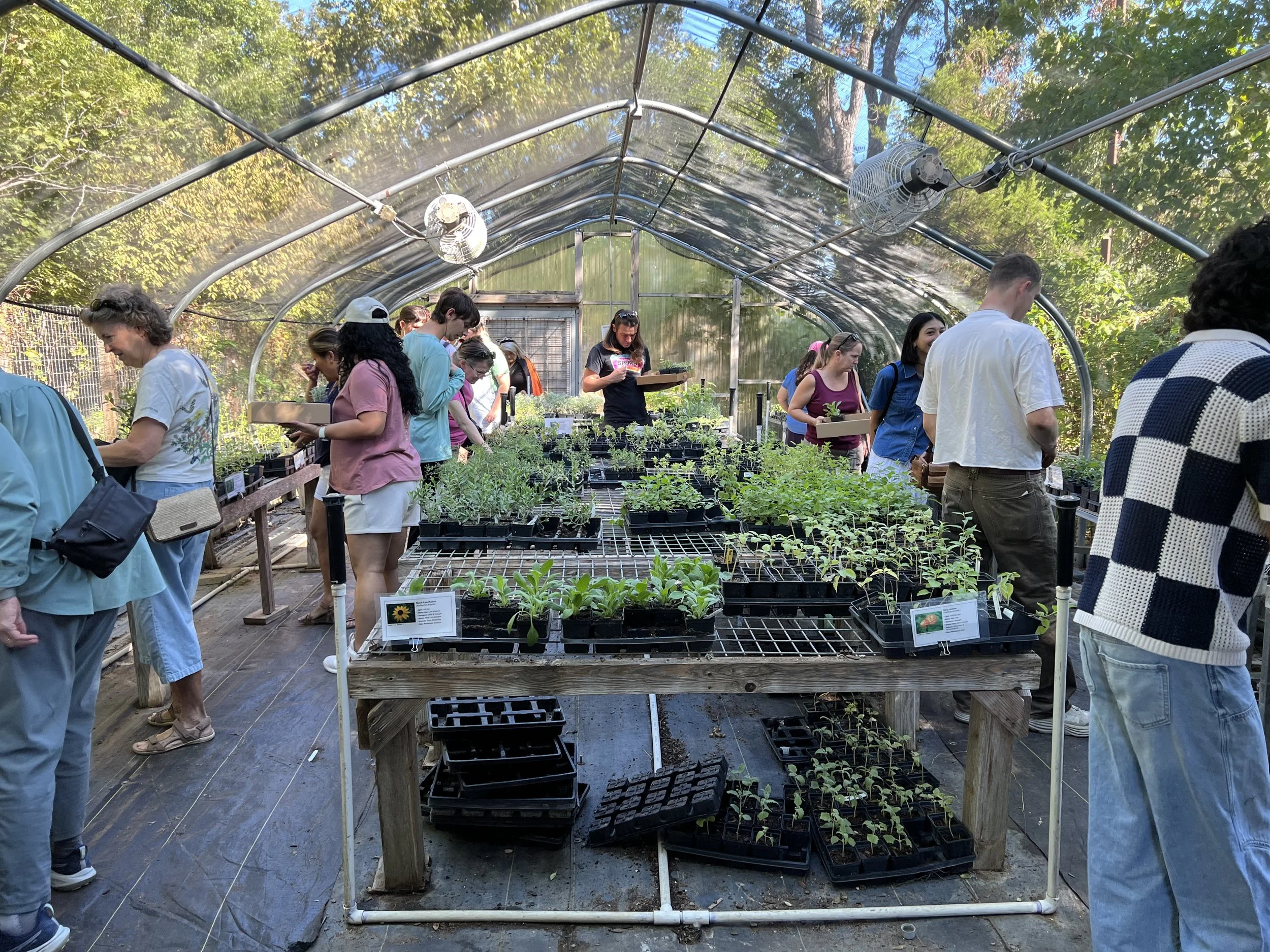
Ready to grow something that belongs? Explore the benefits of native plants and find your inspiration at the Spring Native Plant Sale, April 4, at the San Marcos Discovery Center.
The 2026 Naturescapes Photography Contest is currently accepting entries. Wimberley artist Martha Gibson is serving as juror for the 2026 contest.
When you return to the same trails week after week, even the most familiar paths still hold surprises waiting just around the next bend.
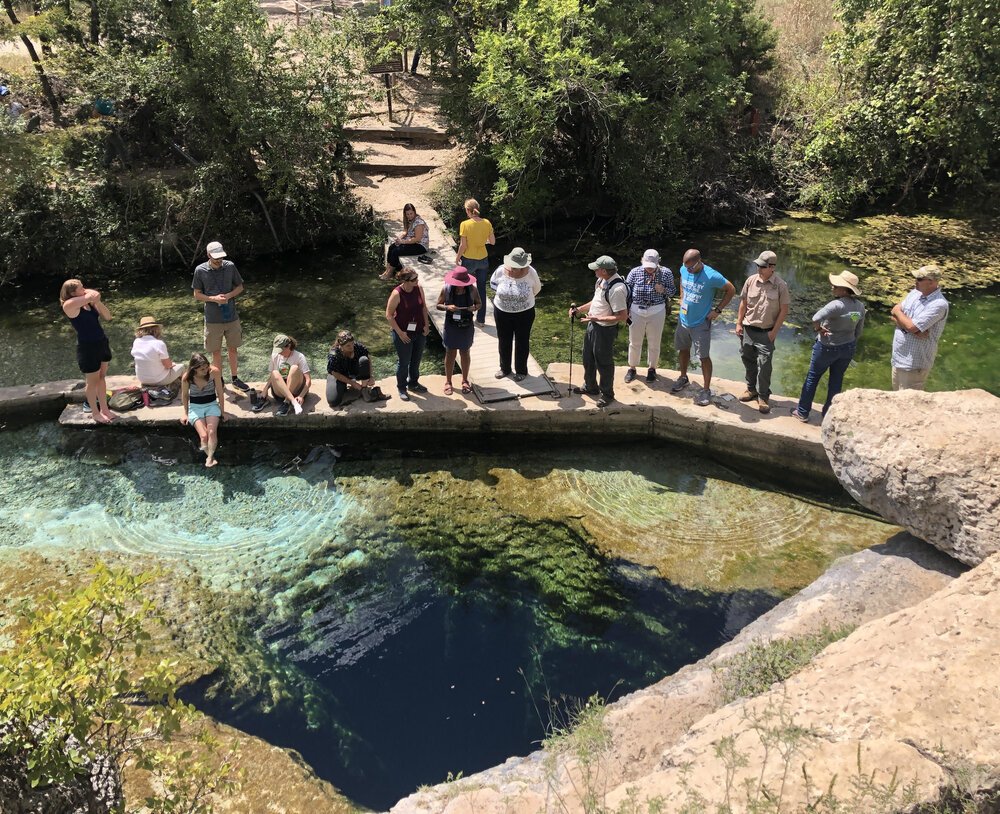
The rapid growth of the Hays County area is increasing the burden upon this valuable resource. Understanding our water supply and how it effects the land helps us to make better water management decisions.
The continuous water cycle starts with rain. Of the rain that falls on the land, 89% of it either evaporates directly to the atmosphere or processed through transpiration in plants into the atmosphere. The remaining 11% seeps into the ground or runs off as surface water to rivers and streams. Of the water on the earth’s surface, 97% of it is saltwater and 1-2% is frozen glaciers, ice, and snow around the world. That leaves about 1% of water available for consumption.
Watersheds are basin-like landforms defined by highpoints and ridgelines that descend into lower elevations and stream valleys. A watershed, sometimes called a drainage basin or catchment, carries water “shed” from the land after rain falls and snow melts.
Soil erosion via water flow is a significant issue in Hays County and in all of the Texas Hill Country. Our geology with the limestone base and relatively thin soil makes it difficult for rain to soak in quickly.
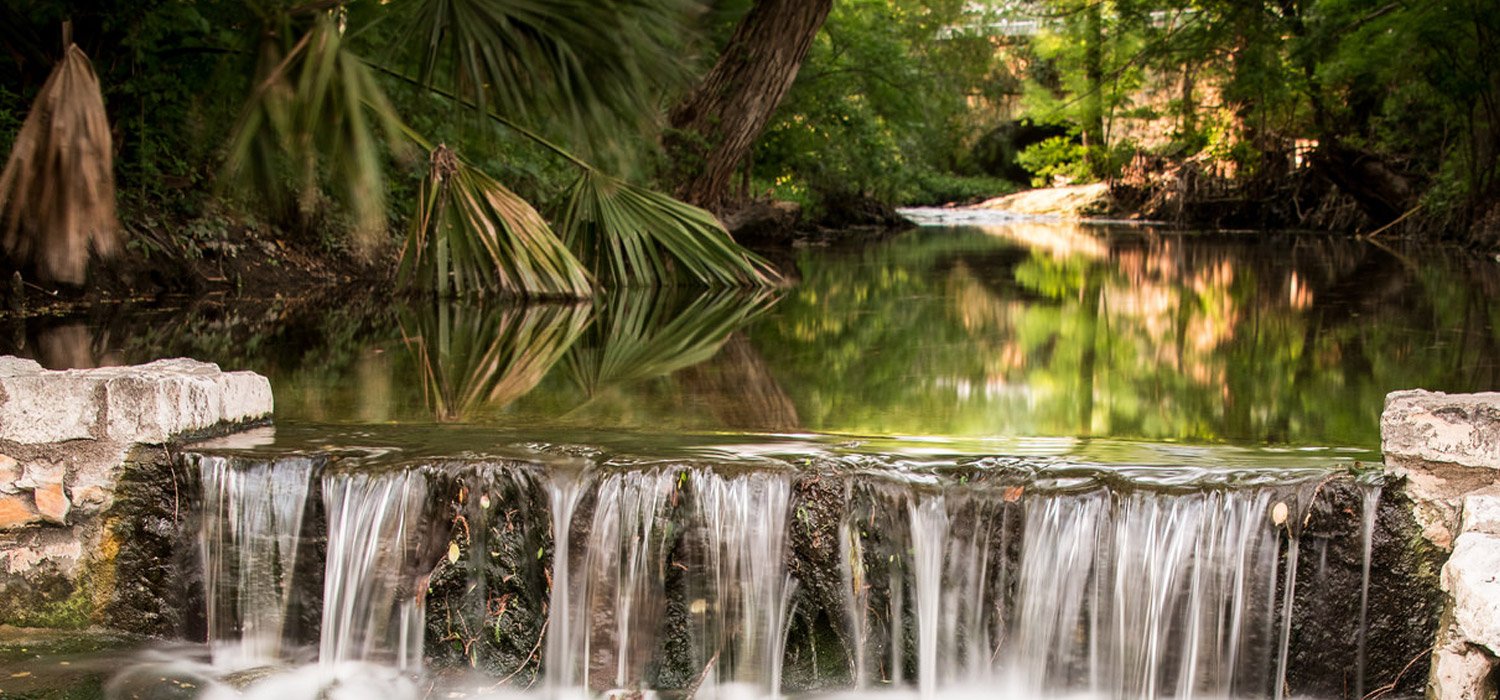
Water attracts wildlife and is great for plants. While not everyone can live near a river or lake, everyone has the option of building a water feature. In this article we will cover how to make a small wildlife pond or water feature that can be maintained year-round with only rainwater.
If you live in the Wimberley Valley, your property is part of the Blanco River Watershed. But “watershed” is a misleading way to describe it. The word implies getting water off the land as quickly as possible. Instead we should re-conceptualize our valley as a “water catchment area.” This term, used by most of the rest of the world, suggests capturing water before it flows downstream.
The majority of Hays County is in the Edwards Plateau ecosystem. When European settlers arrived in the mid-1800s, the area was a patchwork of grassland savannahs and woodland stands of juniper and oak which supported large herds of bison, deer and antelope.
Introduction of livestock and non-native plants and grasses, as well as construction and farming, have dramatically changed the area, especially its water resources.
One mission of the Master Naturalist organization is to provide information and guidance to landowners to help return the land to a more natural state.
Invasive plants cause damage to native eco-systems when they out-produce or restrict native plants resulting in reduced food, shelter or other resources needed by native wildlife. Native plants and animals evolved together and are part of a system that is balanced and sustainable.
Hays County is home to a wonderful array of native plants that thrive because they have adapted to local conditions. These native plants create a unique and beautiful natural landscape.
Native plants are more successful as landscape plants than non-native because they have adapted to our local conditions. Native plants sustain our native wildlife, from organisms in the soil to herbivores and carnivores. The more familiar we become with native vegetation, the more we can appreciate and enjoy them.
Hays County is a plant lover’s paradise. Alongside our beautiful grasses, trees, and shrubs there are a multitude of flowering plants and vines, many of which we cultivate as garden and landscaping plants.
Grasses form the core of our natural landscape. Hays County is fortunate enough to have an impressive array of native grasses which fit all of our environmental conditions.
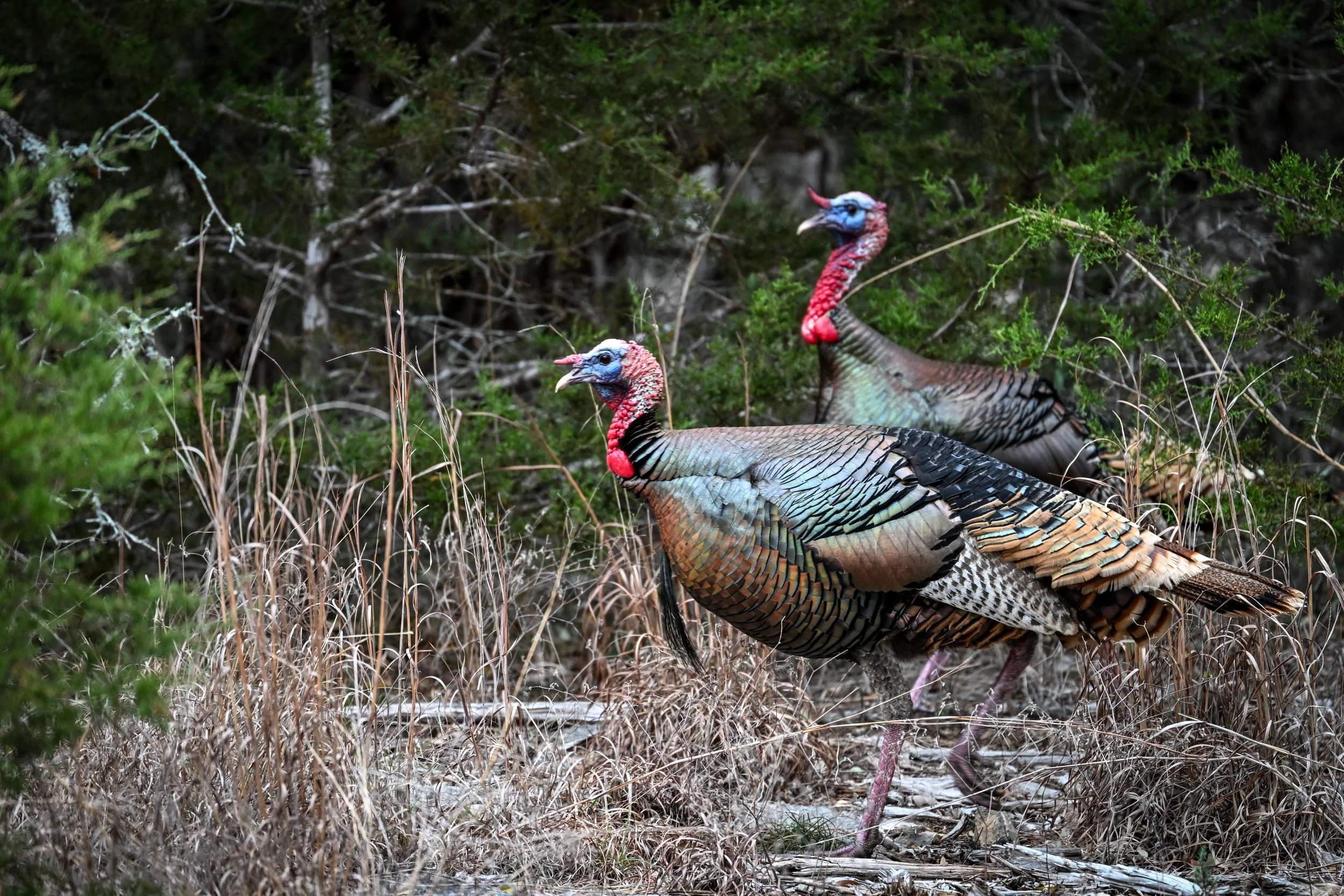
We share our environment with many other species, all of which play a vital role in the ecosystem. With natural habitats dwindling in the Hill Country, appropriate land stewardship is becoming critical to survival for many species.
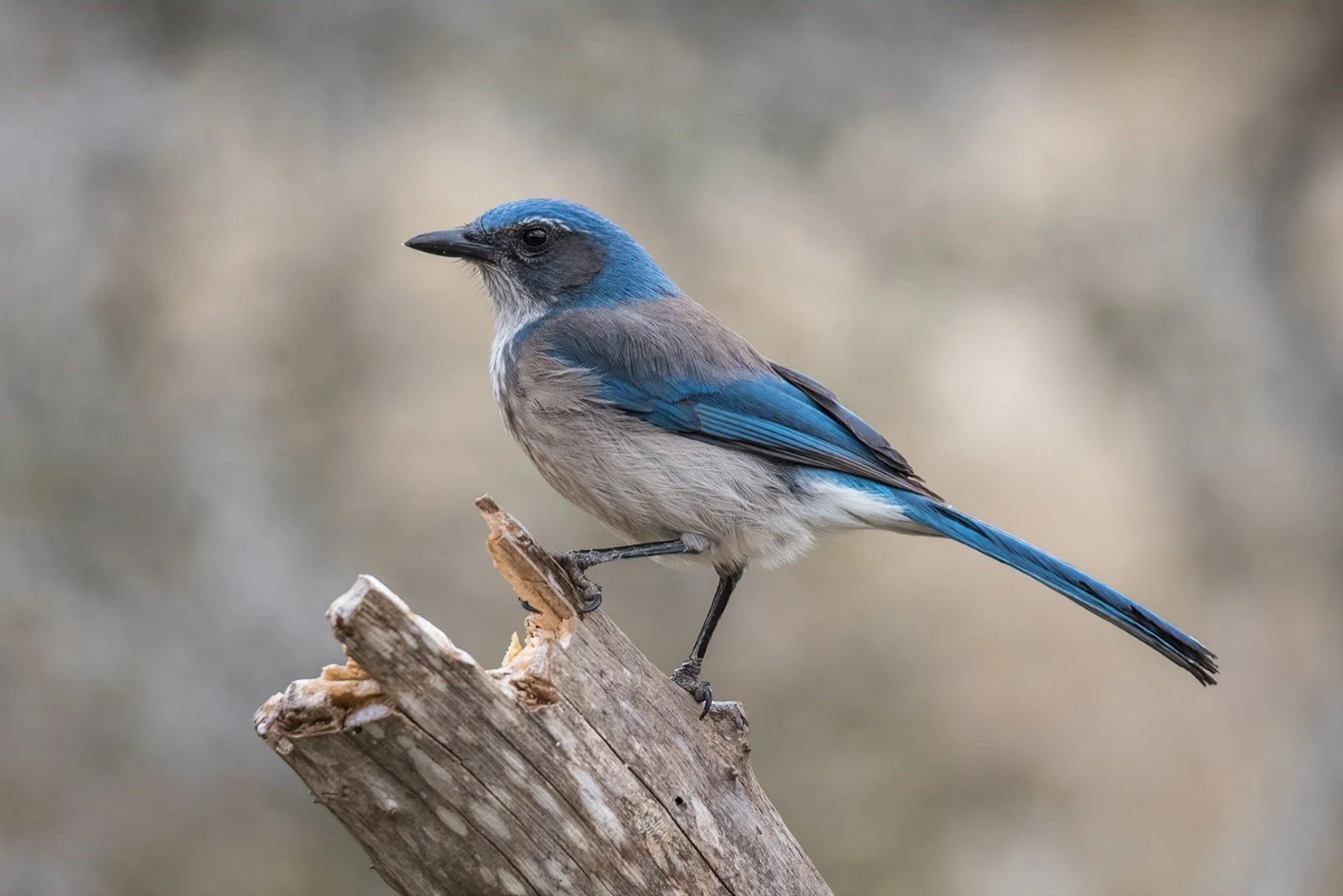
Hays County is home to a great multitude of bird species. Situated on the Central Flyway and existing in both the Edwards Plateau and Blackland Prairie eco-regions, Hays County has recorded over 300 species of birds.
Would you like to know more about what makes a good birdhouse? How to make one, what makes it attractive to birds, how to keep the birds safe?
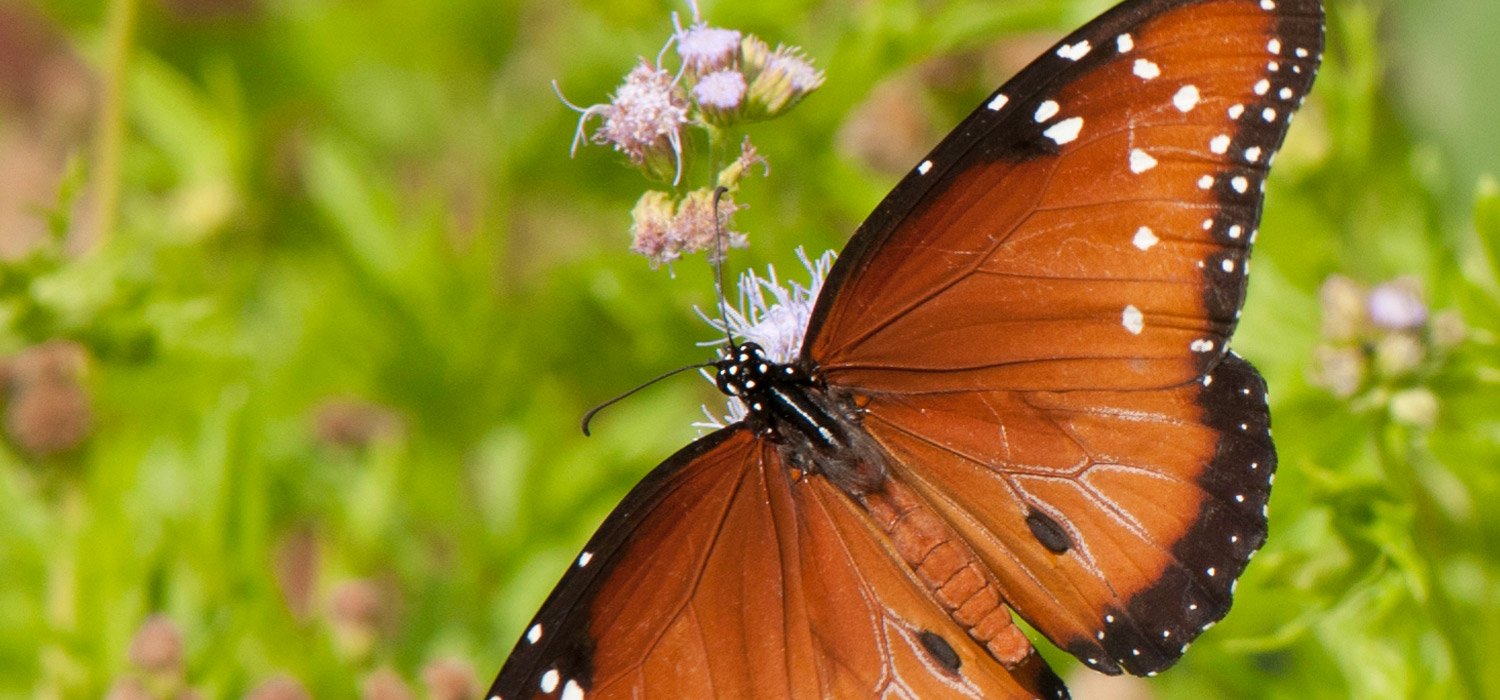
Insects are the largest group of organisms in our world in terms of quantity of species. They represent approximately 40% of all known species of living things. We study insects because they are so biologically diverse, they are adaptive, and our ecosystem requires them in order to survive.
Hays County is home to more than fifty species of freshwater fish. Many are fairly common and quite abundant, including a number of sportfish species. However, several species are less far-reaching and are unique to central Texas.
Hays County’s herpetofauna (population of reptiles and amphibians) is diverse and unique—reflecting the County’s position at an intersection of several of the state’s eco-regions and the one-of-a-kind habitats associated with Edward’s Aquifer and Edward’s Plateau.
Humans have a major impact on the land and natural resources. Positive actions regarding conservation will result in a healthier natural environment.
Land restoration is the process of returning a site to a natural landscape and habitat, safe for humans, wildlife, and plant communities. Developing and following a land restoration plan are the means of accomplishing this goal.
Within their native habitats, animals should be able to find the basics necessities for maintaining their health and lives; water, food, and shelter…
Flash floods have been part of the Hill Country for over ten million years, ever since the rivers and creeks began carving out their deep valleys and leaving behind 200-250 ft. high hills. While we can’t stop flash floods, we can reduce their intensity and the amount of damage they cause.
Wildfires play an important role in nature. Some ecosystems, such as grasslands, rely on natural fires to regulate growth and recycle nutrients. There is an entire scientific discipline, Fire Ecology, focused on understanding the natural processes involving fire and how ecosystems respond.
On one property, the problem was that runoff quickly filled the small drainage ditch along the driveway and rushed down to the creek. The owners created diverters along the driveway to catch the runoff and divert it on the native grasses bordering the driveway.
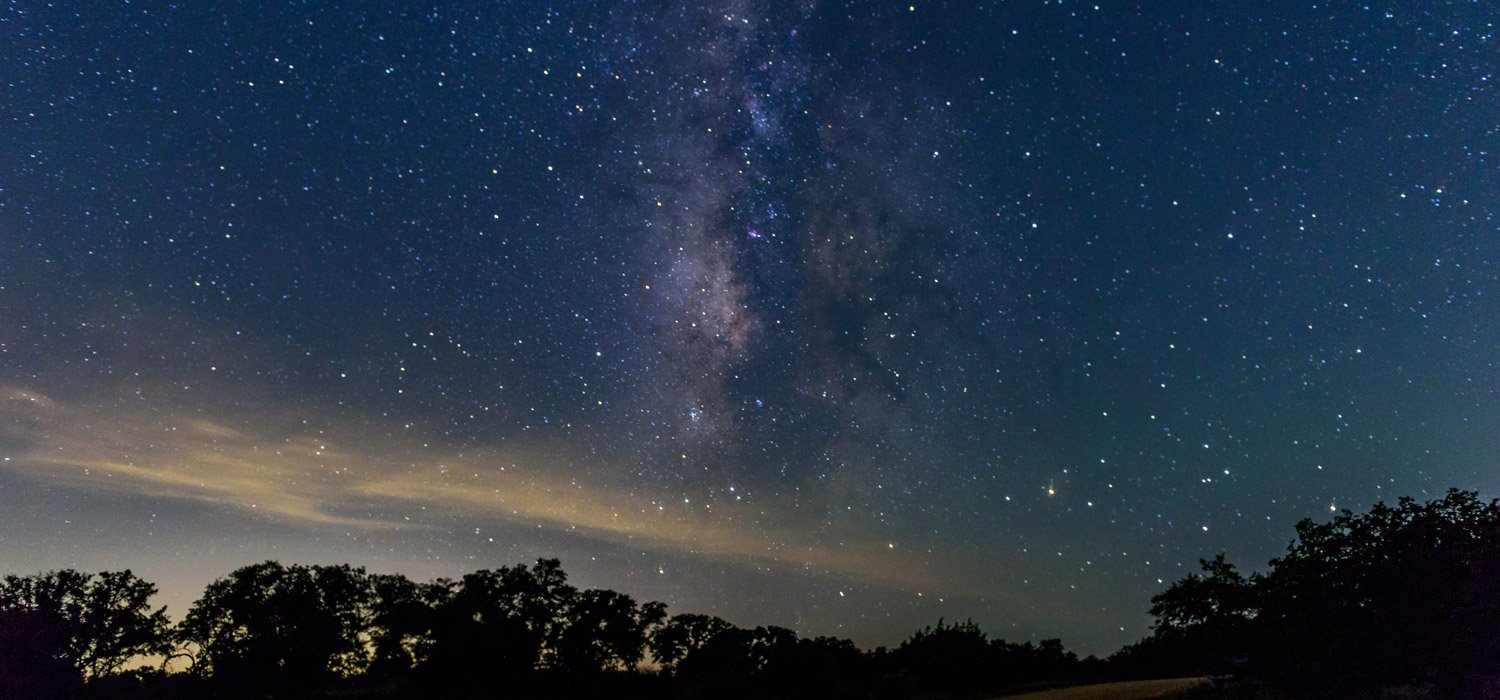
Hays County residents are fortunate enough to have the Milky Way visible throughout much of the area. The night sky is part of our heritage and reminds us of our connection to the universe.