City Nature Challenge 2026
A Citizen Science Project
Image from iNaturalist: https://www.inaturalist.org/projects/city-nature-challenge-2026-austin
Leah Fenley Adrian
It Starts With a Closer Look
It doesn’t take much to miss what’s right in front of us.
Most days, we move quickly—between meetings, errands, and obligations—passing by the same patches of grass, the same trees, the same stretches of sidewalk without a second thought. We have competing priorities! Schedules to maintain! No time to lollygag! But for a few days each spring we are given permission, no, a mission to slow down, to pause, to look closer.
That’s the idea behind the City Nature Challenge—not just to document nature, but to notice it. If you need a sign that you need to take some time to slow down and enjoy the wonder of your neck-of-the-woods, this is it!

Hays County City Nature Challenge - Project 2402
April 24 - 27, 2026
Across Hays County, participants step outside with a simple goal: observe and record the living things around them. It might be a wildflower growing in a field, a beetle crossing a driveway, or a bird calling from somewhere just out of sight. With a quick photo and a few taps, those small moments become part of something much bigger. It is a shared effort to better understand the natural world in which we live.
The Challenge itself started in 2016 as a friendly competition between Los Angeles and San Francisco, organized by community science teams at the Natural History Museum of Los Angeles County and the California Academy of Sciences. What began as a one-week experiment—documenting urban biodiversity through public participation—quickly gained momentum. In that first year alone, more than 20,000 observations were recorded, capturing thousands of species and even uncovering new records.
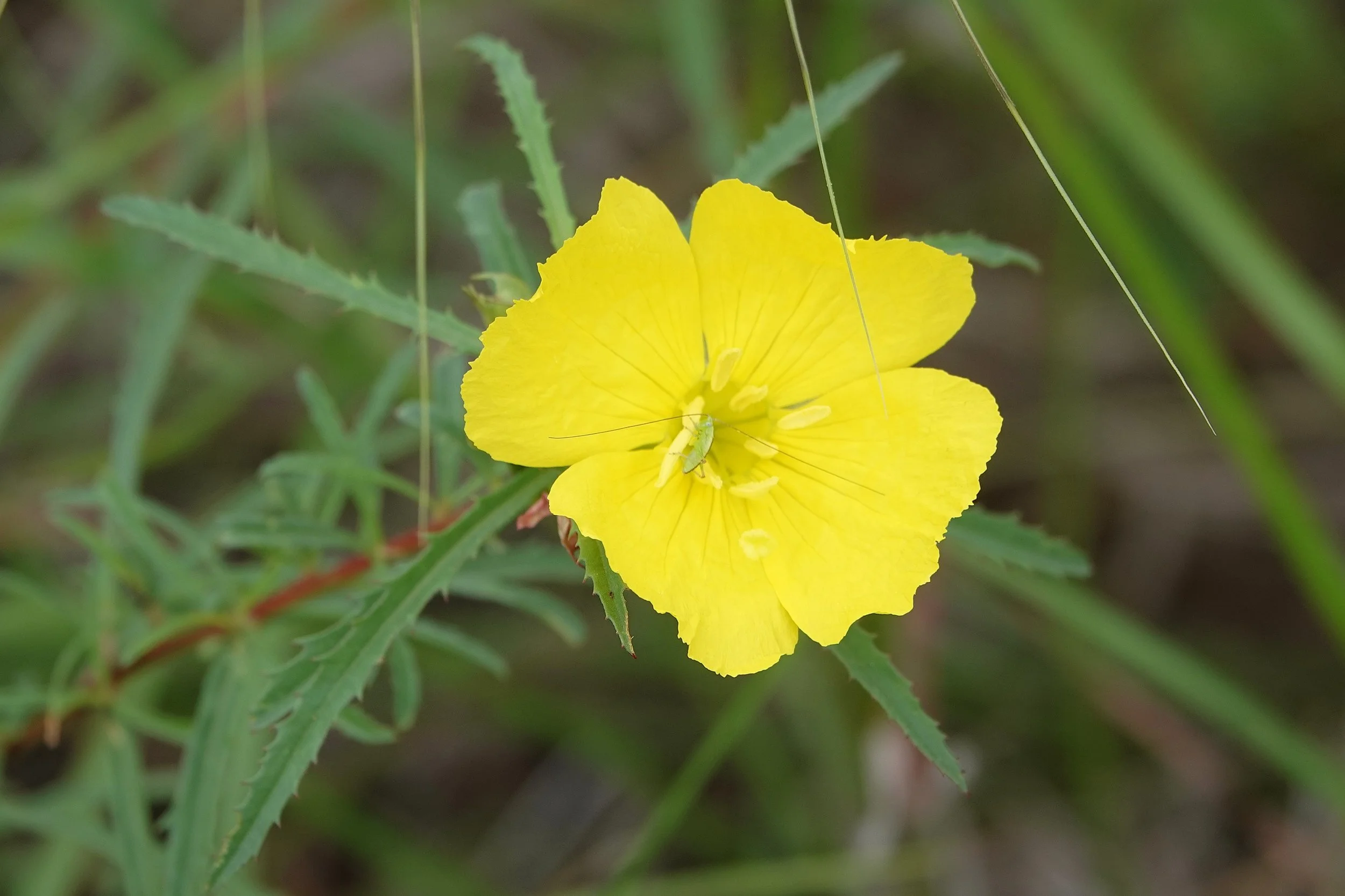
Berlandier's Sundrops (Oenothera capillifolia) Photo courtesy HCMN Sharon Moore, City Nature Challenge 2025
Interest spread quickly. Within a year, the effort expanded nationwide, and by 2018, it had grown into an international event. Today, cities around the world take part in this four-day “bioblitz,” working both collaboratively and competitively to document as many species as possible.
At its core, though, the purpose remains simple: to build a clearer picture of biodiversity in urban areas—and to make that process accessible to anyone. You don’t need a background in science to participate. In fact, part of what makes the City Nature Challenge so effective is how straightforward it is.
Participants use the iNaturalist app to take photos of plants and animals. The app helps identify what you’ve found, and a global community of users can confirm or refine those identifications over time. Each observation becomes data points that can be used by researchers, land managers, and conservation organizations to better understand species distribution and ecological patterns, especially because this happens every year at the same time all over the world.
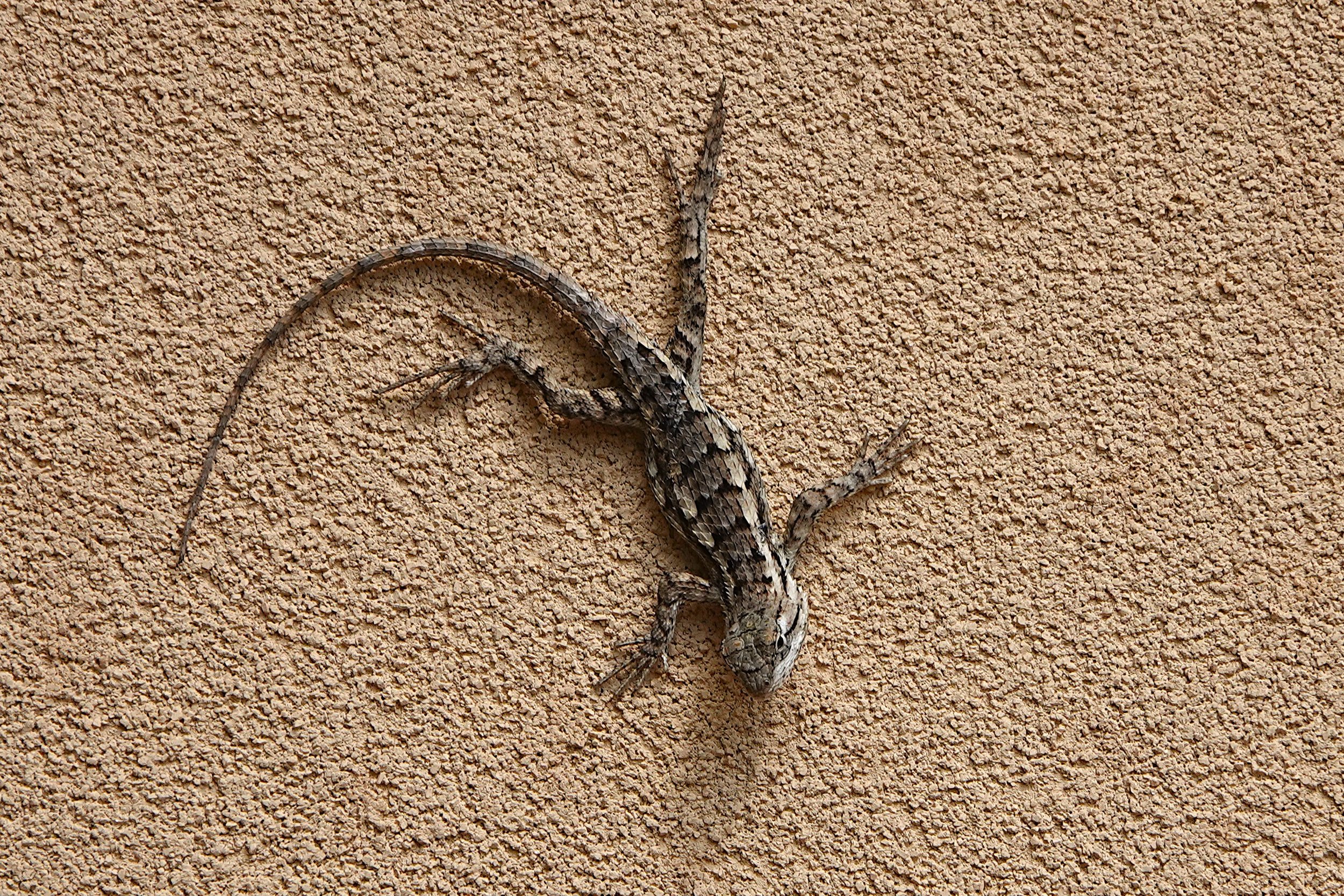
Texas Spiny Lizard (Sceloporus olivaceus) Photo courtesy HCMN Sharon Moore, City Nature Challenge 2025
Local Knowledge and Personal Observance
Locally, groups like the Hays County Chapter of Texas Master Naturalist, play an important role in contributing to the City Nature Challenge. Through guided walks, informal meetups, and one-on-one conversations, volunteers help participants learn how to observe more closely, use tools like iNaturalist, and better understand what they’re seeing. Our involvement helps lower the barrier to entry, especially for those participating or using iNaturalist for the first time. We reinforce the idea that you needn’t be an expert to contribute, and you have a community of folks available to support you. You’re not alone, even if you’re by yourself. You can find a wide variety of training opportunities below.
During this bioblitz, what tends to stay with people isn’t just the data, it is the act of paying attention. There’s a spark of curiosity in nature that becomes more apparent as you look, and a Scavenger-Hunt-feel to the initiative. You’re on a quest! Are plants returning in familiar cycles? What birds do you see? Is there anything surprising crawling in the dirt? Have I ever noticed that weird tree on the corner?
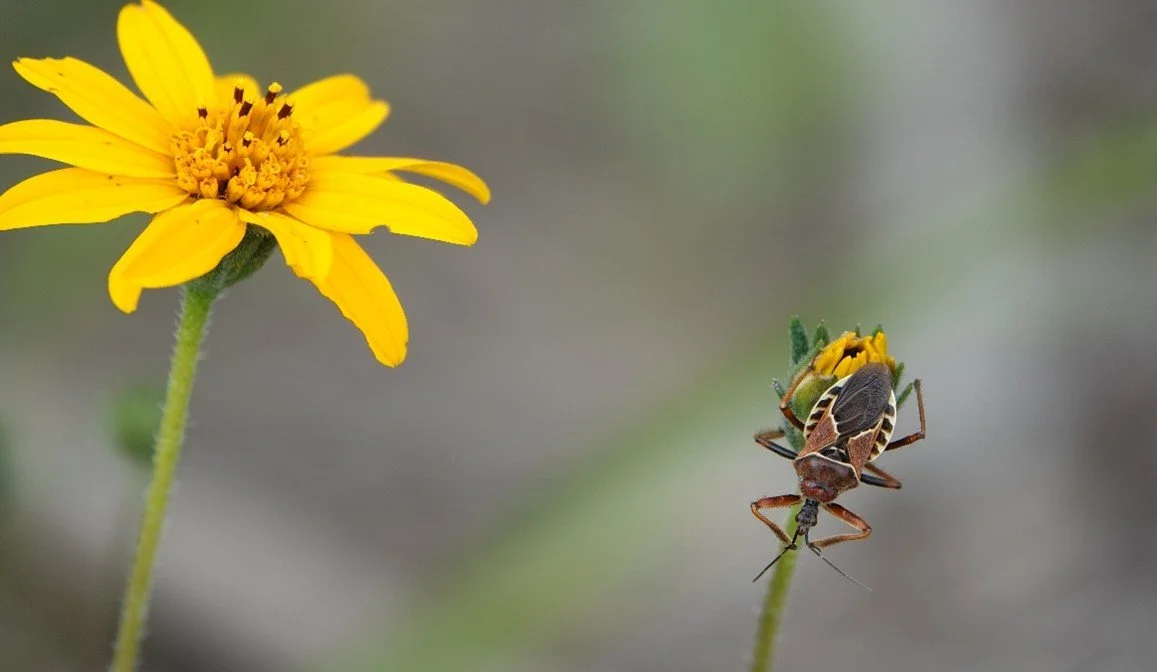
Plains Bee Assassin (Apiomerus spissipes) Photo courtesy HCMN Sharon Moore, City Nature Challenge 2025
Even in the middle of a busy neighborhood or along a roadside ditch, there’s something neat about cataloging all the life around you. Kids tend to take to it immediately, drawn to the small, the unusual, the easy-to-overlook. A patch of dirt becomes a place to search. A short walk turns into something more intentional. In that way, the City Nature Challenge doesn’t just generate observations, it creates a shared experience around noticing what’s already there. You can use the time making observations by yourself and enjoy the quiet or head out with your family and meet the neighbors and talk about bugs or possums or grass. There’s no bad methodology, just get out and observe!
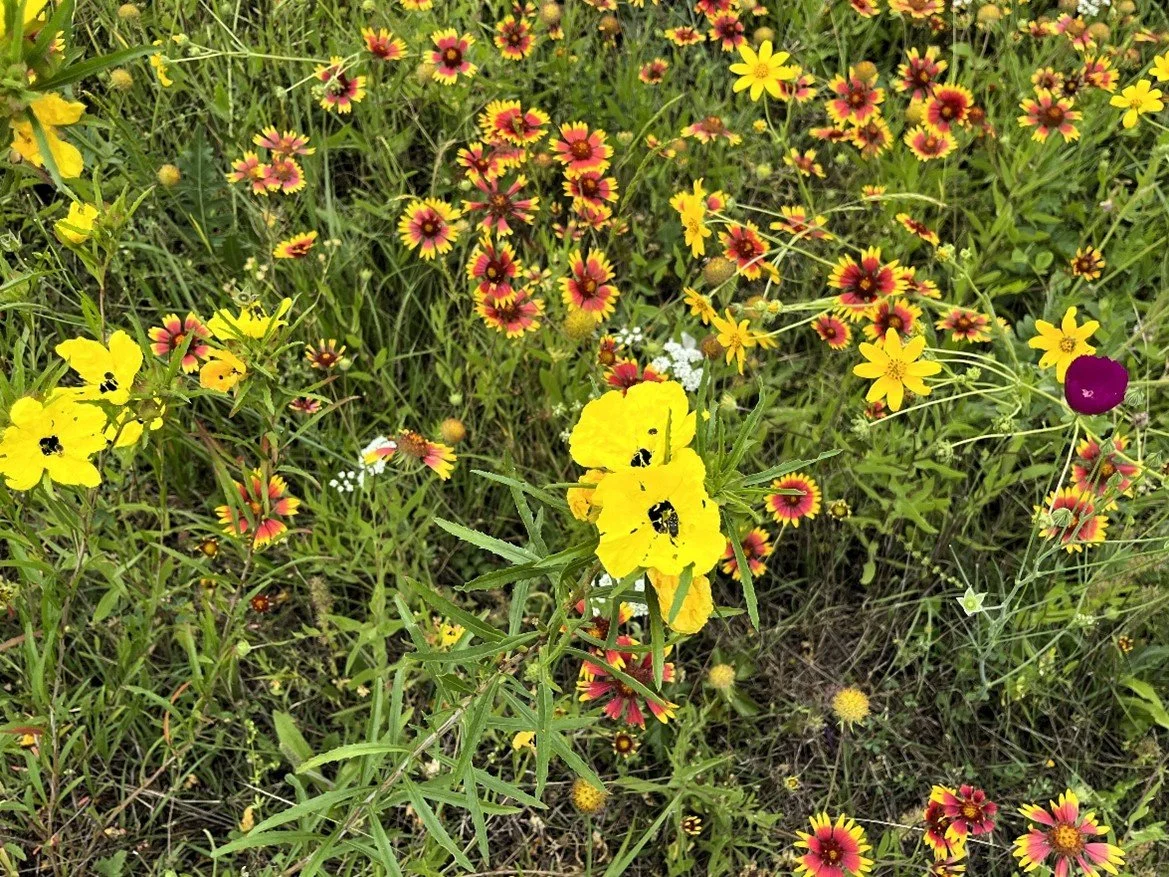
Central Texas Wildflowers Photo courtesy HCMN Sharon Moore, City Nature Challenge 2025
How You Can Contribute
Last year, Hays County participants contributed 3,852 observations across parks, neighborhoods, yards, and natural areas. Each entry helps fill in gaps, what species are present, where they’re found, and how those patterns may be changing over time.
This year, participation is just as simple:
Download the iNaturalist app
Take photos of wild plants, animals, or fungi
Upload your observations during the Challenge dates
You’re done!
Observations can be made anywhere—backyards, sidewalks, local parks, or along your usual walking route. No special equipment is needed, and there’s no expectation of travelling far.
The goal isn’t to find something rare. It’s to take a closer look at what’s already around you. Because often, the most interesting discoveries aren’t hidden, they are just overlooked.
iNaturalist Training
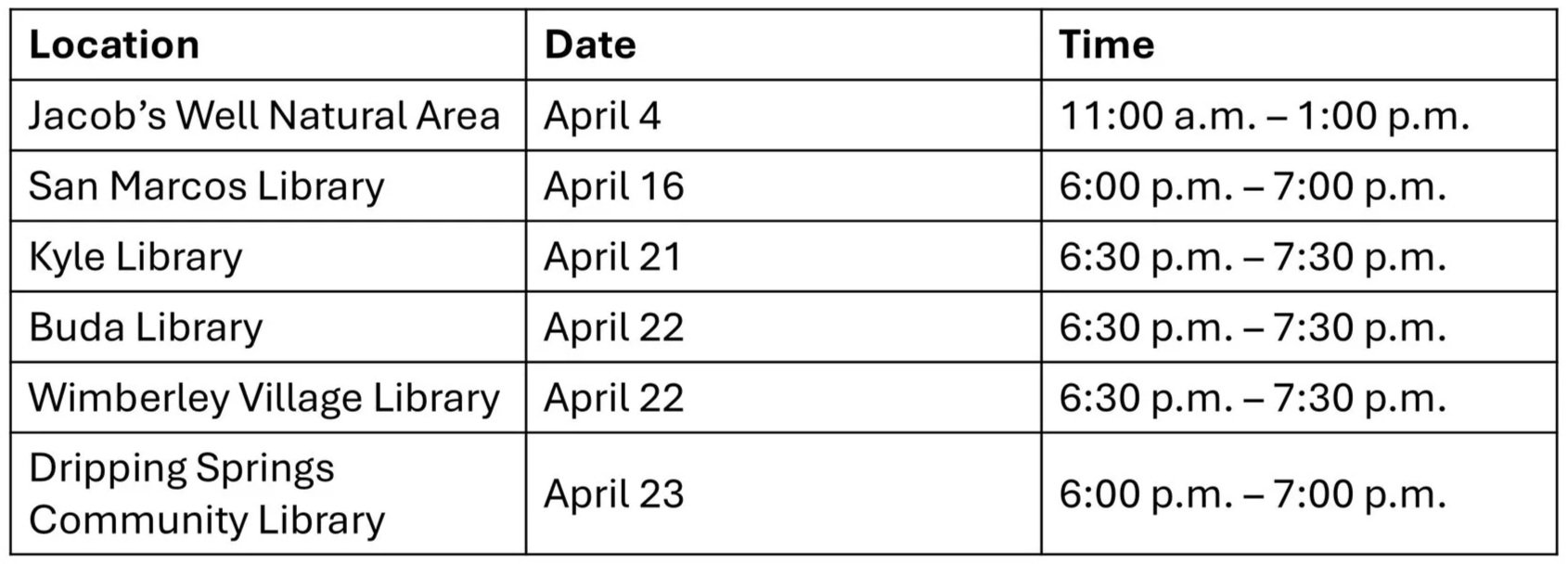
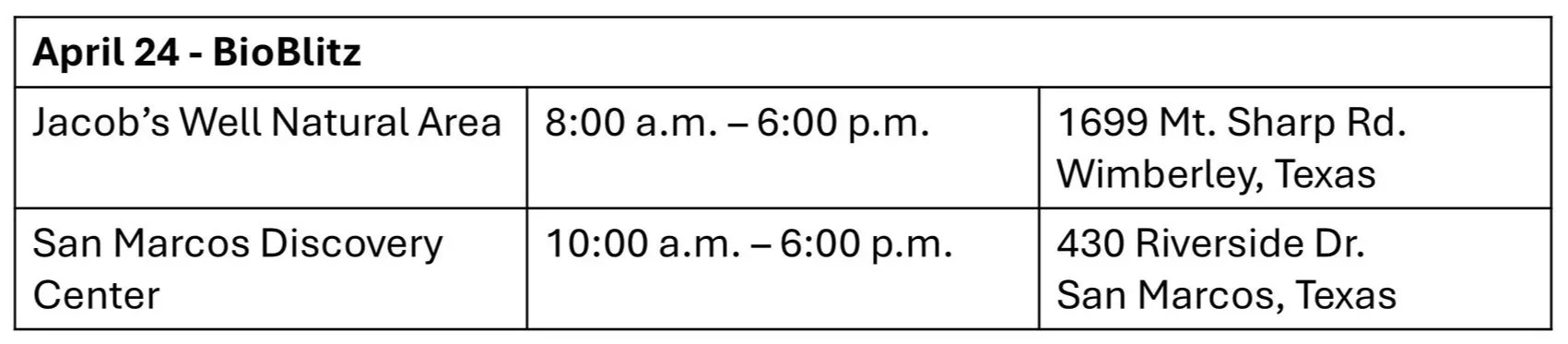
Participation Events
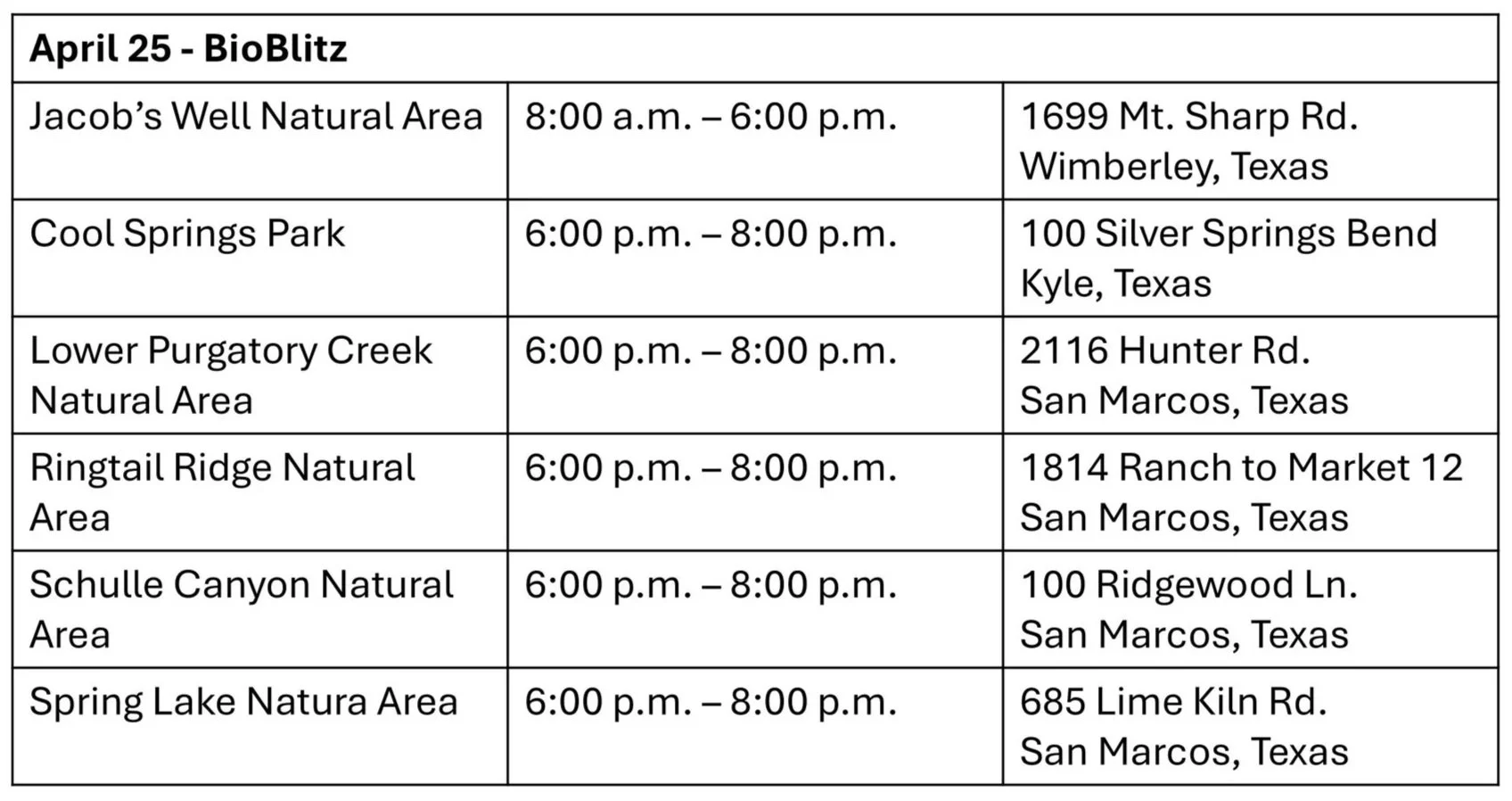
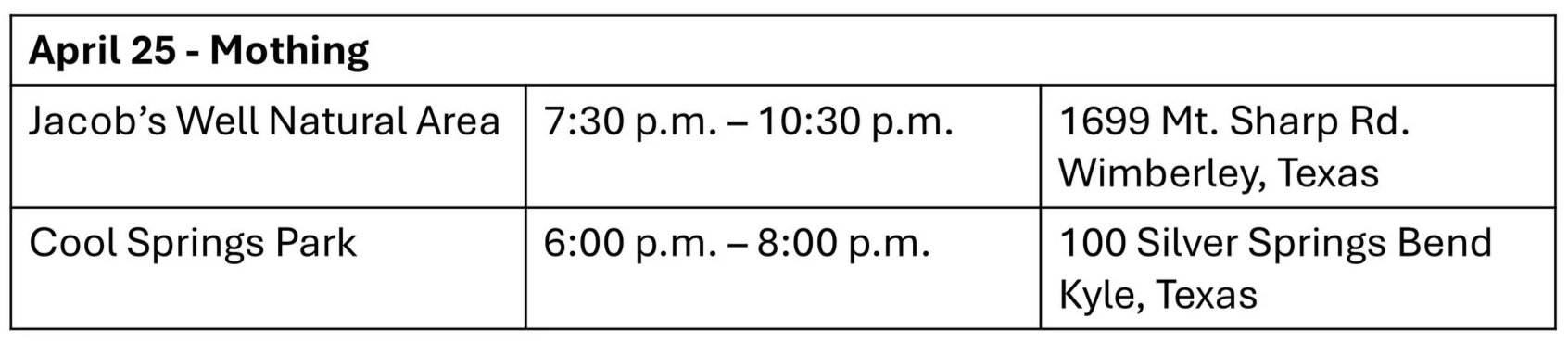
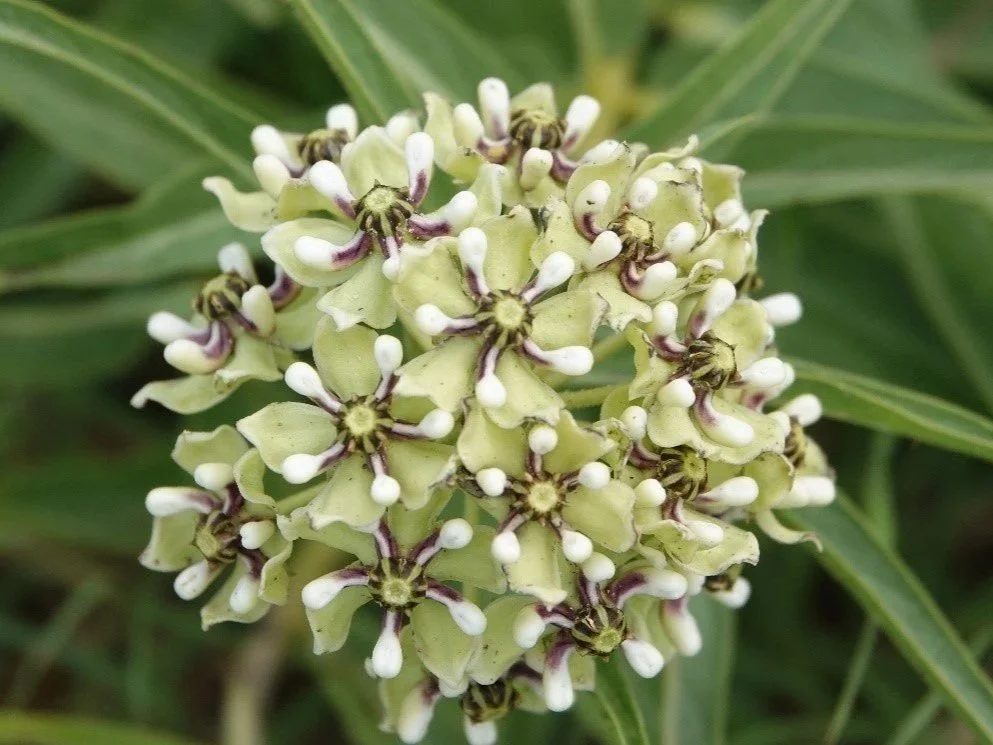
Antelopehorn Milkweed (Asclepias asperula) close-up of the flower. Photo courtesy HCMN Sharon Moore, City Nature Challenge 2025
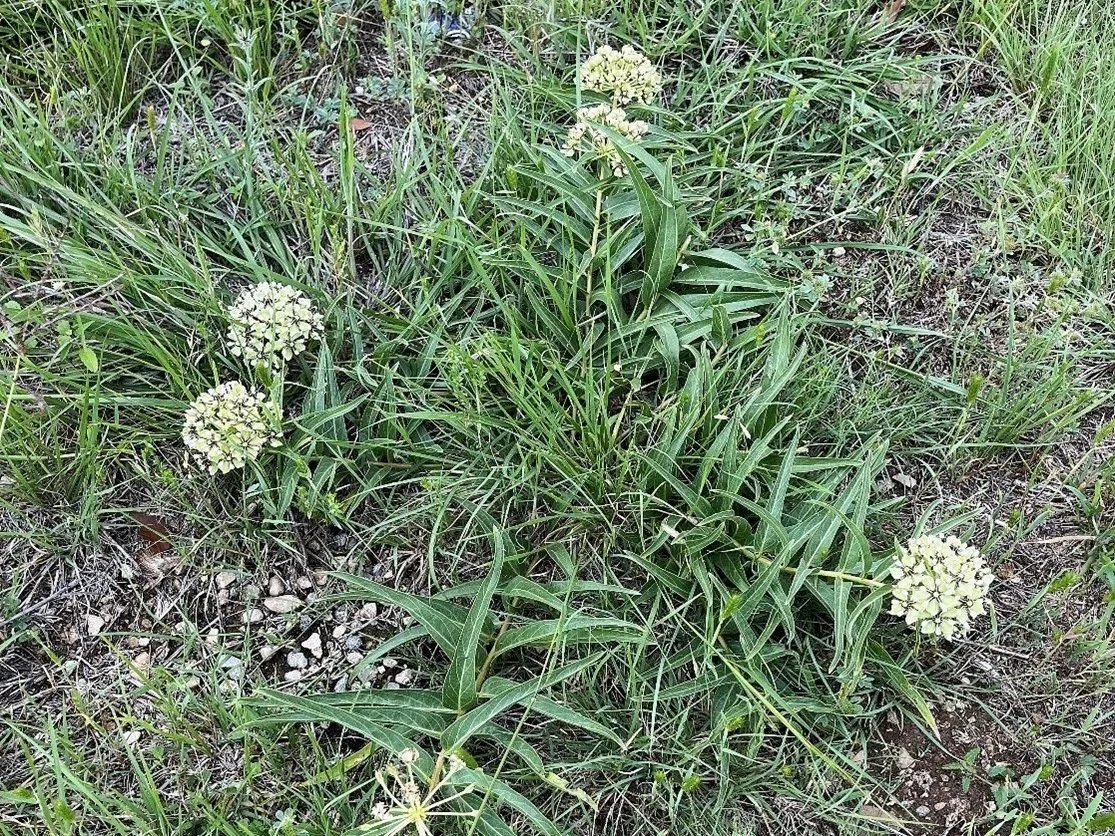
Antelopehorn Milkweed (Asclepias asperula) shot of the full plant. Photo courtesy HCMN Sharon Moore, City Nature Challenge 2025
For more information about the Hays County City Nature Challenge , contact HCMN Project Coordinator Carolyn Langlinais.
For tips on how to prepare for your participation in the City Nature Challenge and to read Sharon Moore’s goals for 2026, see her article 2025 City Nature Challenge BioBlitz—A Participant’s Perspective in the July 2025 Hays Humm.