Navigating Rocky Terrain
An Author’s Perspective
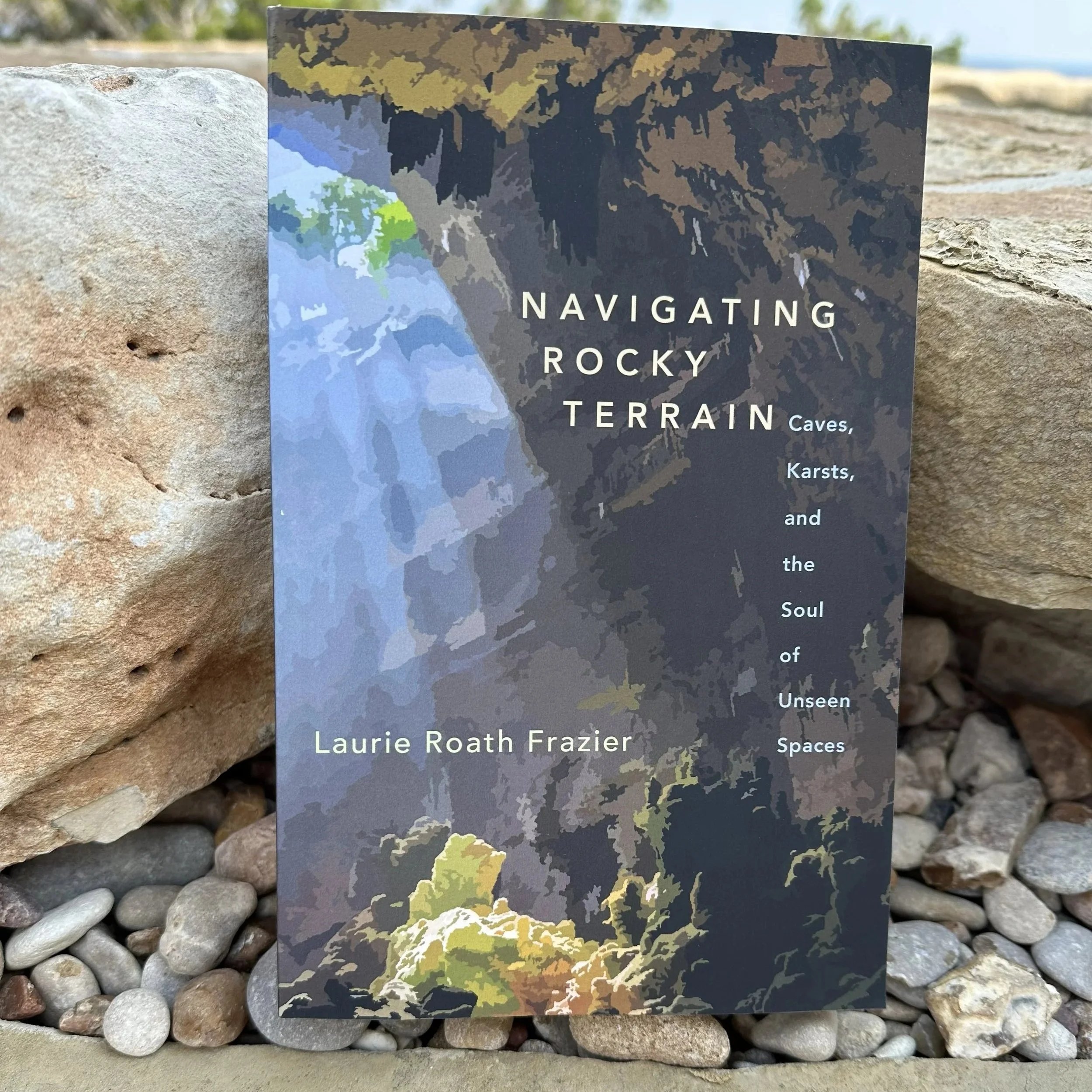
All photos courtesy Laurie Roath Frazier
“At first, I thought I was writing a science story, a story about karst ecology. As a writer and biologist, I am drawn to places that lie hidden…usually this leads me to small finds, like nests or cocoons, but this time was different.” —from Navigating Rocky Terrain
Laurie Roath Frazier
Places shape us. They shape our stories. When we write or read about nature, it is undeniable. We see it again and again in the stories of Rachel Carson, Terry Tempest Williams, Annie Dillard, Robert Macfarlane, Mary Oliver, Helen Macdonald, and Robin Wall Kimmerer. These writers are my mentors; their books, my inspiration. Navigating Rocky Terrain tells the story of my own special places.
When I was a little girl, my parents bought a summer cabin, a fixer-upper, along the Maine coast, and while they tackled their endless to-do list, I explored. I lifted seaweed, turned over barnacle-covered rocks, and waded into the bay. I watched crabs scurry, discovered slimy snail eggs clinging to ledges, and let lavender sea stars creep ever so slowly up my arm. After nature hikes with rangers at nearby Acadia National Park, I guided my own imaginary visitors along the foggy water’s edge and up into the pine and birch forest near our cabin. Even now, I feel comforted when surrounded by rock and water.
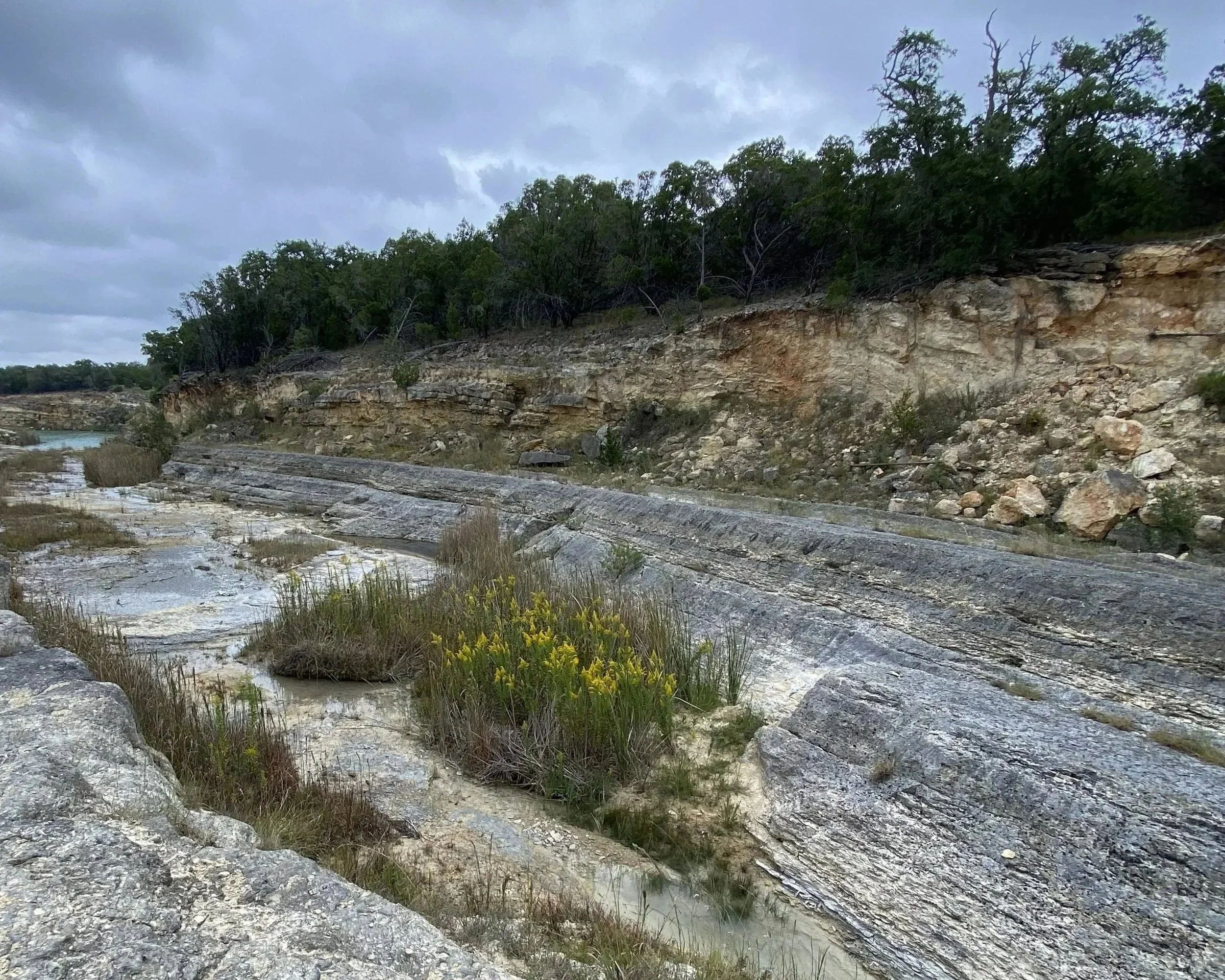
Canyon Lake Gorge
I started to write about nature in second grade. My teacher, Mrs. Taylor, encouraged me to bring my playground collections—a fuzzy caterpillar, a praying mantis, a beetle—inside, where she created a writing corner. She set up a terrarium and an aquarium with snails, guppies, and crayfish. I settled in; I observed; I researched; I wrote. Sometimes I even got up the courage to read my stories out-loud.
My family lived in Northern Virginia for most of the year, but I had a simple plan by the time I was in high school: move to Maine, study the biology of sea creatures, live there forever. For a while, I stuck to the plan. At Bates College, my ears perked up when a professor pointed out that science needs good writers. After earning a biology degree, I went on to graduate school to learn about ecological teaching and learning. It was my first experience with the interdisciplinary approach to ecology known as place-based education. As a teacher, and later as a mother, I would focus on helping others discover their own unique connection to nature.
In 2000, my husband and I moved to Houston, a place unlike anywhere I had ever lived. The first time I took my high school students outside to journal, I was greeted by fire ants. During a water quality lab, alligators lurked nearby, and we had to be aware of the resident cottonmouth. For a long time, I felt unsettled and out of place…until I found the Texas Master Naturalist™ program. My training with the Heartwood Chapter helped me get to know my new neighbors—plants and animals and passionate, nature-loving people like me. I also had the opportunity to work with our president, Teri MacArthur, and open the Spring Creek Greenway Nature Center. Finally I felt at home.
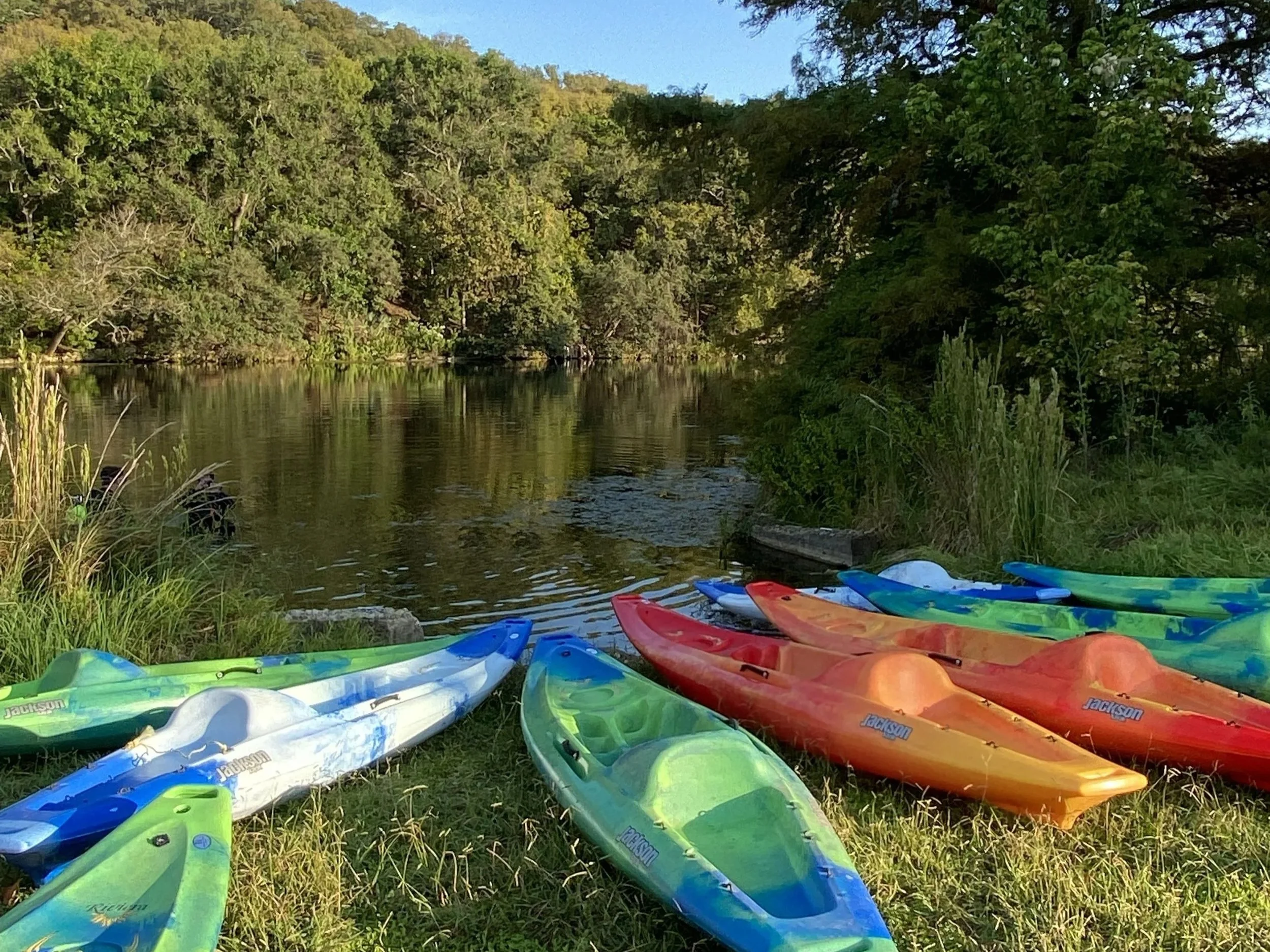
Spring Lake at the Meadows Center, San Marcos, Texas
The urge to write kept poking at me, though, and knowing that time wasn’t slowing down, I returned to school to pursue a science writing degree from Johns Hopkins University. I was drawn to creative nonfiction and the exploratory nature of the personal essay. My husband, my three sons, and I had also recently moved to New Braunfels. A bright green sign across the street from our new neighborhood welcomed us to the Edwards Aquifer recharge zone. Although I had no idea what that meant, I knew I needed to find out.
For one of my first class assignments, I headed to Canyon Lake Gorge. There I joined a guided hike led by two Master Naturalists, who encouraged me to transfer my membership to the Lindheimer Chapter, which I did. In the gorge, white mistflower, growing in cracks and crevices, and frogs’ eggs, deposited in limestone depressions, caught my attention. How did life adapt to such challenging conditions?
In each new class thereafter, I continued writing about karst landscapes, the stories unfolding in real time. The mysterious ecology of aquifers, sinkholes, disappearing rivers, and other hidden subterranean habitats held me in place.
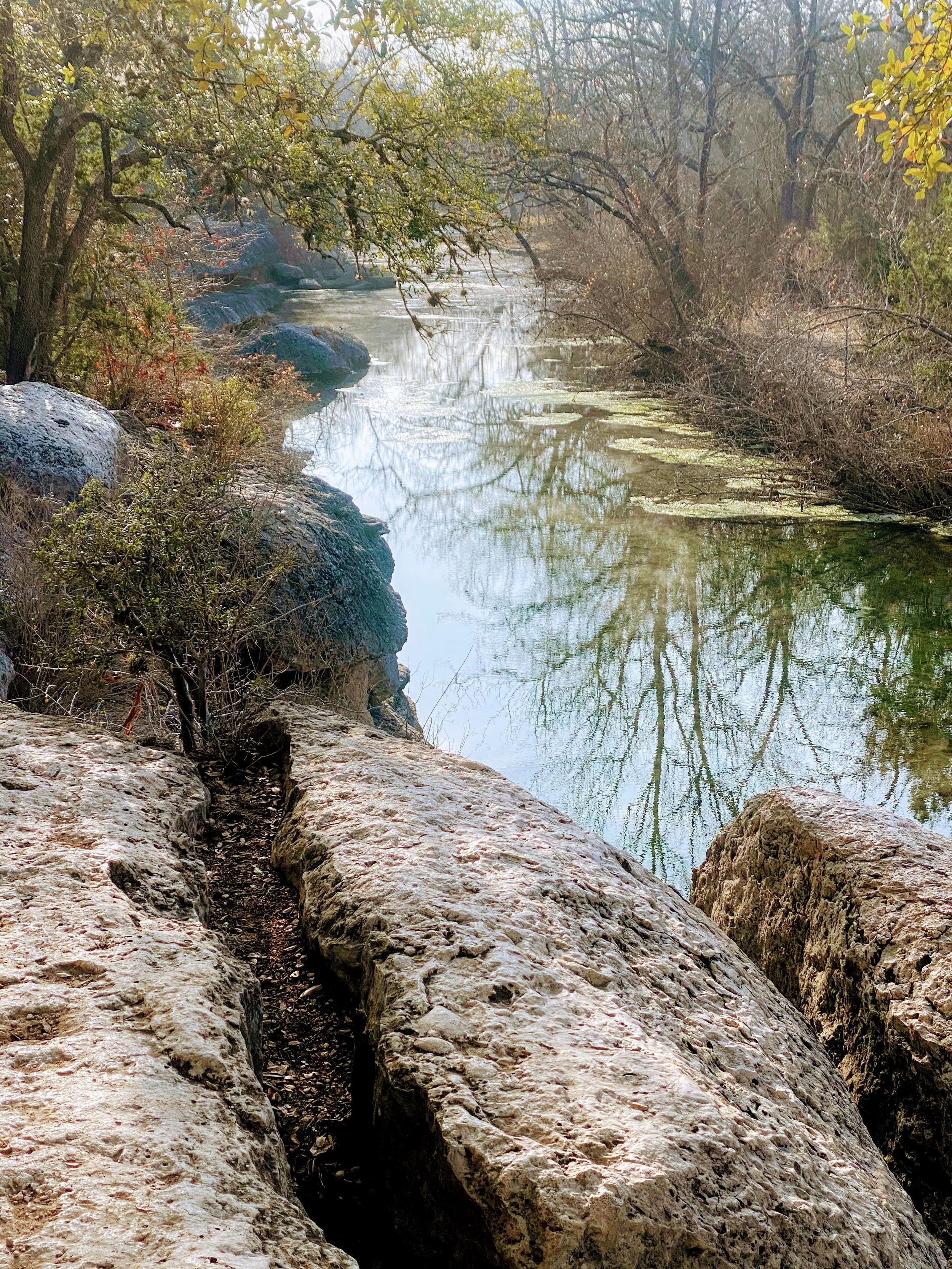
Jacob’s Well, Wimberley, Texas
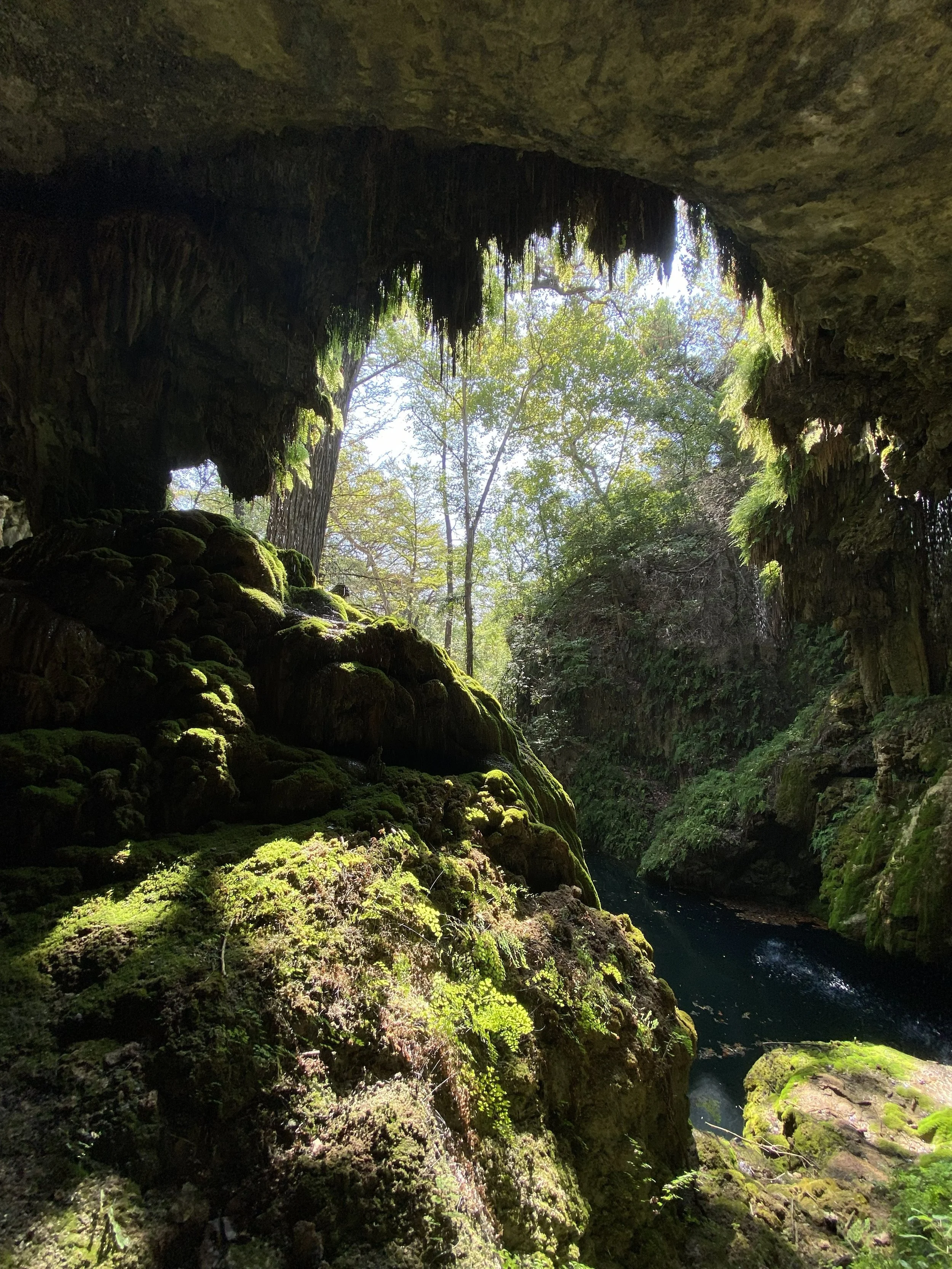
Westcave Preserve Grotto
At one point, I suspected there might be a cave near our home, so I traveled to places like Jacob’s Well, Honey Creek Cave, Westcave, Cave Without A Name, and Bracken Cave to learn more about karst formations. During that time, I also experienced the loss of both of my parents. Things, big things, had started to shift, and soon the cracked and disturbed terrain became my healing place. I sought out stories of resilience and found hope in ecological restoration projects. I combined elements of the reported essay, weaving together my own stories with those of Master Naturalists, artists, and scientists that I met along the way. Those experimental essays became the first five essays in my book.
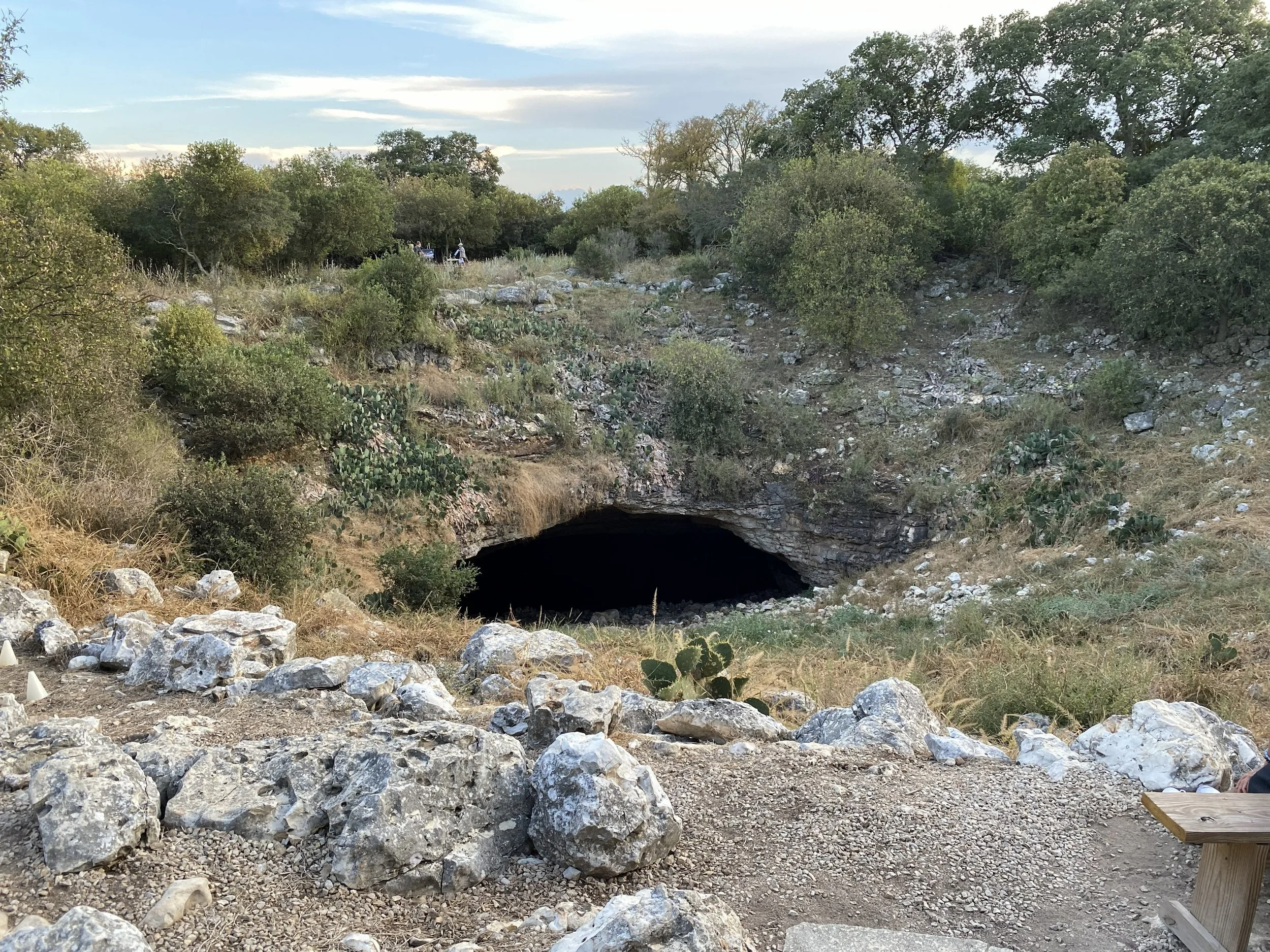
Bracken Cave
After my family’s most recent move to Blanco, I joined the Hays County Chapter of Texas Master Naturalist™, and I am currently working on my next book. In it, I explore different ways to deepen our relationship with the natural world as an intentional, everyday practice.
This time my journey begins in a bog, an unusual place where carnivorous plants and sphagnum moss grow. I am searching for lost and forgotten things in unlikely places: watery edges and transitional spaces along the Maine coast and in Texas.
As a nature writer and Master Naturalist, my goal is not only to educate about our local ecology, but to inspire others to find their special places, to follow their curiosity, wherever it may lead. Hopefully it will be someplace wild.
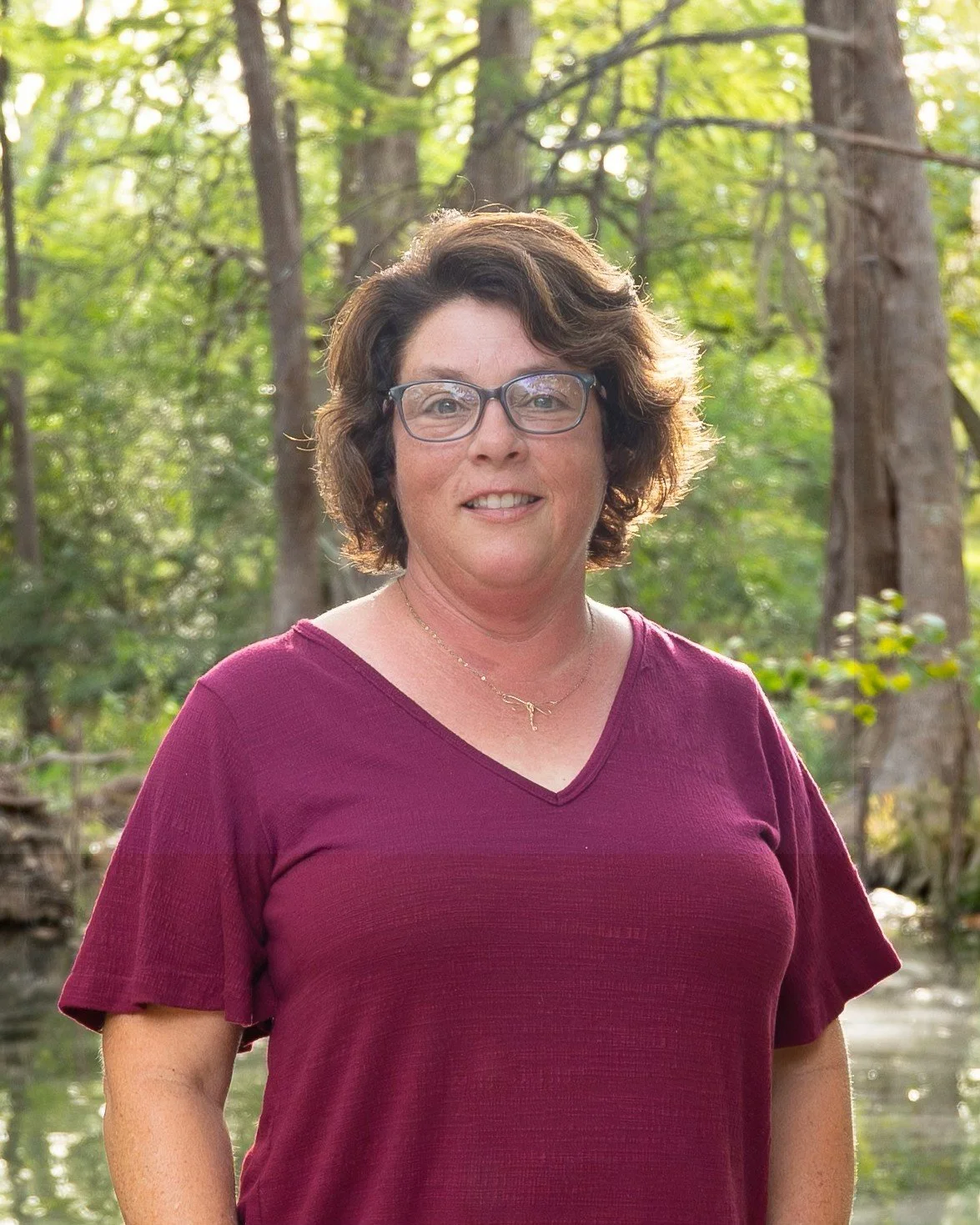
Laurie Roath Frazier at Blue Hole in Wimberley, Texas
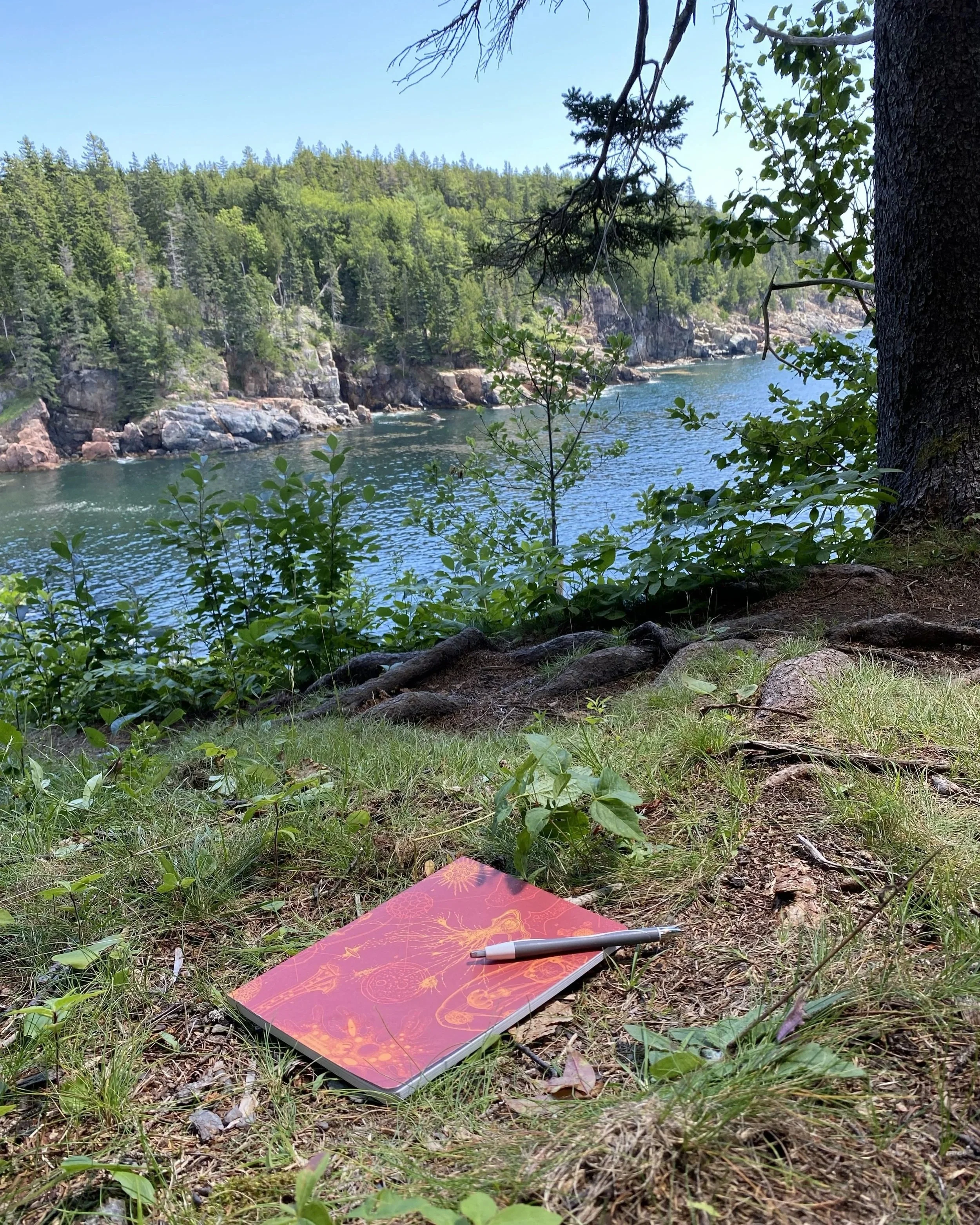
Mt. Desert Island, Maine
Laurie Roath Frazier’s next event will take place on April 10, 2026 at 11:00 a.m. at the Blanco Library in Blanco, Texas. Follow Laurie on Instagram or visit her website at Laurieroath-frazier.com