Planting It Forward
A Return to Nature
Alexis Britton and Leah Fenley Adrian
Spring has arrived in Central Texas, bringing fresh green growth, bright wildflowers, and plenty of inspiration around every corner. It’s a season that makes nature feel easy to enjoy, though starting your own garden can still feel like a big step.
The good news? It doesn’t take much to get started. With a bit of space and a few deliberate choices, anyone can grow something meaningful (and ecologically important) at home.
If you’re ready to give it a try, stop by the San Marcos Discovery Center on April 4 to find a few new plants for your own corner of Texas. Details are below.
What grows here, knows here.
One of the simplest ways to set your garden up for success is to start with native plants. These species have spent generations adapting to the soils, weather, and rhythms of this region, making them a natural fit for Central Texas landscapes.
You’ll find more native options at garden centers and nurseries than ever before. In the past, many focused on non-native plants, some of which have since spread beyond gardens and become invasive. Choosing natives helps support a healthier, more balanced landscape right from the start.
Native species – species that belong in an area; these species were here before humans.
Invasive species – human-introduced species that can spread aggressively and can cause native species populations to rapidly deteriorate.
Non-native species – these species are often human-introduced, but they do not outcompete native species. They often live without any obvious impacts where they are introduced.
Texas has a wide variety of native plants (estimated to be between 5,000 and 6,000), with almost 400 species that are endemic to Texas. Endemic species are plants or animal species that live in only one area with specific preferences. Many of these endemic species are concentrated in the Texas Hill Country (75 species). Texas wild rice (Zizania texana) is an endemic species found exclusively in the San Marcos River and is listed as a federally and state endangered plant.
With such a variety of native options, why not incorporate these low-maintenance options in your garden?
Benefits of Native Plants
Texas has an incredible amount of biodiversity, with 10 distinct ecological regions across the state. Each region brings its own mix of soil, weather patterns, and temperatures. On top of that, Texas spans nine different USDA planting zones, from cooler mountainous areas to arid deserts. Native plants are well suited to this variety. Many are drought tolerant, can handle cold (or go dormant in winter), and provide important support for pollinators, birds, and other wildlife—especially migratory species.
Native plants also offer real advantages during extended drought. Unfortunately, Texas has been in drought conditions for the past five years, with no clear relief in sight. Because these plants evolved in our often-unpredictable climate, they tend to be more resilient in the face of extreme weather. Cacti are a familiar example. Across the world, they have developed similar features to survive in dry environments: spines for protection, thick outer layers to retain water, and shallow, wide root systems that quickly absorb moisture when it becomes available. These adaptations allow them to make the most of limited and unpredictable rainfall.
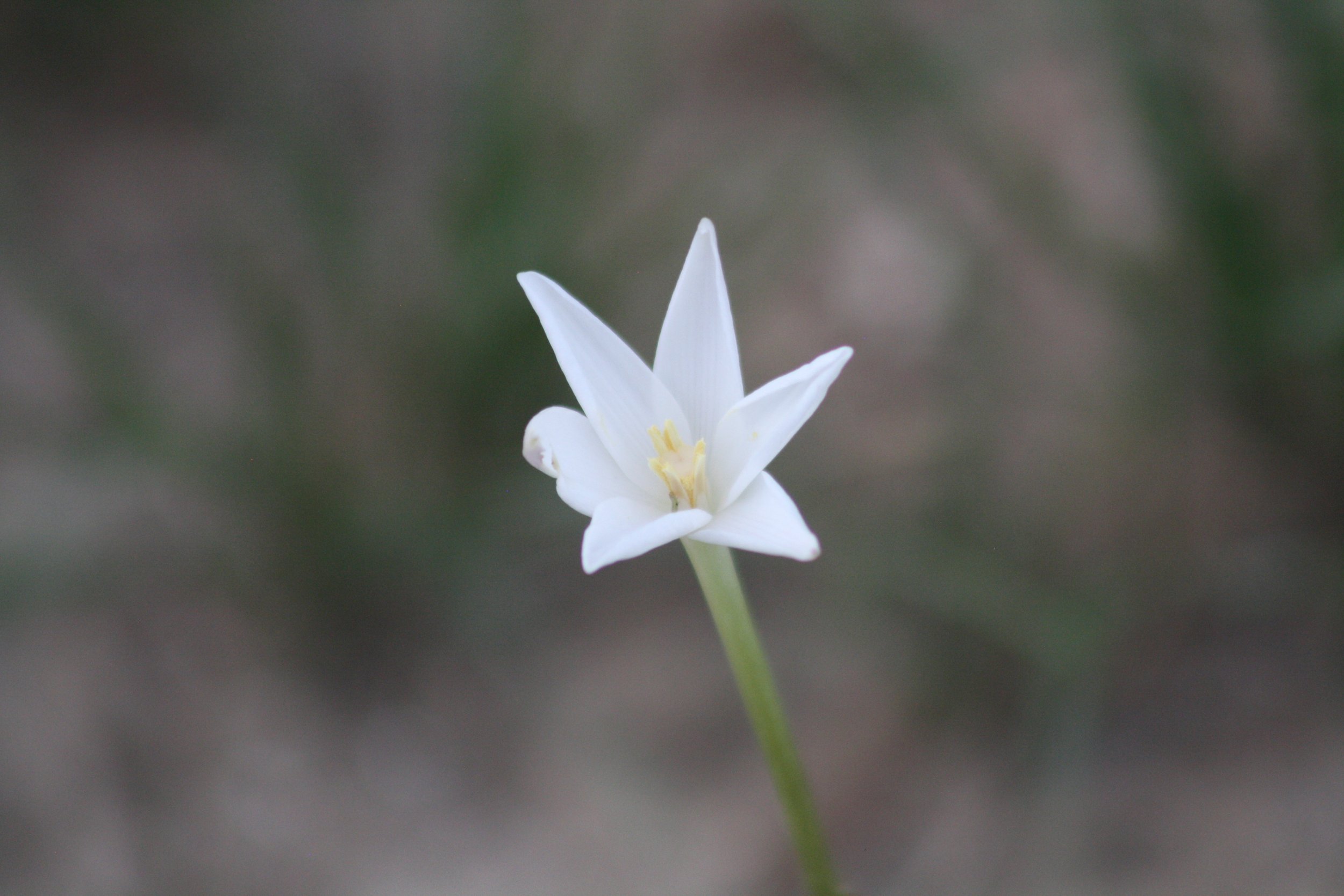
Rain Lily
Another great example of adaptation is the evening rain lily (Cooperia drummondii). These plants remain dormant until rainfall triggers them to emerge, often appearing all at once, transforming the landscape with delicate white blooms on tall stems. Their life cycle is closely tied to rain, allowing them to thrive in both natural landscapes and developed areas.
Photo courtesy Alexis Britton
Be Brave, Shop Local
Choosing native plants is a great first step, but where you buy them matters, too. Local nurseries and garden centers understand the nuances of Central Texas growing conditions, from our soils and sun exposure to the challenges of heat and drought. They can help you select plants that match your specific yard, whether that’s full sun, heavy clay, rocky slopes, or a bit of everything.
That local knowledge goes a long way in setting your garden up for success, giving your plants the best possible chance to take root and thrive.
Buying local also supports the community. Many of these nurseries are small businesses rooted right here in Central Texas. Others, like the Spring Native Plant Sale and Sustainability Fair, help fund education efforts and nonprofit work. When you shop locally, you’re not just planting a garden, you’re investing in the people and programs that help our landscapes, and our communities, flourish.
If you’re looking for a place to get started or to add something new to your garden, this upcoming plant sale is a great opportunity.
Spring Native Plant Sale and Sustainability Fair
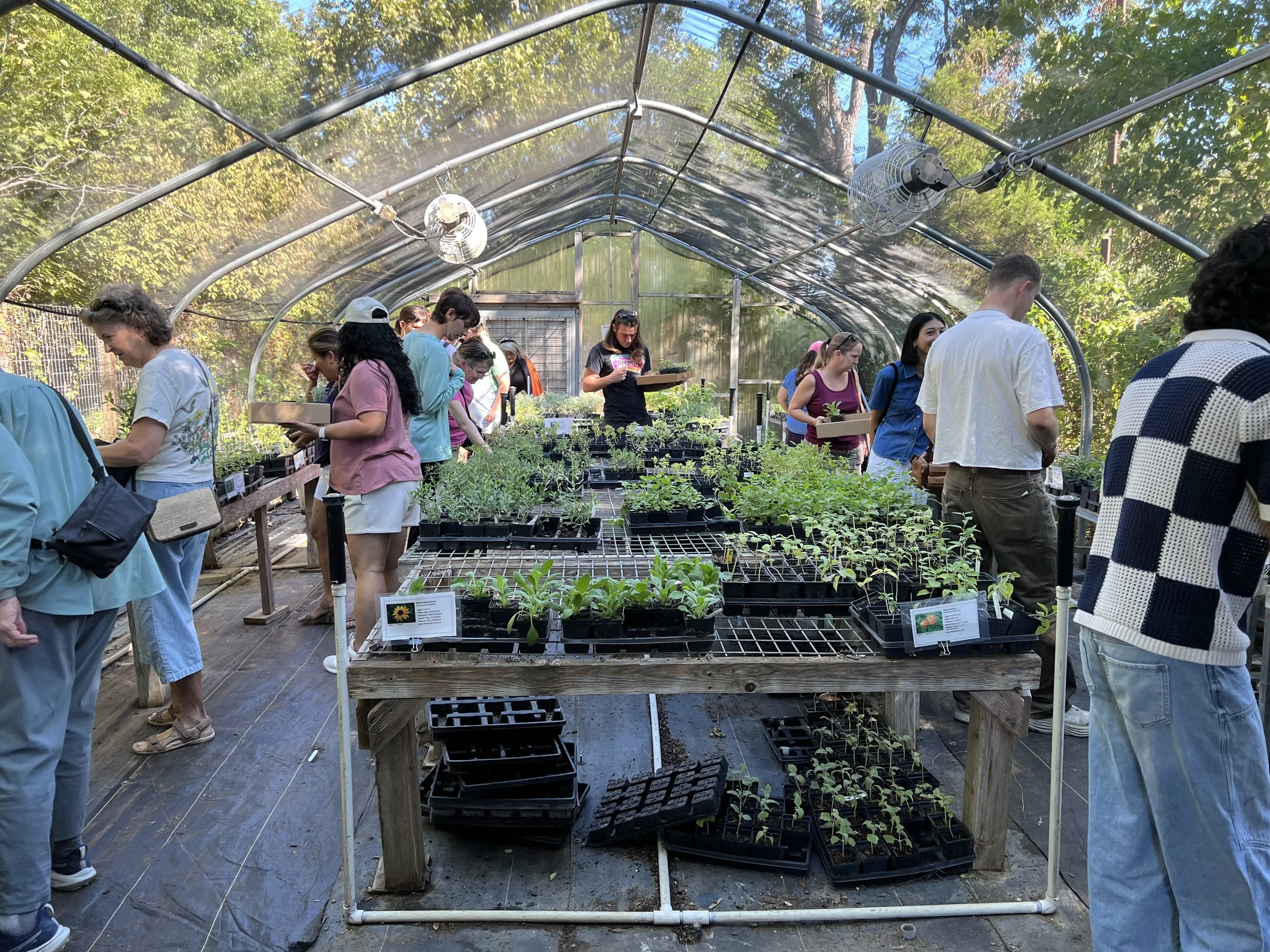
The San Marcos Discovery Center will be hosting a native plant sale and sustainability fair on April 4, 2026. A wide variety of native plants, including flowering plants, shrubs, and trees will be available.
Some favorite native trees will include:
Texas mountain laurel (Dermatophyllum secundiflorum)
Anacacho orchid tree (Bauhinia lunarioides)
Texas redbud (Cercis canadensis var. texensis)
Retama (Parkinsonia aculeata).
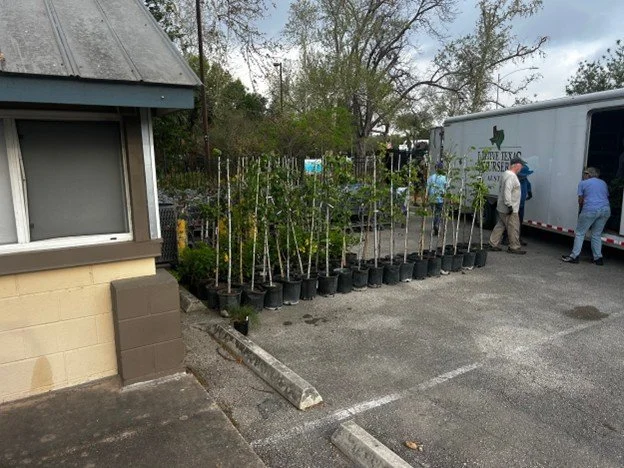
Photo courtesy Alexis Britton
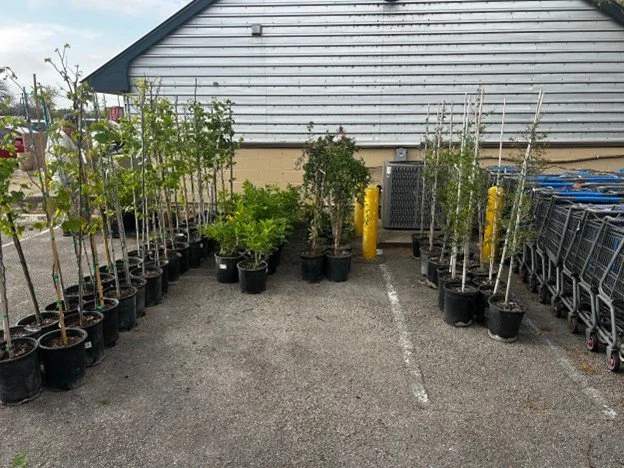
Photo courtesy Alexis Britton
In addition to trees, there will also be ornamental plants, such as Mexican oregano (Lippia graveolens) and red yucca (Hesperaloe parviflora), along with dozens of other native favorites.
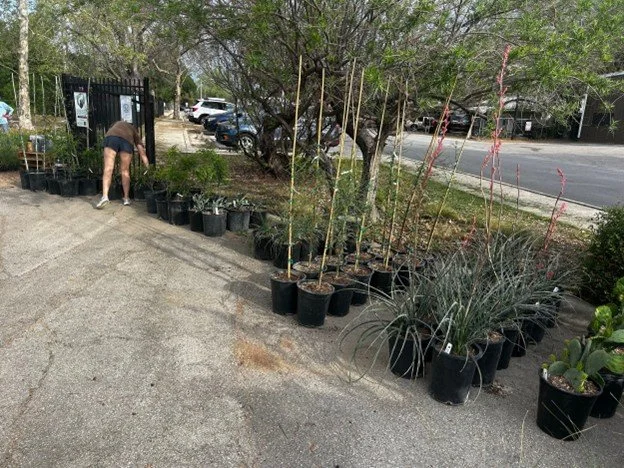
Photo courtesy Alexis Britton
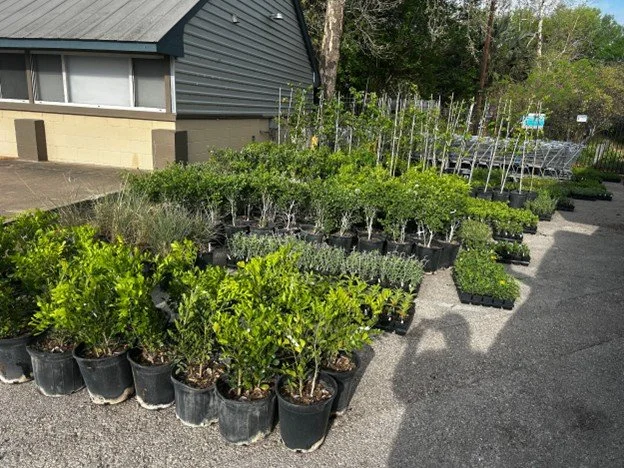
Photo courtesy Alexis Britton
Volunteers will be on hand to help carry purchased plants to your vehicle. Since you may be spending an extended time outdoors in Texas weather, it’s a good idea to bring a reusable water bottle, sunscreen, and a hat. Additionally, a small bag may be helpful for carrying your items.
The San Marcos Discovery Center is committed to public education and outreach, offering opportunities for the community to learn about and engage with the local ecosystem. The Sustainability Fair is an opportunity to support this goal. Sustainability means maintaining balance in the natural environment while conserving resources for future generations. The fair will feature a variety of educational exhibits and children’s activities focused on environmental stewardship and sustainability.