
Planting It Forward
A Return to Nature
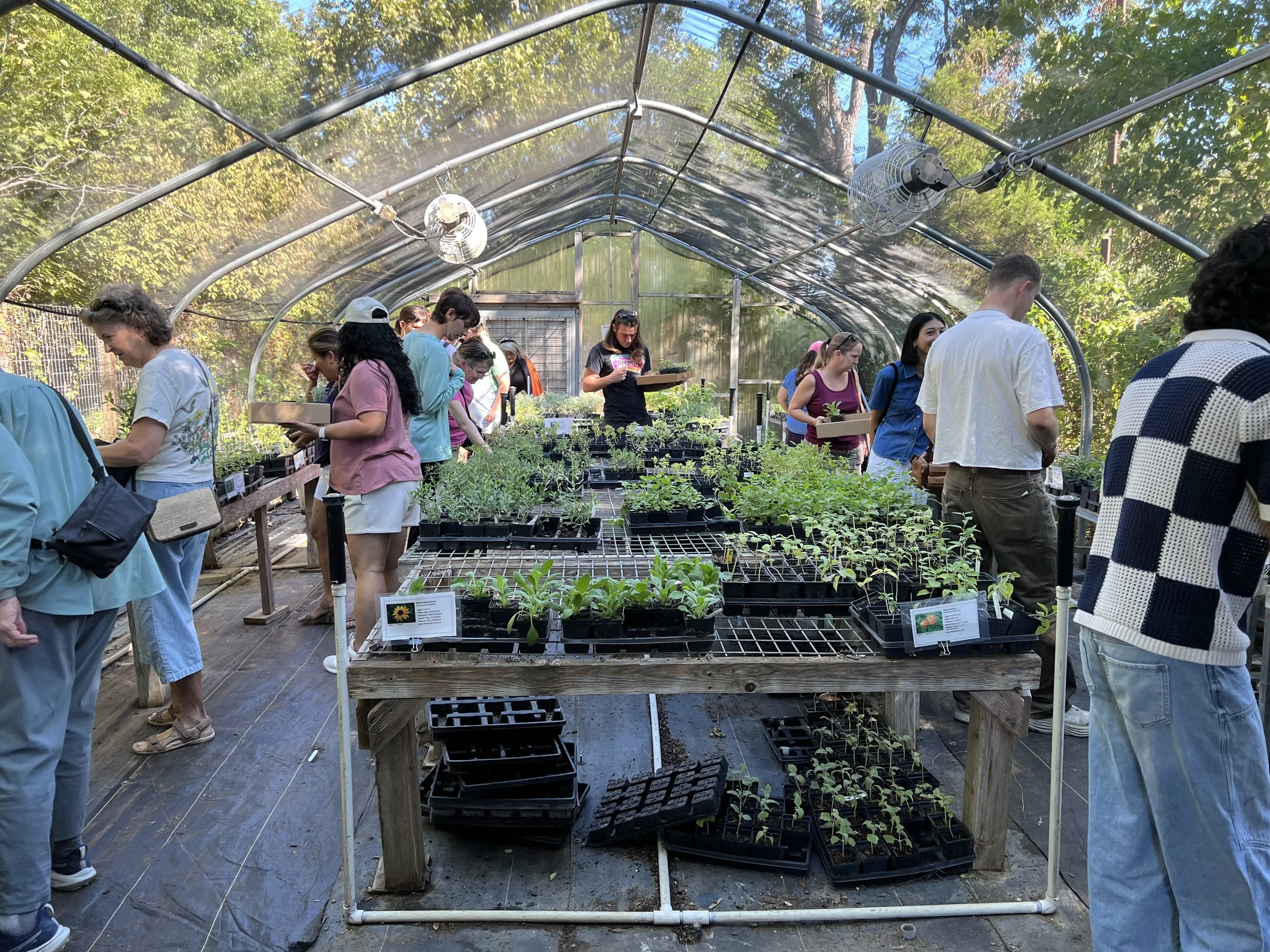
Alexis Britton
Nature doesn’t have to be hard to see or difficult to appreciate. If you have the space and a little bit of a green thumb, you can appreciate both native and cultivated plants.
Texas has a wide variety of native plants (estimated to be between 5,000 and 6,000), with almost 400 species that are endemic to Texas. Endemic species are plants or animal species that live in only one area with specific preferences. Many of these endemic species are concentrated in the Texas Hill Country (75 species). One such endemic species that is also federally and state endangered is Texas wild rice (Zizania texana), found exclusively in the San Marcos River.
{Insert Pic of Texas Wild Rice}
There are three general categories of species every naturalist should know:
Native species – species that belong in an area; these species were here before humans.
Invasive species – human-introduced species that can spread aggressively and can cause native species populations to rapidly deteriorate.
Non-native species – these species are often human-introduced, but they do not outcompete native species. They often live without any obvious impacts where they are introduced.
For the purpose of this article, these descriptions are overly simplified and may not always be applicable.
{Insert Pic of Native, Non-Native, and Invasive Species}
Benefits of Native Plants
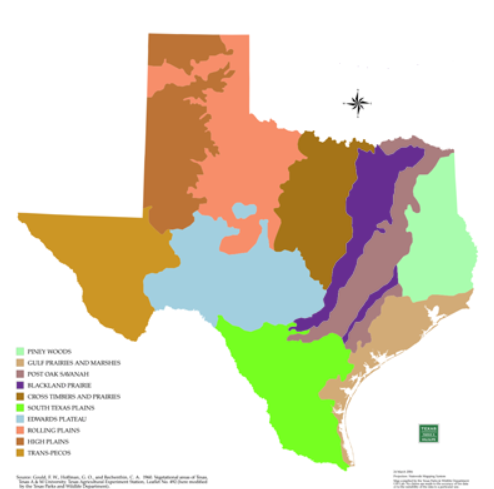
Texas has an outstanding amount of biodiversity, with 10 distinct ecological regions within the state. With each region comes a different type of soil, weather, and temperature. Texas also has nine different USDA planting zones, ranging from colder mountainous regions to arid deserts. Native plants often handle this wide variety of temperature, weather, and soil with ease. Many Texas native plants are drought tolerant, cold tolerant (or go dormant in the winter), and benefit other species, such as pollinators and birds, especially migratory species.
Native plant species bring a multitude of benefits, especially when it comes to handling extended drought conditions. Texas has been in a drought for the last five years, with no clear upcoming relief. Texas plants have evolved to our ever-changing environment, and with that comes an increased tolerance to drought and extreme weather. One fantastic example is the evening rain lily (Cooperia drummondii). These plants are often dormant until rain comes. Then, they burst from the ground by the dozens, showcasing a small white flower on a long stem. These plants have adapted a life cycle that relies solely on the rainy season. Rain lilies are often seen throughout both human-populated areas as well as natural areas, making them a unique native plant that can handle both human and animal interactions.
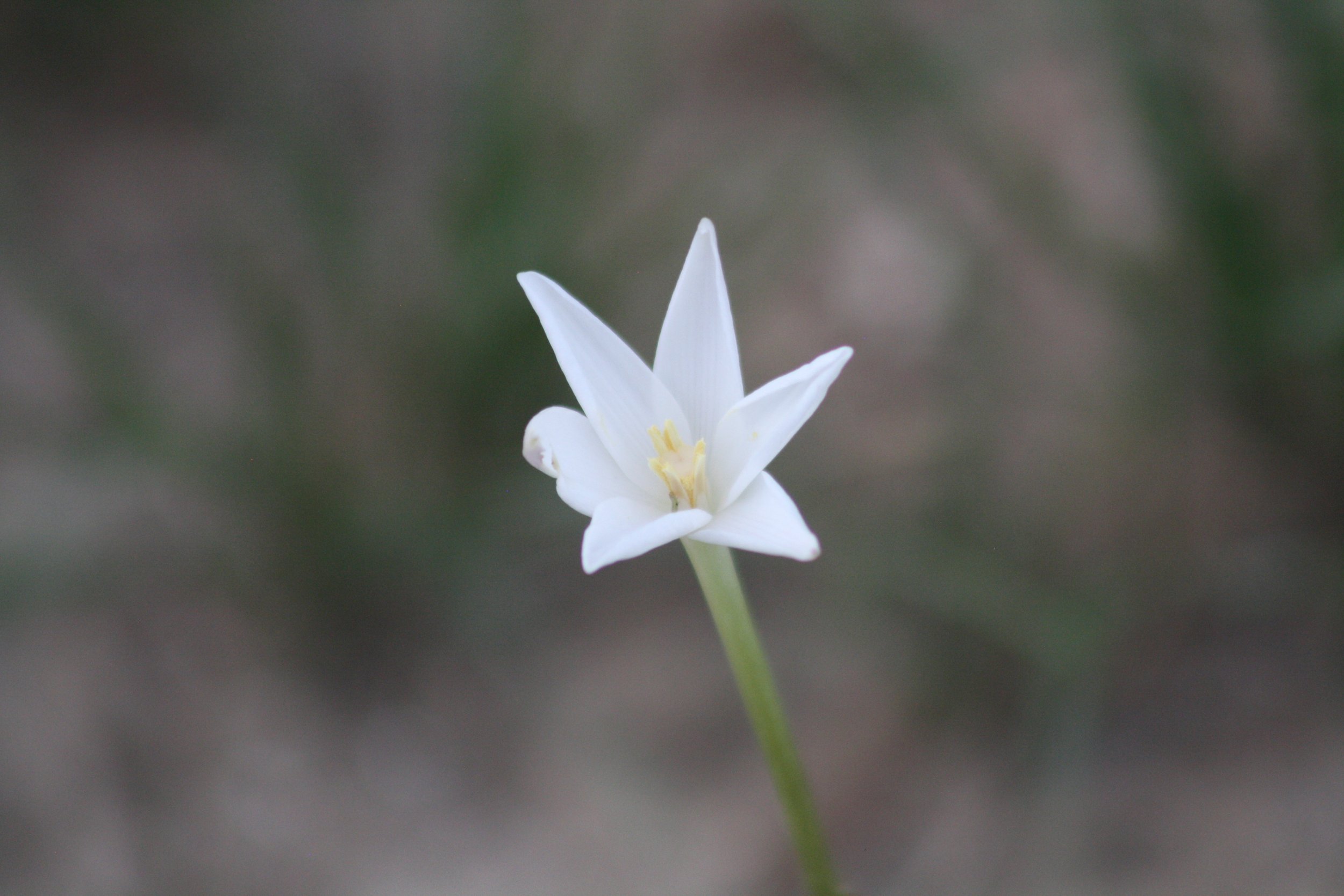
Rain Lily
Plants can adapt to harsh conditions (drought and extreme heat or cold) through a variety of adaptations. A physical adaptation can be seen in the variety of cacti throughout the world. They have all developed similar changes due to their environments: spines to protect from being consumed, thicker “skin” to conserve water, and root systems that are wide but close to the surface. Their roots are designed in such a way that the plants are able to absorb as much water as possible in a short time frame.
{Insert Pic of Prickly Pear Adaptations}
Spring Native Plant Sale and Sustainability Fair
The San Marcos Discovery Center will be hosting a native plant sale and sustainability fair on April 4, 2026. A wide variety of native plants, including flowering plants, shrubs, and trees will be available.
Some of the crowd-favorite native trees will include:
Texas mountain laurel (Dermatophyllum secundiflorum)
Anacacho orchid tree (Bauhinia lunarioides)
Texas redbud (Cercis canadensis var. texensis)
Retama (Parkinsonia aculeata).
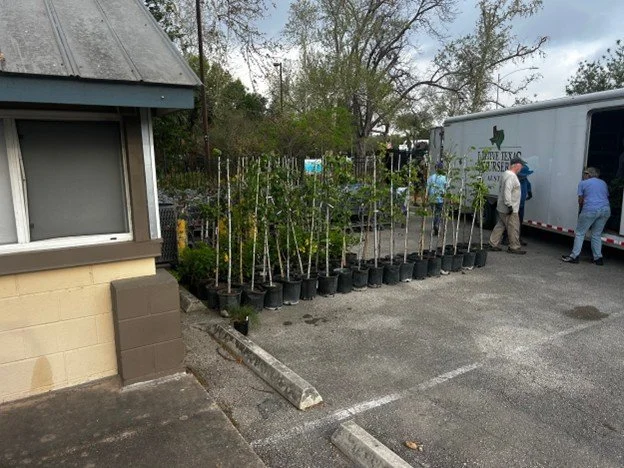
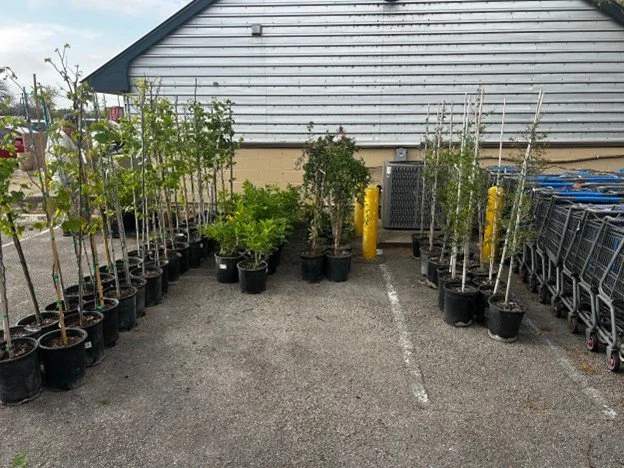
In addition to trees, there will also be ornamental plants, such as Mexican oregano (Lippia graveolens) and red yucca (Hesperaloe parviflora), along with other varieties.
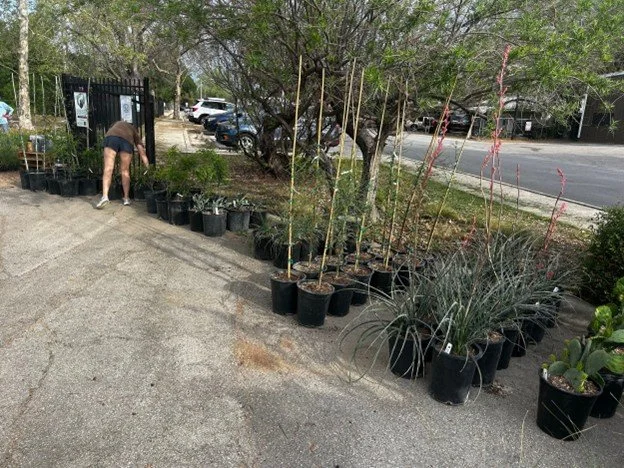
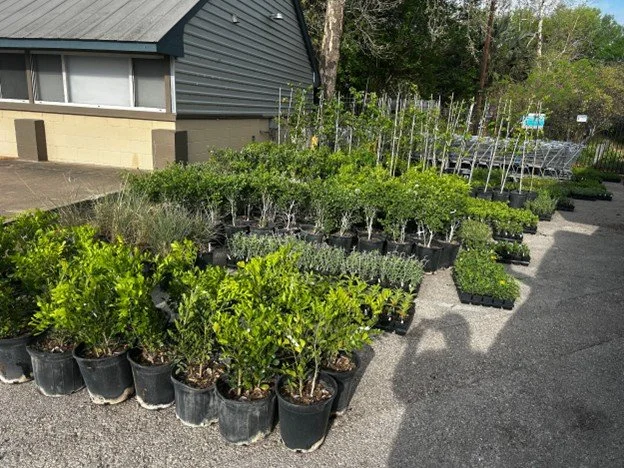
Volunteers will be available to help you carry purchased plants to your vehicle. It is recommended that you bring items you may need for an extended period of time outside in the Texas weather, such as a reusable water bottle, sunscreen, and a hat.
The Sustainability Fair offers a range of educational exhibits and activities focused on environmental stewardship.
Sustainability can be defined as maintaining balance in the natural environment while conserving natural resources for future generations. The San Marcos Discovery Center prides itself on public education and outreach by providing as many opportunities as possible for the public to learn and get involved in the local community and ecosystem. There will be many different tables (both educational and children’s activities) focused on sustainability and environmental initiatives.
It is recommended that you bring items you may need for an extended period of time outside in the Texas weather, such as a reusable water bottle, sunscreen, and a hat. Additionally, a small bag may be helpful for carrying your items.