Adding Color to the Classroom
A Guide for Curious Kids
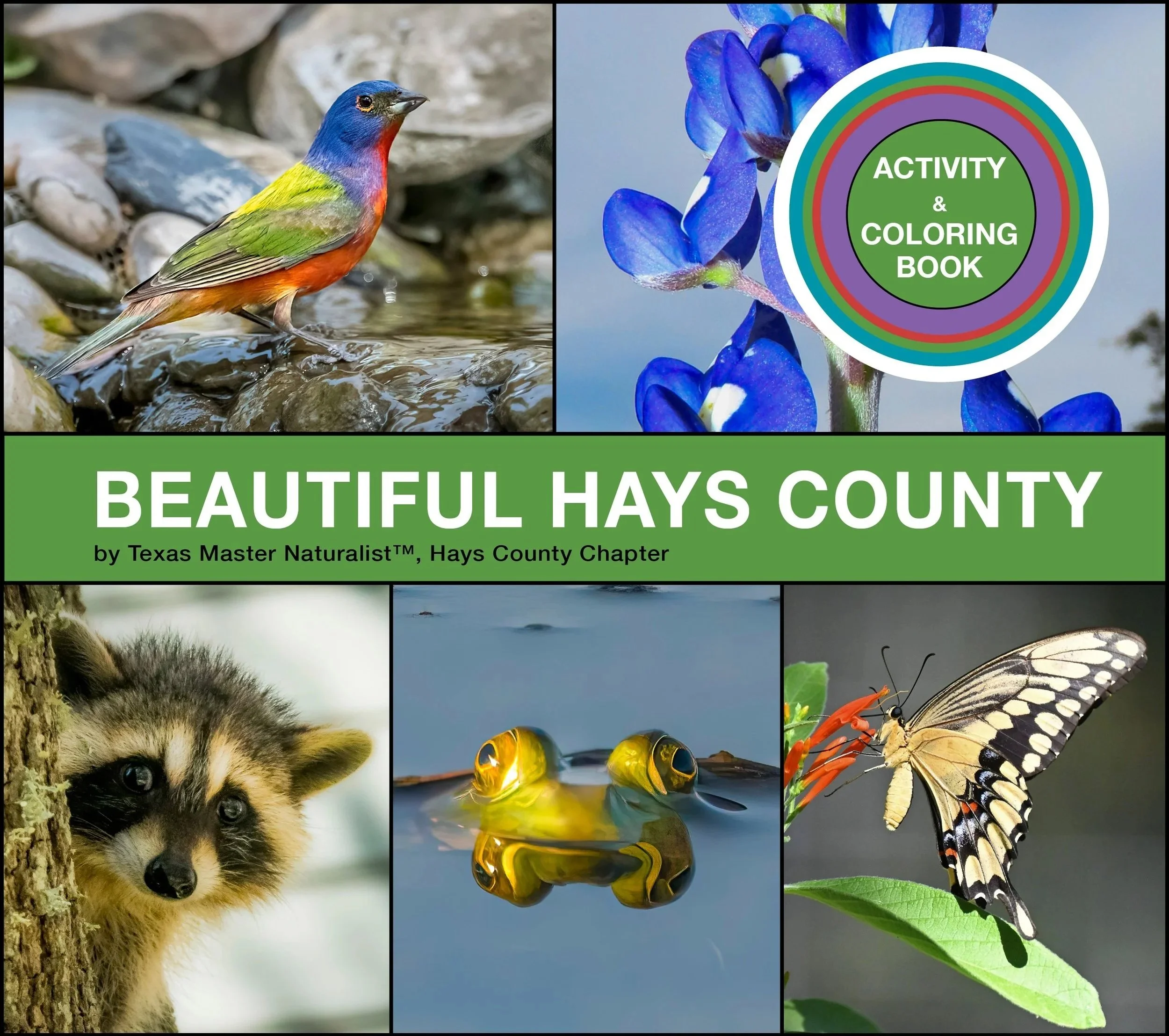
From classrooms to staycations, three years later our chapter’s activity and coloring book continues to inspire kids to explore parks, springs, and trails.
Samantha Youngblood
When “Beautiful Hays County Activity and Coloring Book” first came into print three years ago, it was a small, scrappy project powered by a handful of Hays County Master Naturalists, a Firefly Grant, and passion. The team printed 1,000 books and hoped they’d find their way into the hands of curious kids. Since then, the activity and coloring book has turned into a countywide teaching tool.
“We’ve learned as much as the kids have,” said Paula Glover, project lead and HCMN. “That’s why three years in I’m still working on it. There’s so much wonder to discover with this book.”
The book has become a shared resource across the county, passed from volunteers to teachers, from PTAs to parents, from librarians to homeschoolers. Grants have kept the momentum going:
The Meadows Center now purchases 600 books each November for San Marcos schools.
The Wimberley Civic Club funds another 400 for local third graders.
The Dripping Springs Elementary PTA board underwrote 120 copies for every fourth grader on campus this spring.
And a Spanish edition arrives later this summer, widening the distribution even further.
Why Teachers and Parents Are Saying Yes
One of the reasons the book has found footing in schools is simple: it works for teachers. From the beginning, the team designed the content around third‑grade learning standards. Each year, Jill Zipperer, education consultant and HCMN, revisits the material to ensure it aligns with TEKS, or Texas Essential Knowledge and Skills, for grades three through five. Teachers don’t have to adapt the book. They can teach straight from it.
And the kids are ready for it. The book meets them at exactly the right developmental moment. Ages 8 through 12 are what educator and HCMN JoAnn DePenning calls the “scientific discovery years.” Melinda “Mel” Seib, the book’s lead illustrator, calls it the “little brain going like wildfire” stage, when the world is still full of tiny wonders worth slowing down for (like ants!).
When a student colors a cypress tree, then sees one at Blue Hole, the lesson becomes real in a way no screen can replicate.
When Experts Meet Curious Kids
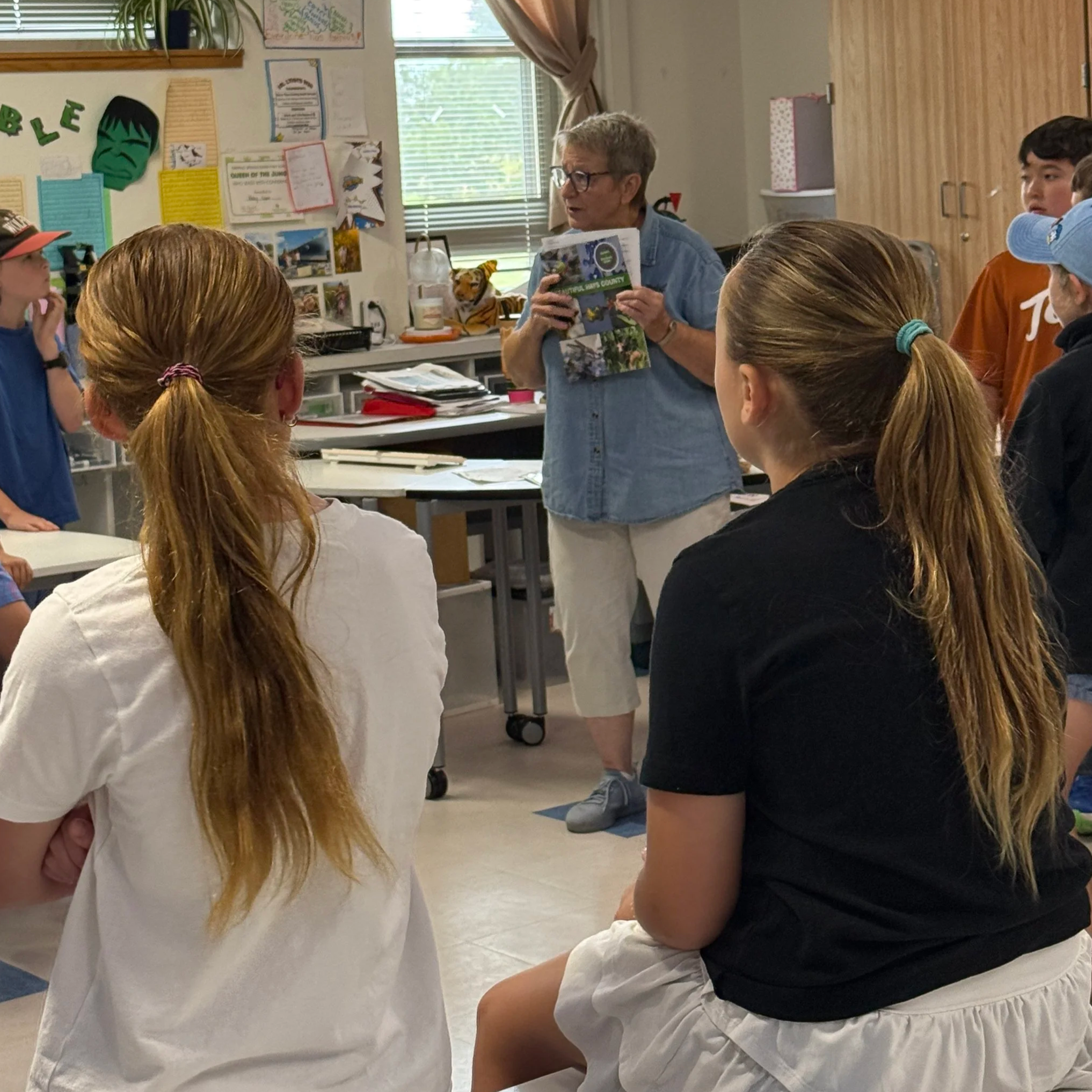
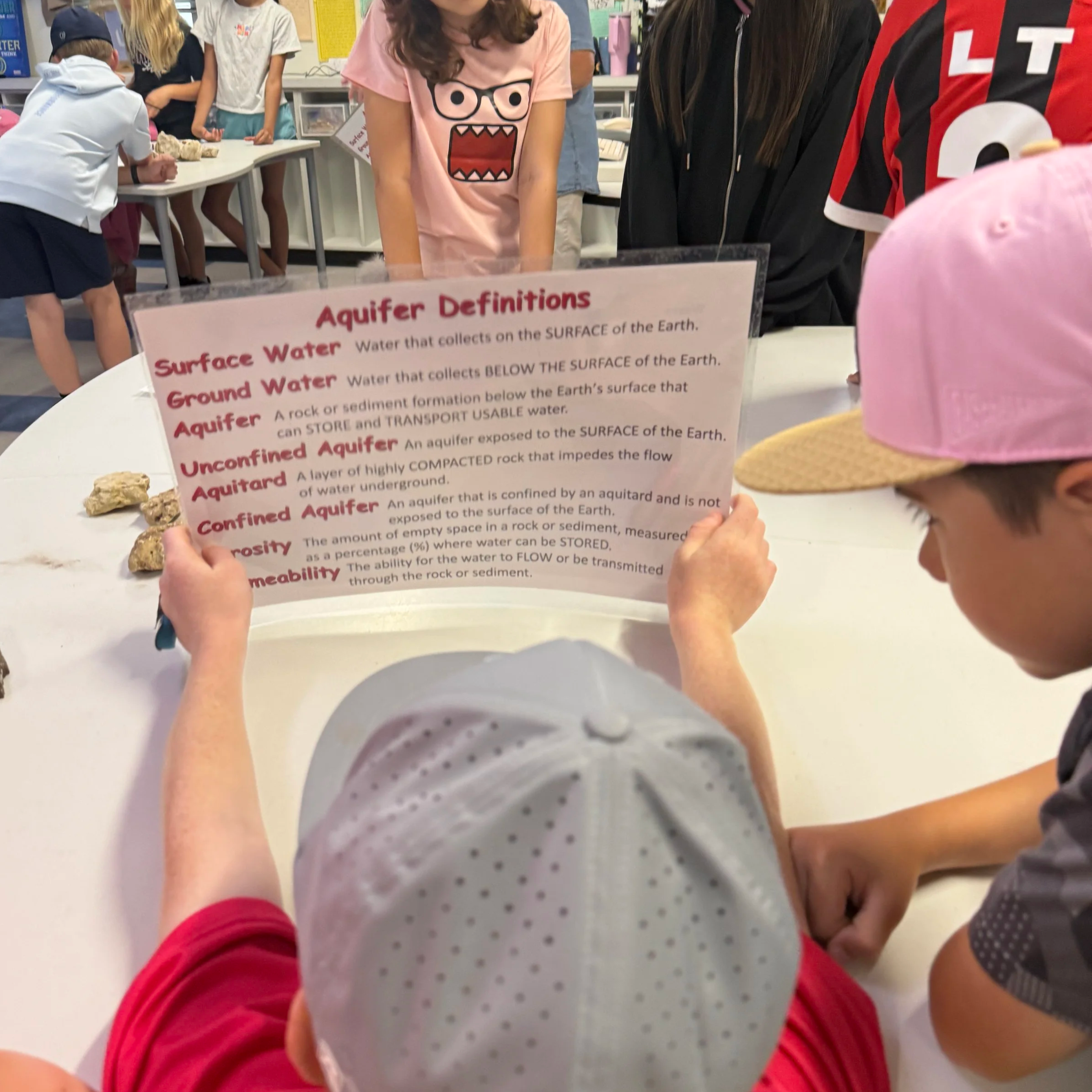
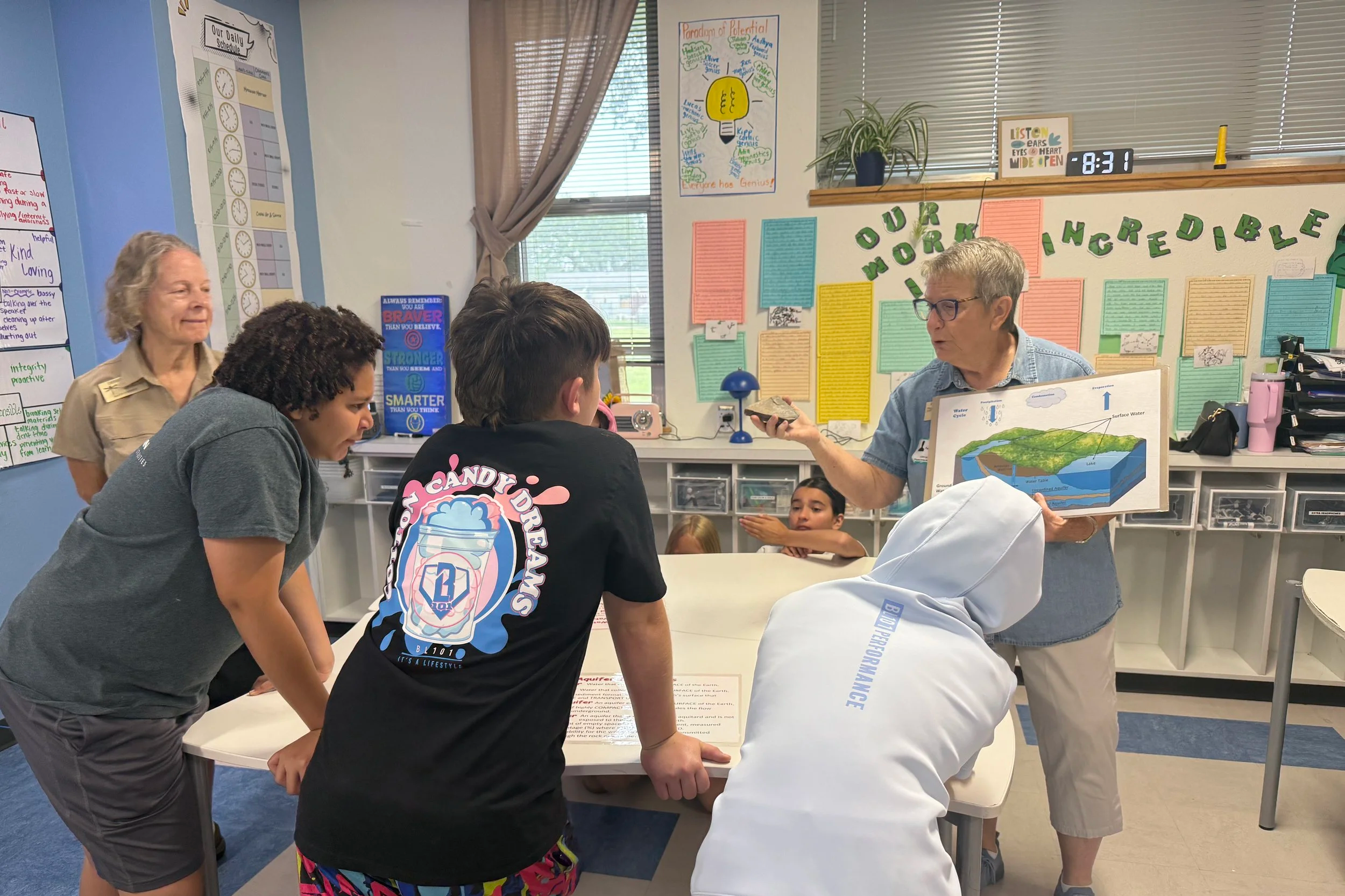
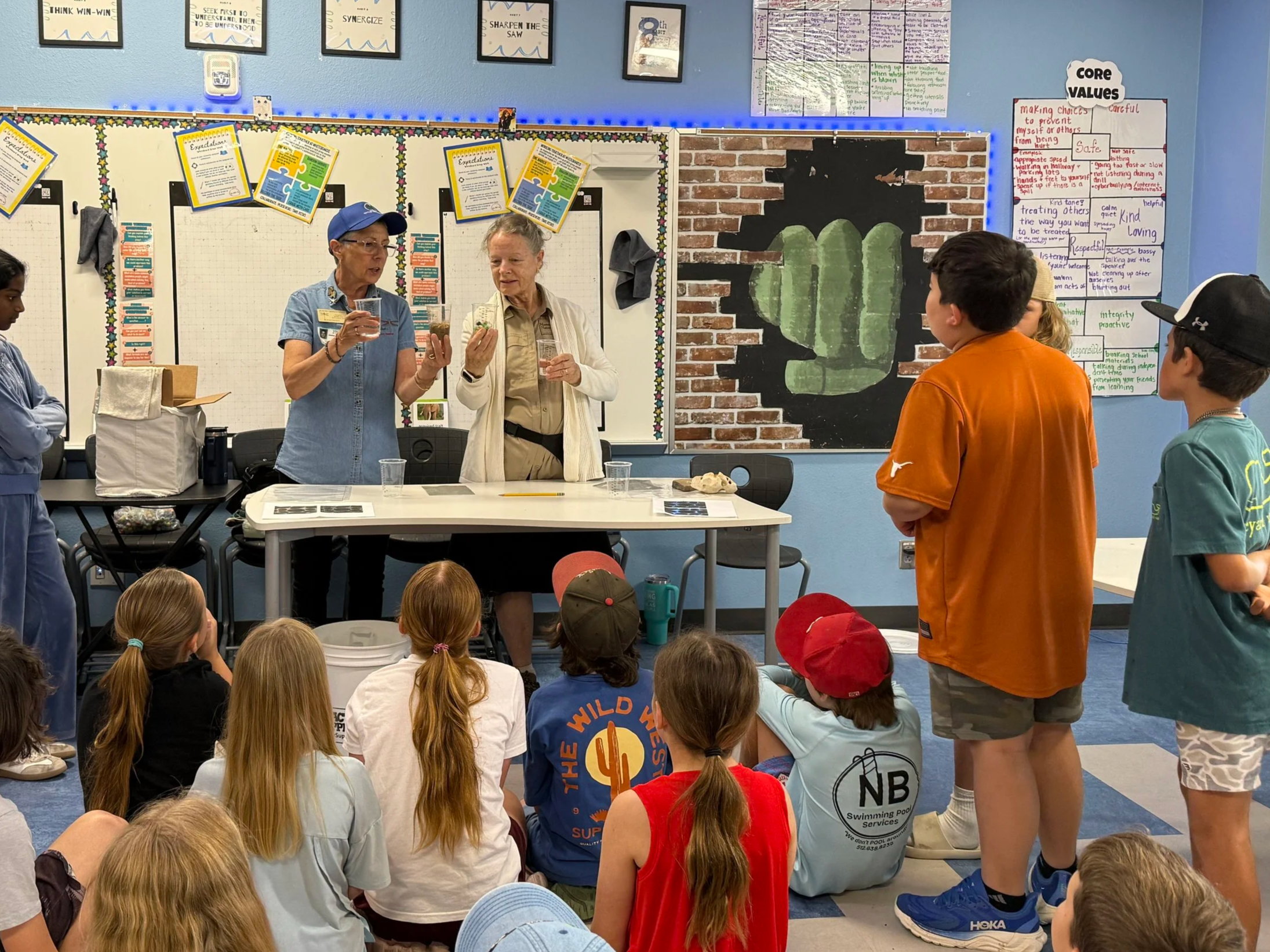
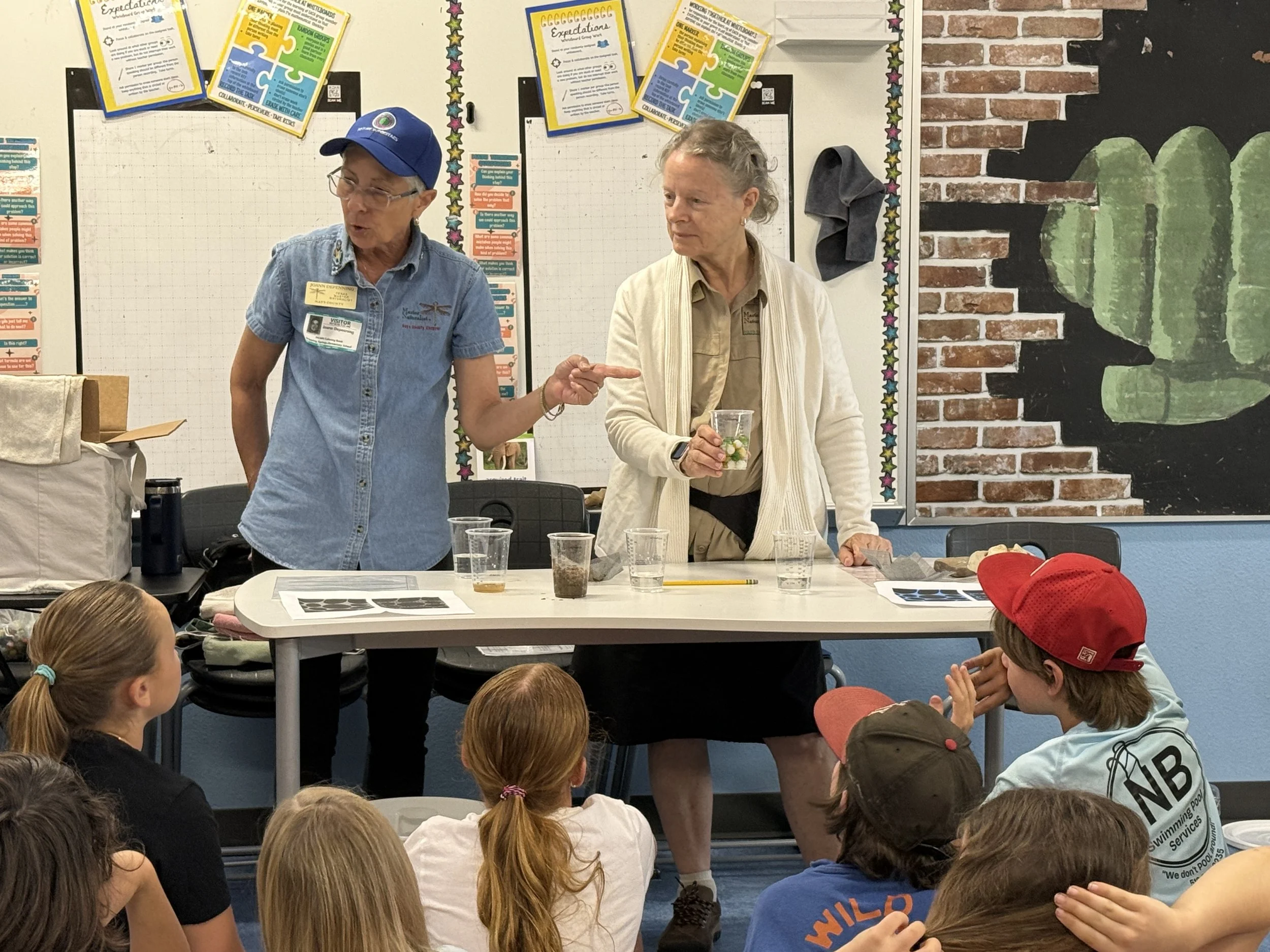
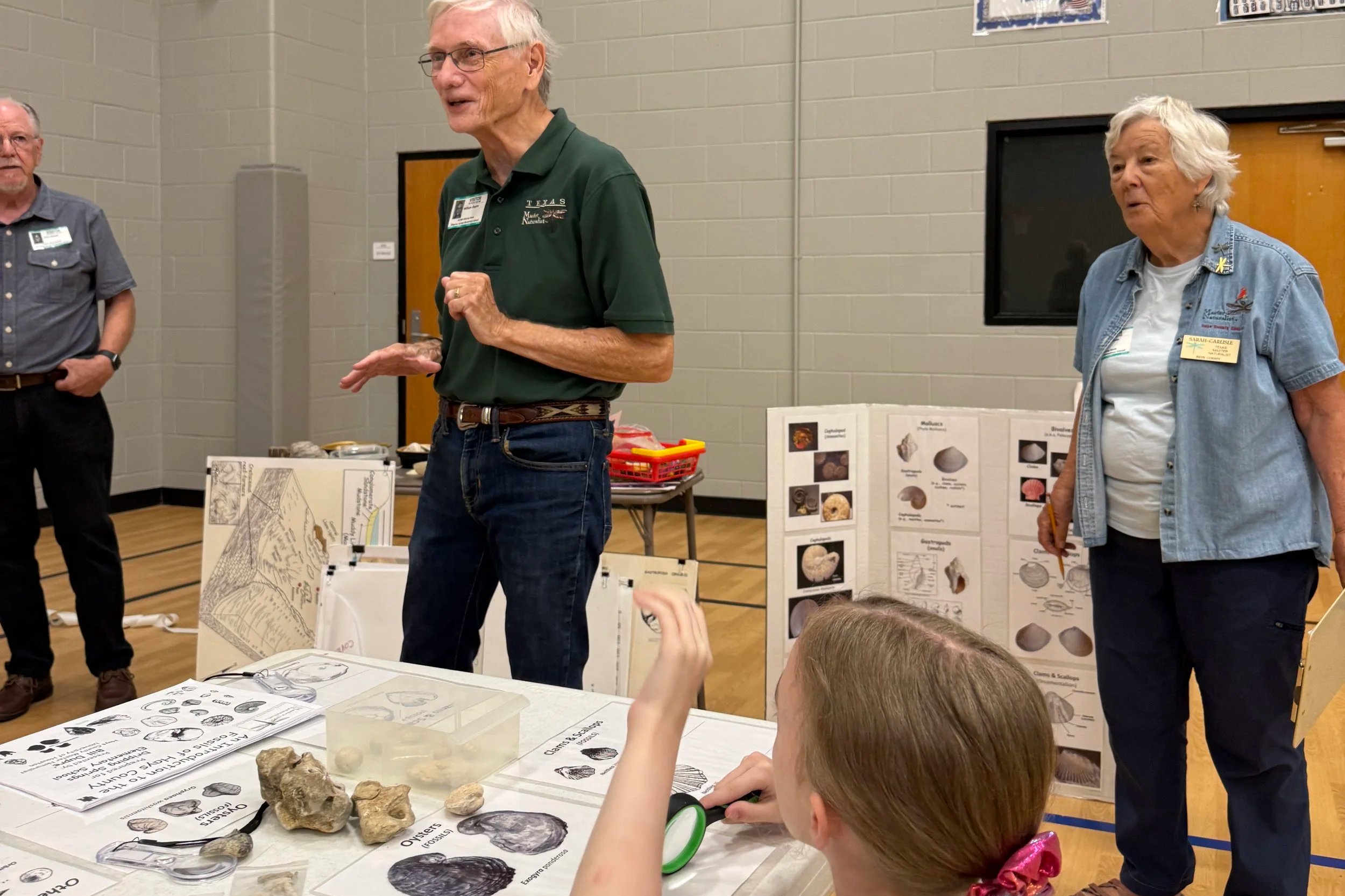
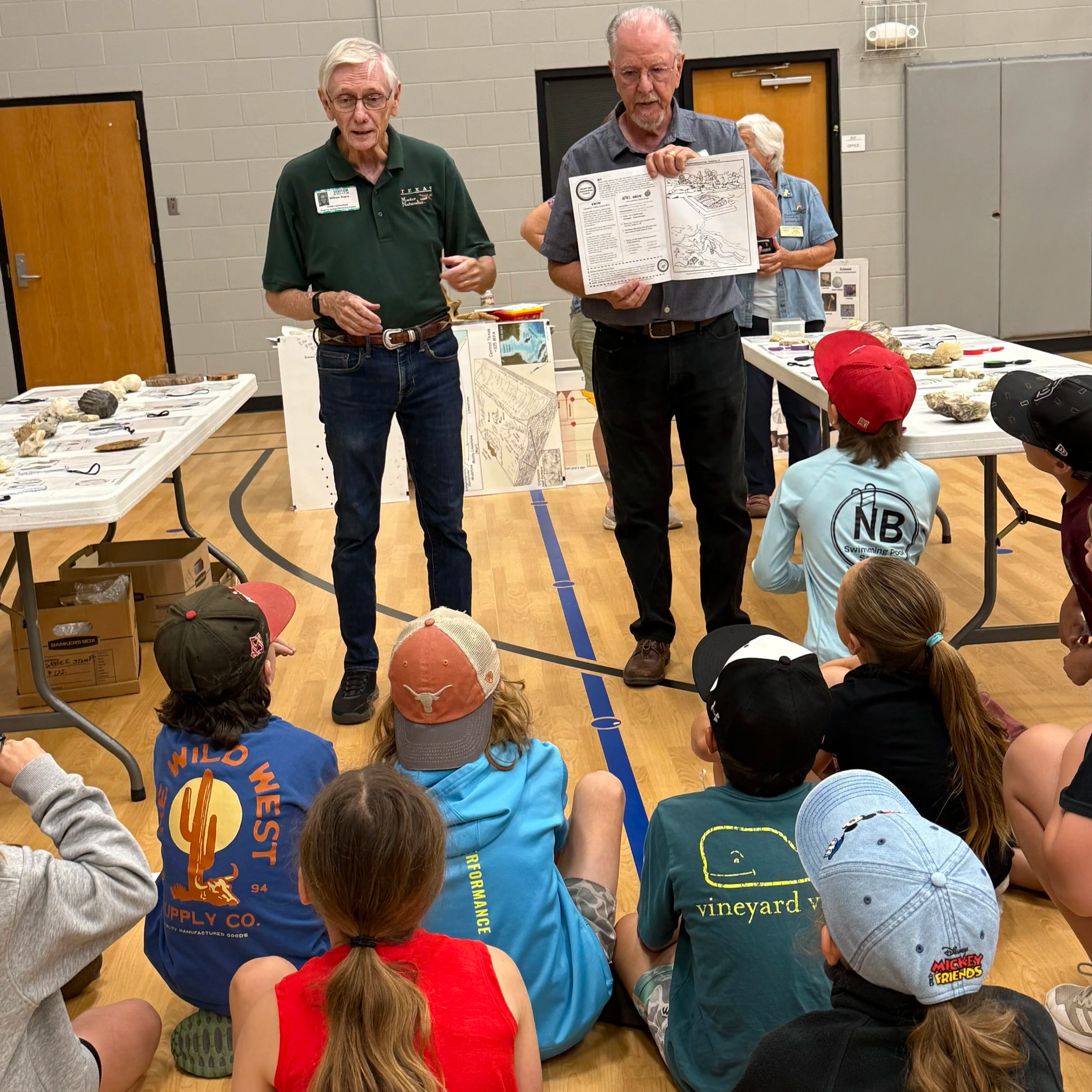
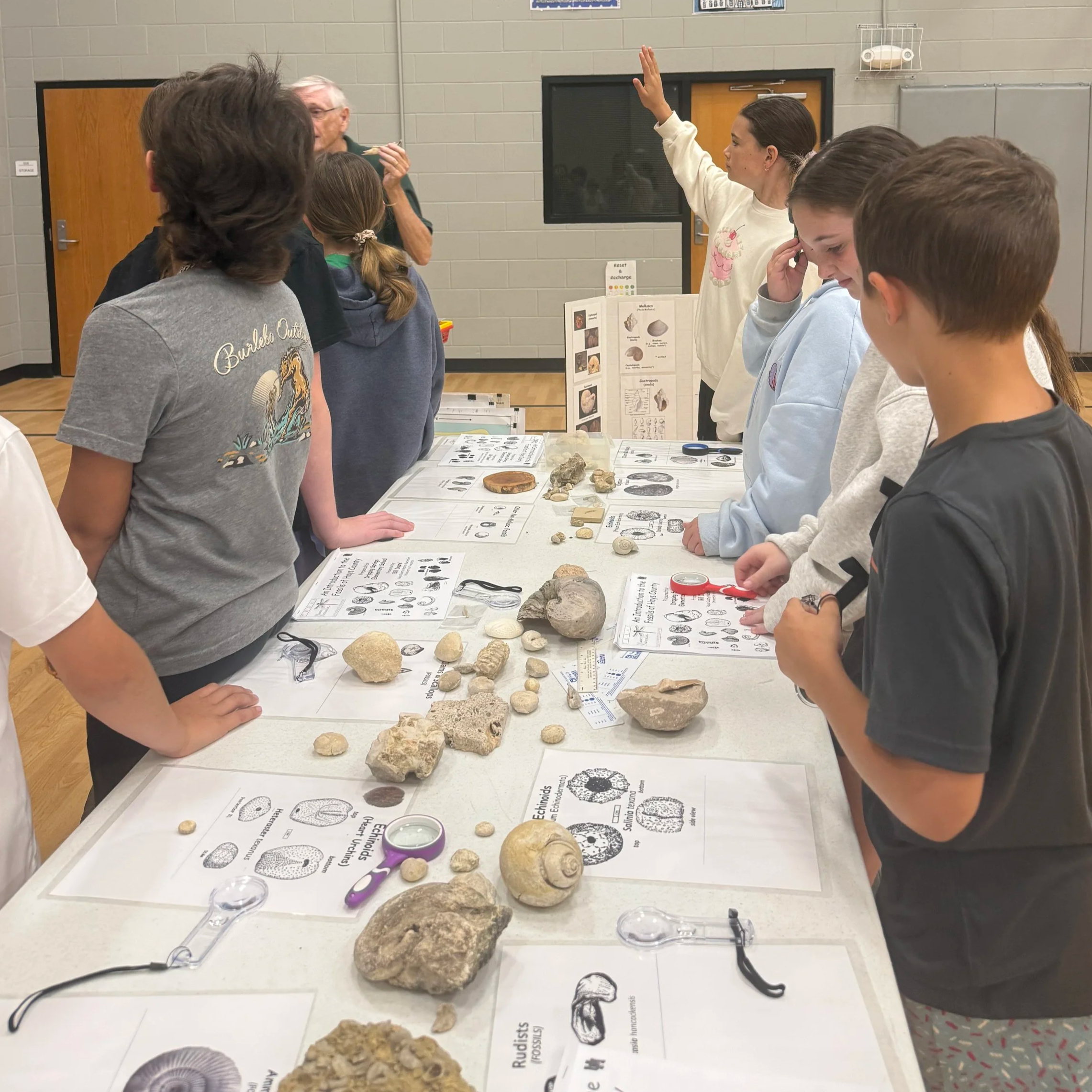
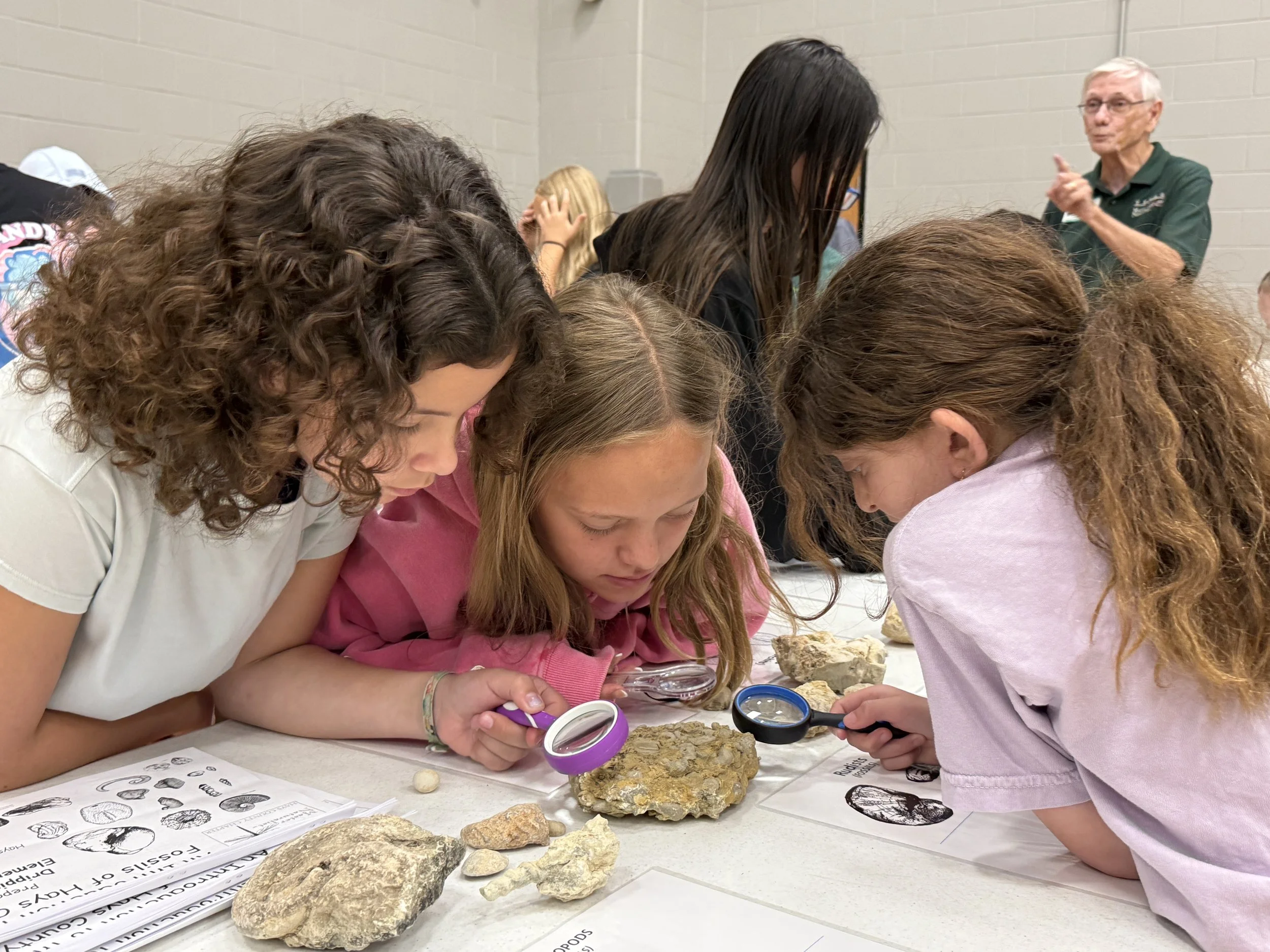
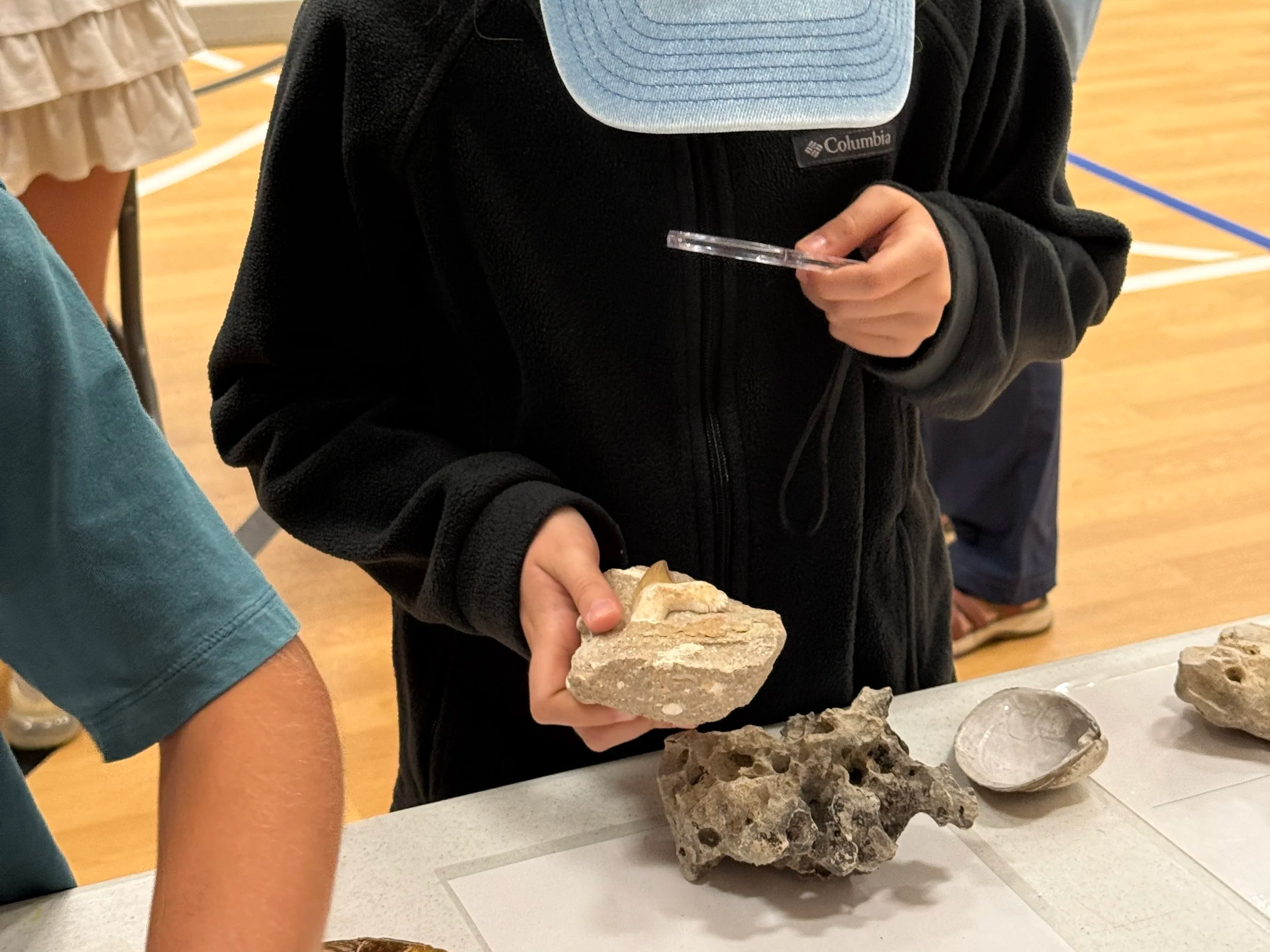
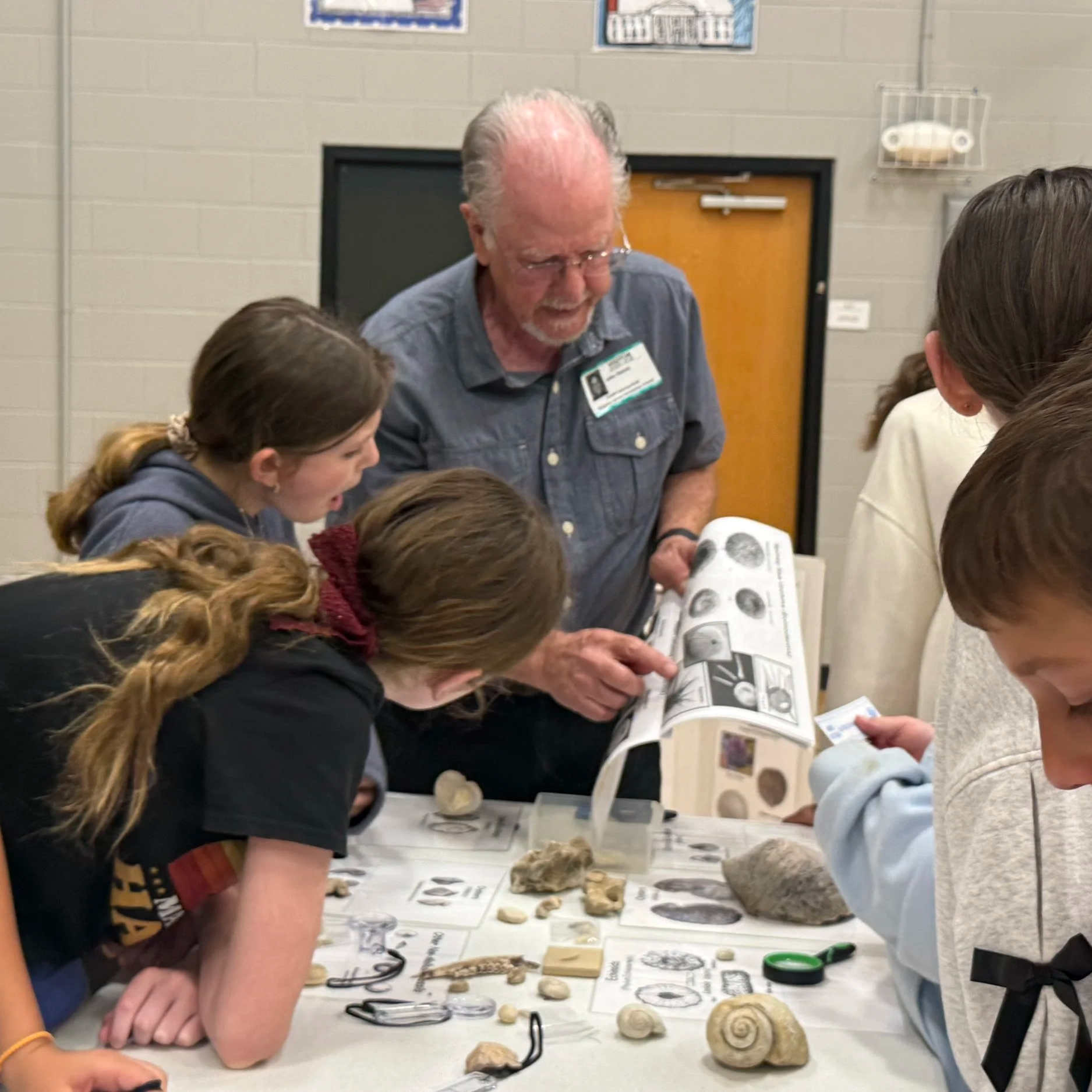
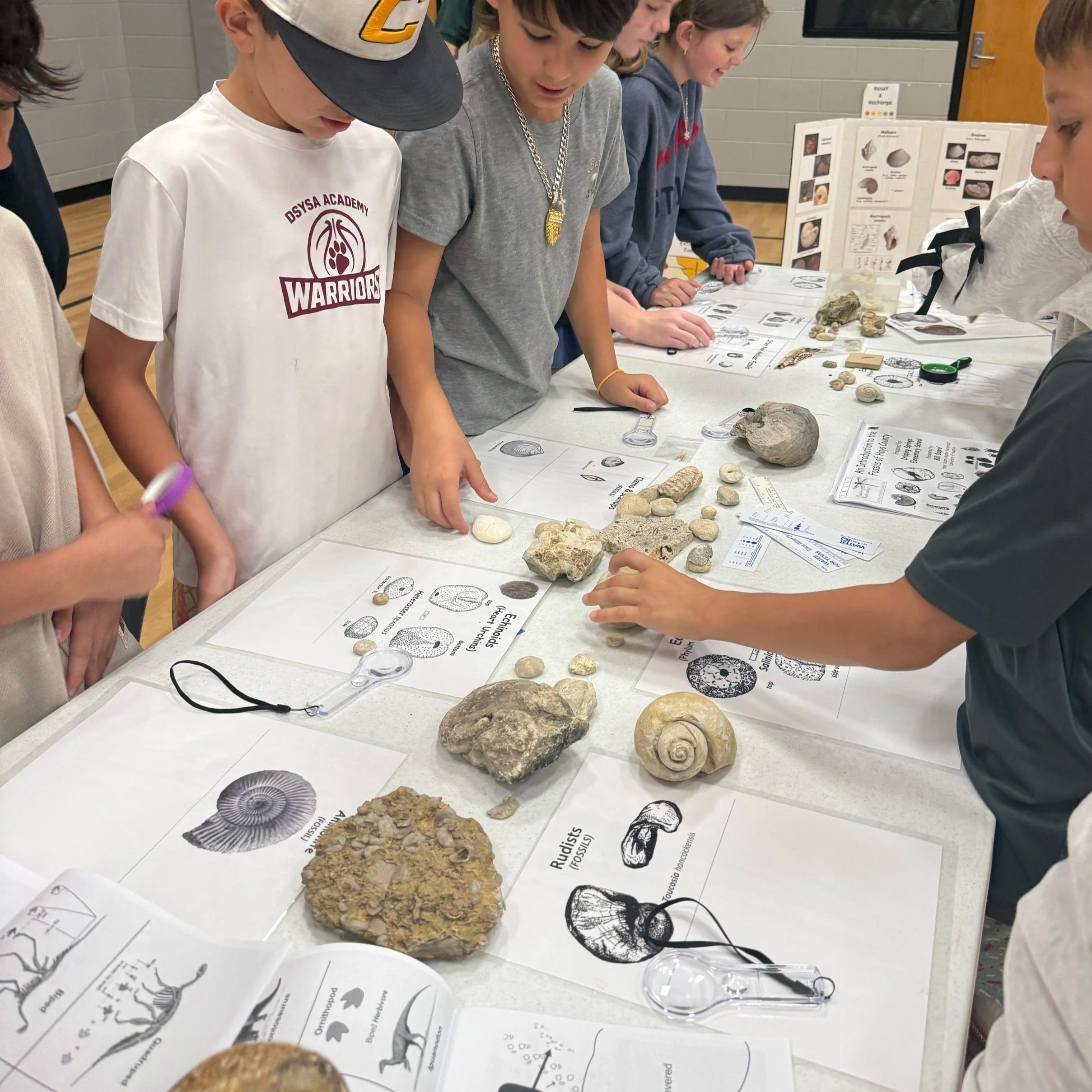
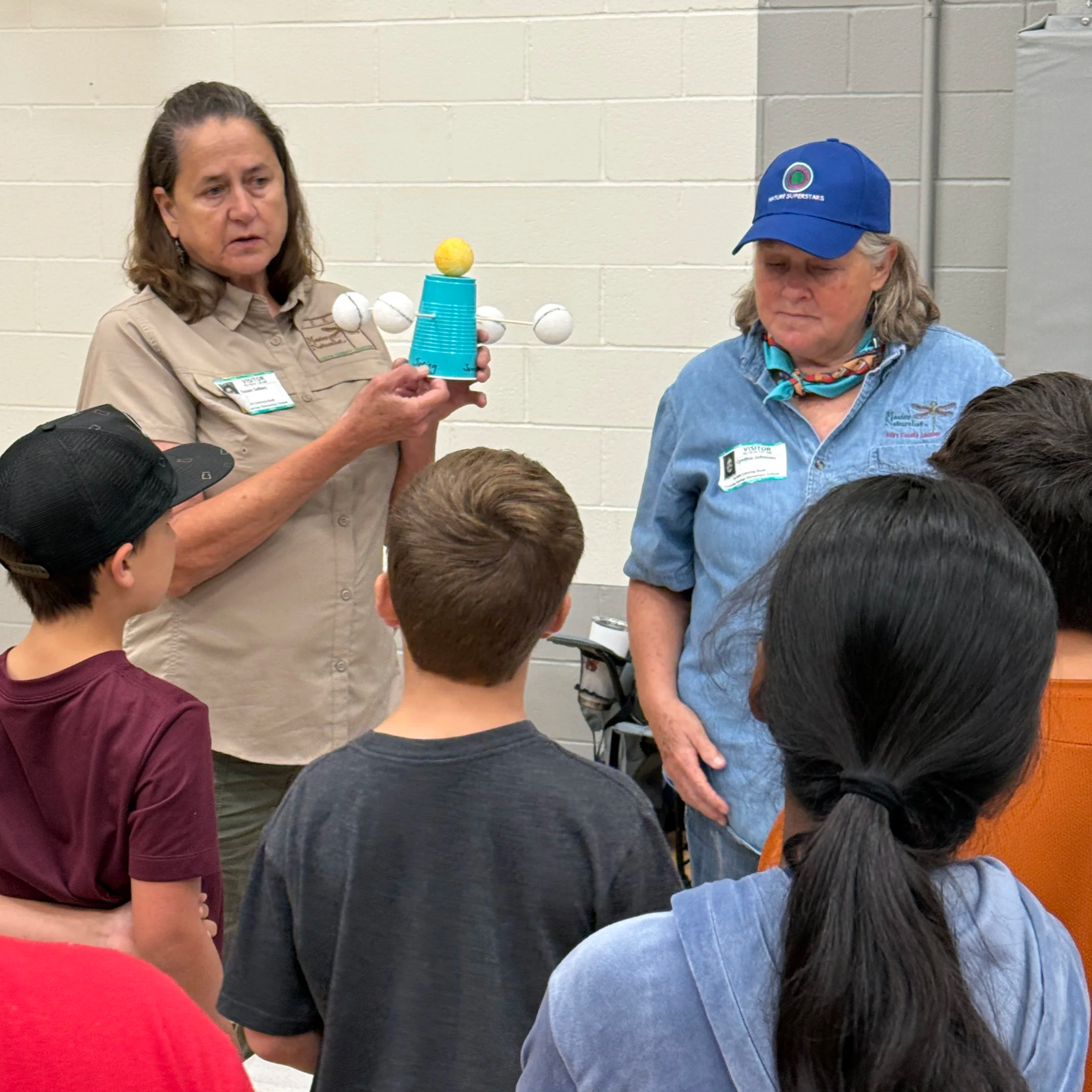
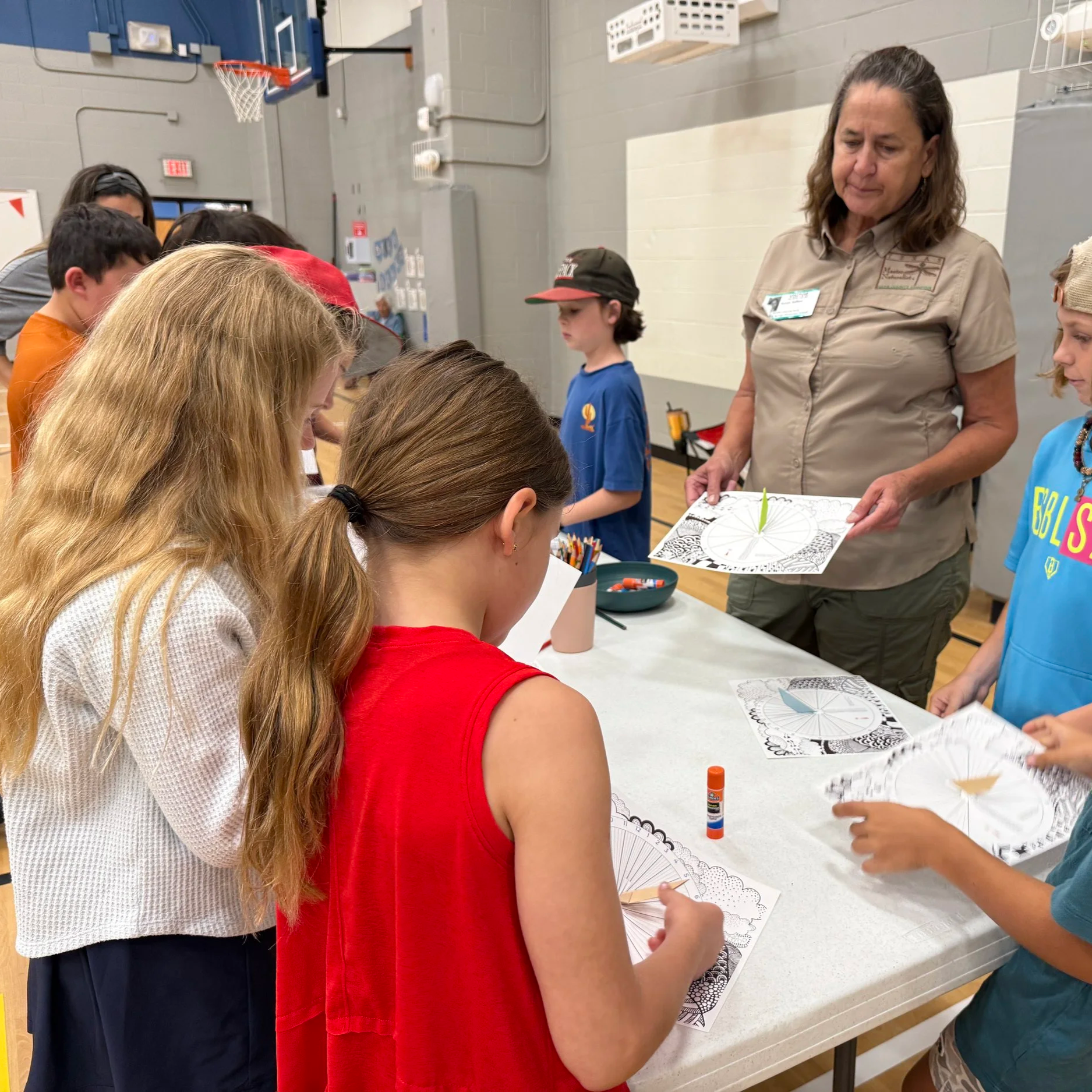
On a recent day in May at Dripping Springs Elementary, fourth graders rotated through three book-related activity stations: rubbing the veins of native leaves onto paper, building sundials to track the solstice sun, and listening wide‑eyed to stories about fossils and the seas that once covered Hays County.
What happened at Dripping Springs Elementary wasn’t just a special event. It was a glimpse of the book’s potential in a school setting. Now other elementary schools in the district are being introduced to the outdoor classroom experience.
Classroom photos courtesy Meghan Rossi
What is an Aquifer?
Finding Fossils
A Solstice Experience
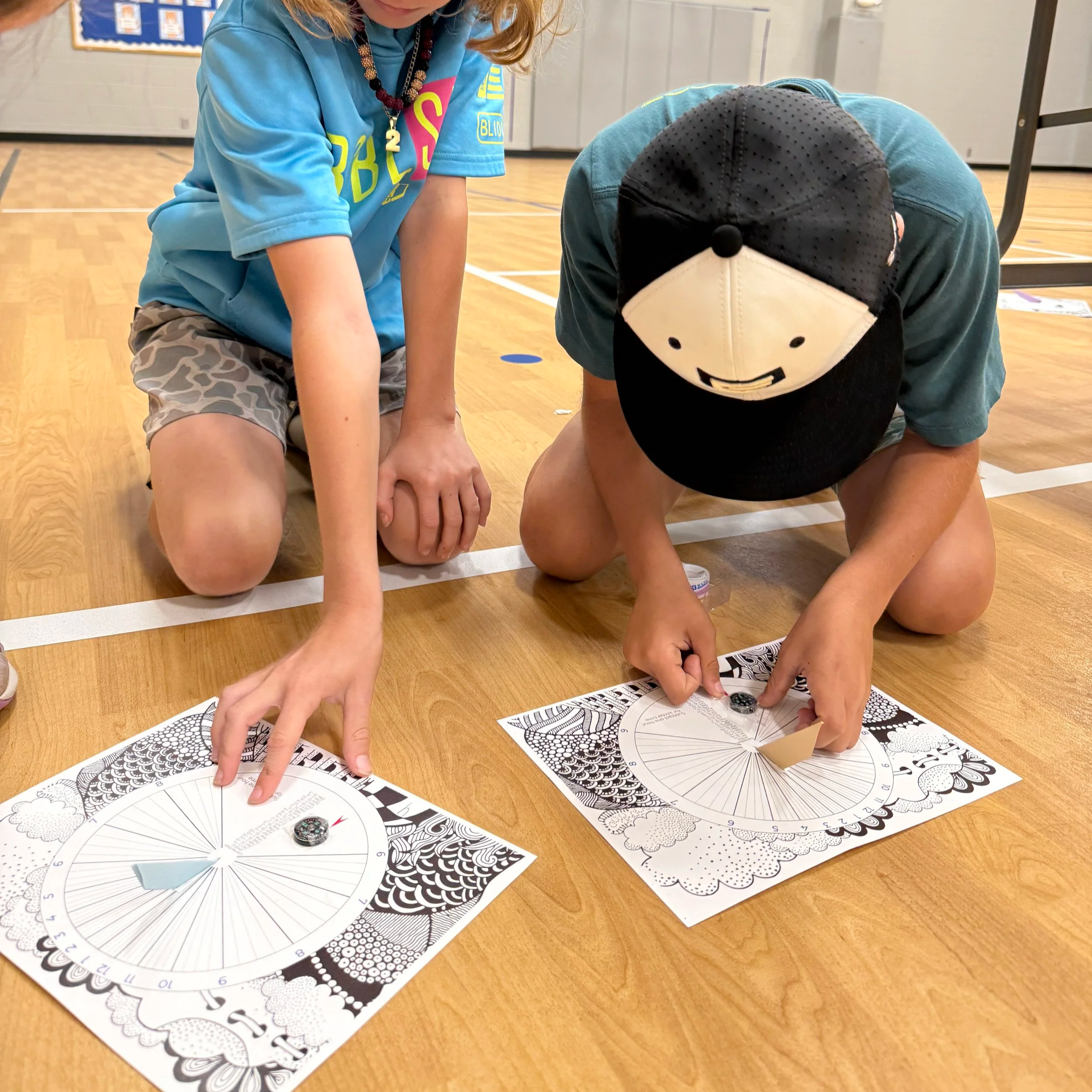
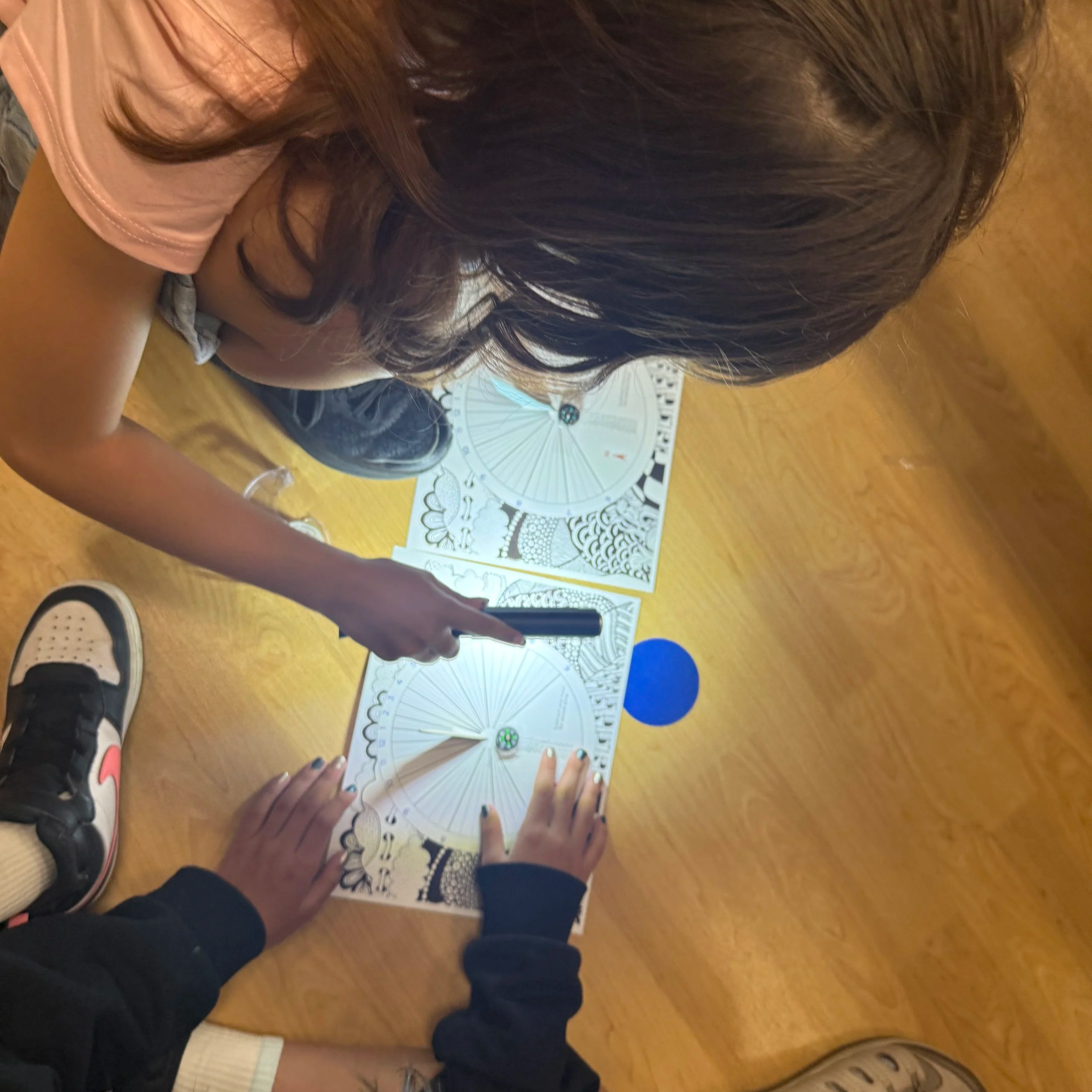
The volunteers that day expected enthusiasm. What surprised them was the depth of the students’ knowledge, the vocabulary they already had, the concepts they recognized, the way they participated.
Meghan Rossi, a parent, PTA board member, and HCMN, presented the idea of book-related activity stations to the elementary school’s principal, who said it’d be perfect for the end of school.
“It meant something to have this group of people in their community who can enrich the classroom experience,” she said. “It’s one thing to learn from teachers and go on field trips. When you can bring in experts from the community, and it’s a new person teaching you and showing you, educational enrichment can come to you.”
Now that all those fourth graders have their own free copy of “Beautiful Hays County Activity and Coloring Book,” they’re on their way to becoming Nature Superstars. The stickers and certificate awarded for completing the activities are just as exceptional as the book’s illustrations. Stickers are distributed at outreach events, like the recent Migratory Bird Festival in San Marcos, or redeemable through the website.
Kids and their parents were also encouraged to use the book as a summer “staycation” guide. Summer days can become mini family-oriented adventures, like hiking at Spring Lake, watching ducks at Kyle parks, and visiting the butterfly waystation at Driftwood Park. The book becomes a map, a field guide, and another reason to explore Hays County.
Summer Events and Simple Ways to Help
The Hays County Master Naturalist Summer Learning Series at the Wimberley Village Library, 400 FM 2325, kicks off this month. Events are from 4 to 5 p.m. Upcoming dates and topics:
June 12 - Turtles
July 10 - Dragonflies
August 7 - Endangered species
Attendees will receive a free “Beautiful Hays County Activity and Coloring Book” provided through a Wimberley Community Civic Club grant.
On June 14, the project team will participate in the Pollinator Education Expo at Desert Door Distillery in Driftwood.
Grants and donations keep the books free. Volunteers make the lessons come alive. Visit the website to learn more about getting involved.
We’d also like to recognize the volunteers who participated in the event at Dripping Springs Elementary:
Fossils - Bill Dupre, Diane Knapp, Pat Heintz
Solstice - Susan Sellers, Cindy Johnson, Jeanie Ferrell
Aquifers - Paula Glover, JoAnn DePenning, Debbie Hyde
Timekeeper/Impact Data Recorder - Sarah Carlisle
Photographer - Meghan Rossi
For more detail about the content of the “Beautiful Hays County Activity and Coloring Book,” see Color Us Beautiful by Mimi Cavender in the May 2023 Hays Humm.
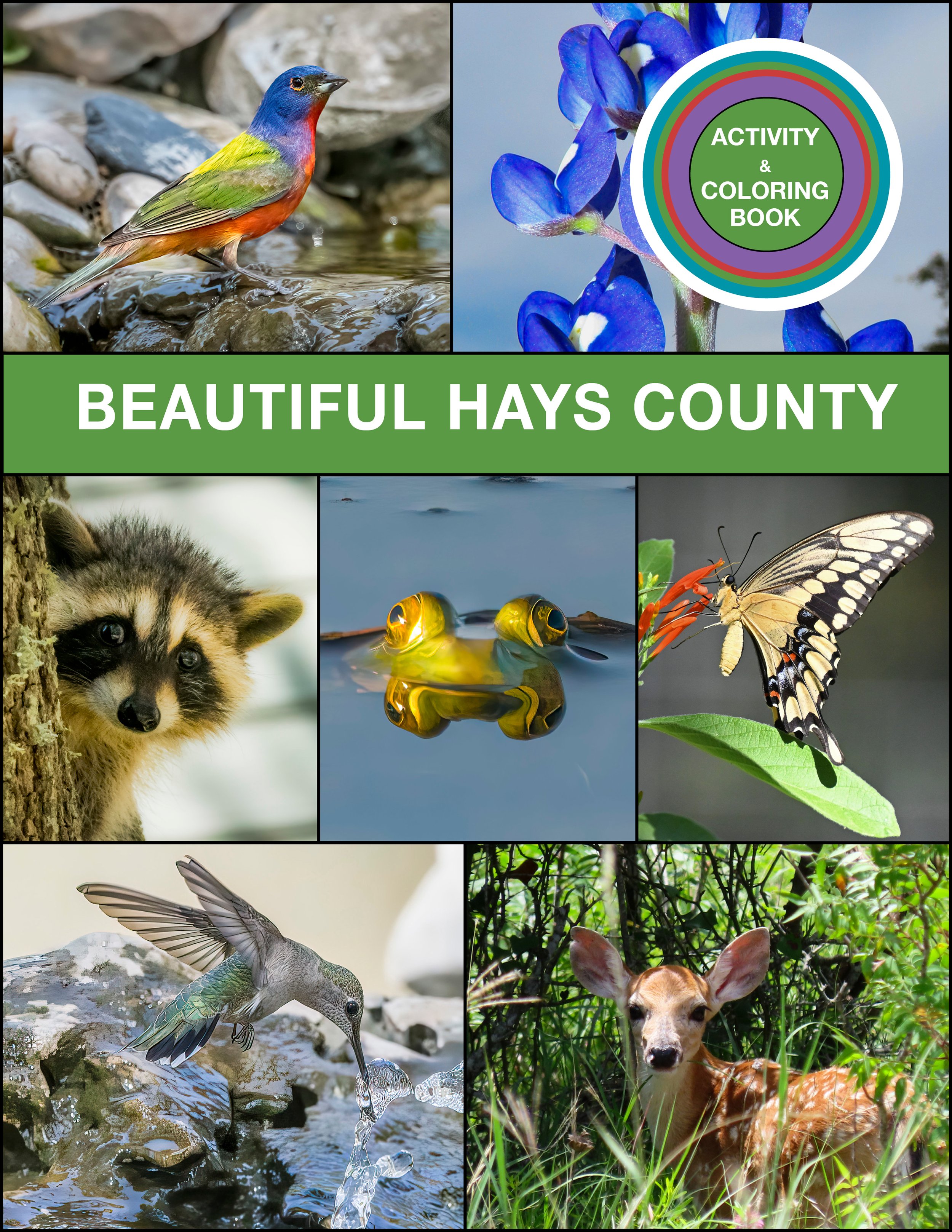
Front Cover
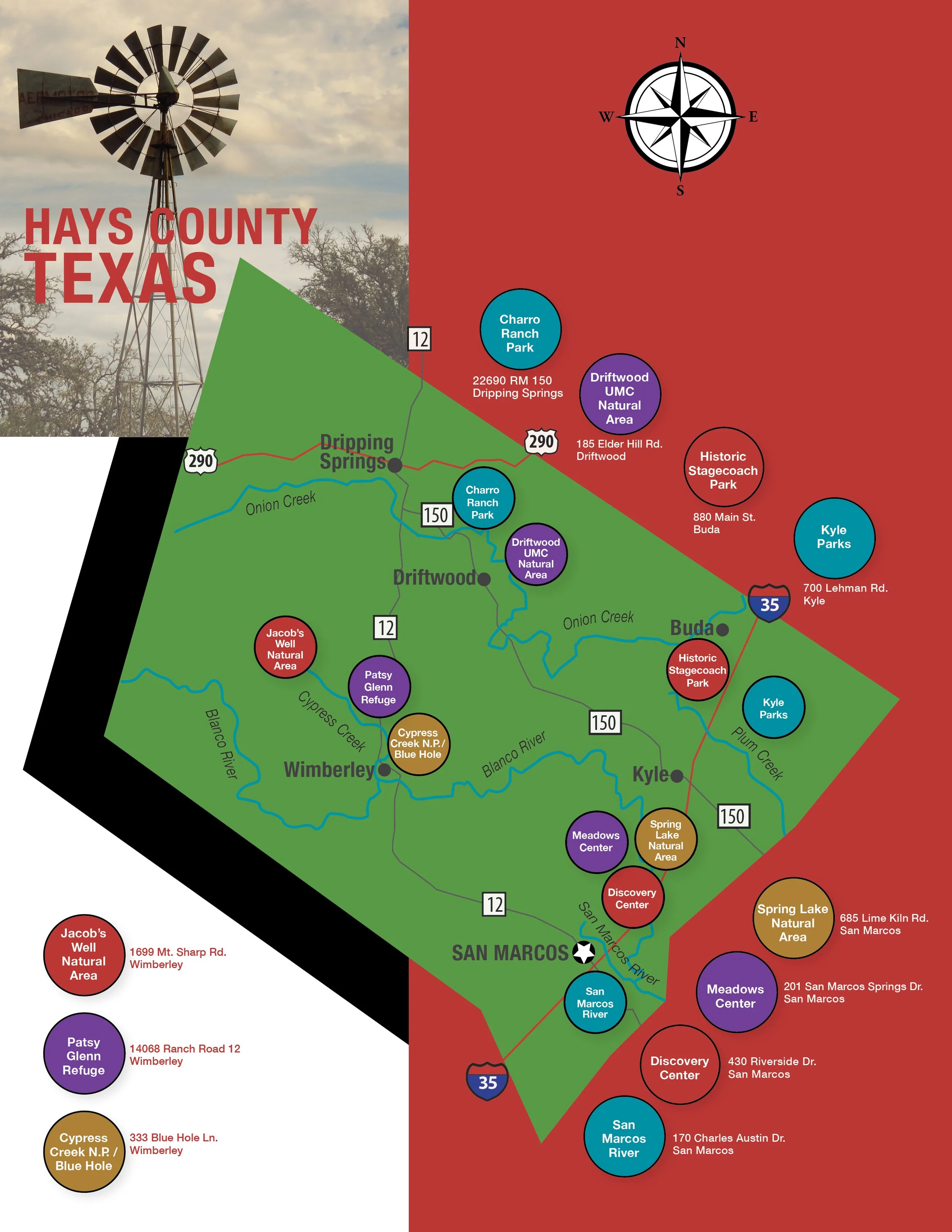
Back Cover