Where Birds Begin
HCMN Project 702 Bluebird Nest Box Monitoring
Observations from the Field
Betsy Cross
For many Master Naturalists, birders, and conservation-minded observers, the nesting season offers a window into one of nature’s most captivating processes—how birds build their nests and raise their young.
I’ve been peering into bird nests for as long as I can remember. But when I discovered that I could mount a wooden box on a pole, open a small hinged door, and find eggs or chicks inside—then watch the parents deliver food and coax fledglings into their first flight—I was hooked on the opportunity to observe these intimate moments up close and better understand the lives of birds.
Each year in late fall, bird enthusiasts and citizen scientists across the country begin preparing for the spring nesting season, which in Central Texas starts as early as February. We never tire of monitoring nest boxes, nest cams, and natural cavities for a closer look at nesting activity. Along the way, we log the data that help experts track reproductive success, understand migration patterns, assess habitat loss, and measure the effects of a changing climate, ultimately offering insight into a species’ long-term success and viability.
Each bird species has its own nesting style. Nest placement and construction are highly specific to the species. In some cases, both parents share the work of building, incubating, and feeding their young. In others, a single parent manages the entire process. And some birds take a different approach altogether, parasitizing the nests of other species and leaving the work of raising their young to unsuspecting foster parents.
The more closely I observe nesting patterns and preferences, the more questions I find myself asking:
Why do some birds build open-air nests in the crook of a tree branch, while others depend on cavities?
Why does an Ash-throated Flycatcher construct a foundation of Ashe juniper strips, then layer it with thick, pelt-like fur?
Why do titmice tuck a piece of snakeskin into nests made of fresh green moss and lined with soft fur and even bits of pink insulation?
What would drive an Eastern Phoebe to choose a half-inch ledge under my front porch, where it shapes mud into a nest cup, then covers it with soft trailing moss and lines it with a single variety of grass in a perfect oval?
These distinctive choices are the signatures of birds.
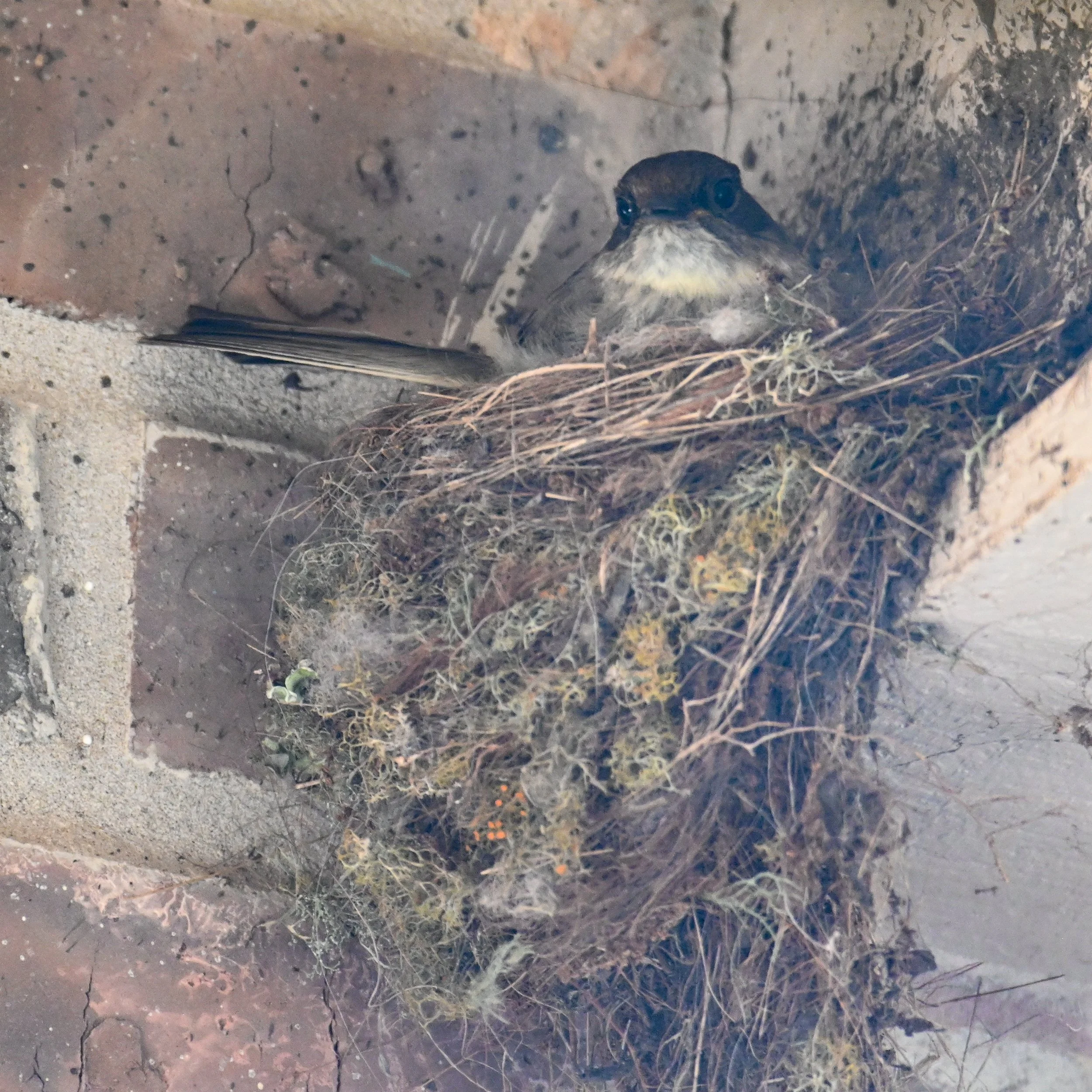
Eastern Phoebe
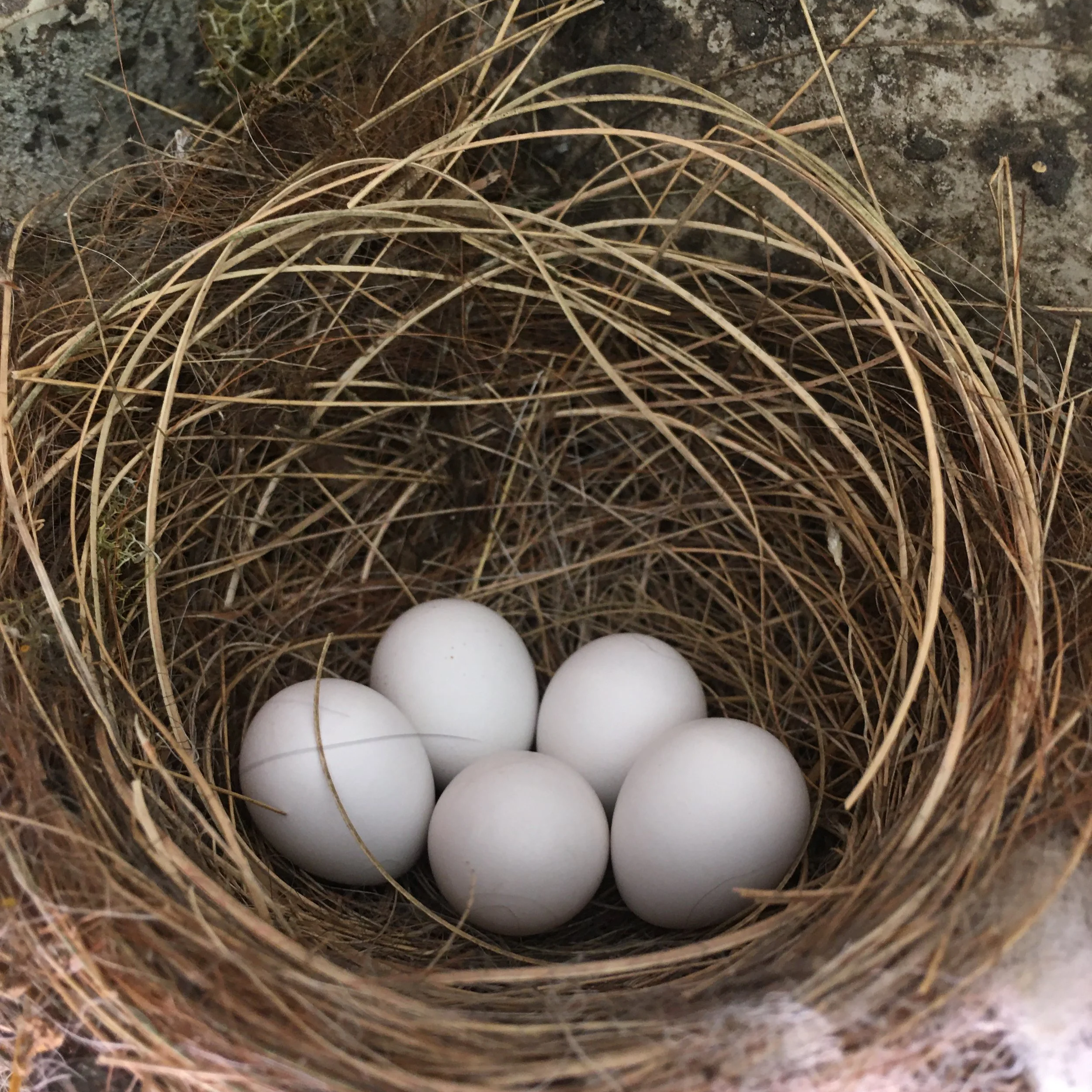
Eastern Phoebe nest with eggs
Project 702 RM Bluebird Nest Box Monitoring
As part of HCMN Project 702 Bluebird Nest Box Monitoring, 2026 marks my ninth year managing and documenting nest box activity at Jacob’s Well Natural Area.
The Eastern Bluebird is our target species for habitat enhancement. Their populations declined sharply in the early twentieth century following the introduction of aggressive, non-native competitors such as the European Starling and the House Sparrow. These species made natural nesting cavities increasingly difficult for bluebirds to secure.
In the 1960s and 1970s, the establishment of bluebird trails and improved nest box design helped reverse this trend. Since then, Eastern Bluebird populations have steadily recovered.
Another challenge comes from a native species, the Brown-headed Cowbird. Rather than building their own nests, female cowbirds lay eggs in the nests of other birds. Their eggs often hatch sooner, giving their chicks a competitive advantage. In some cases, cowbird nestlings outcompete, or even displace, the host’s young.
Through Project 702, Hays County Master Naturalists are helping expand suitable nesting habitat for bluebirds. While other species also use these boxes, proper placement and management for bluebirds remains a priority. It’s also important to remember that it is illegal to disturb the nests of any native bird species.
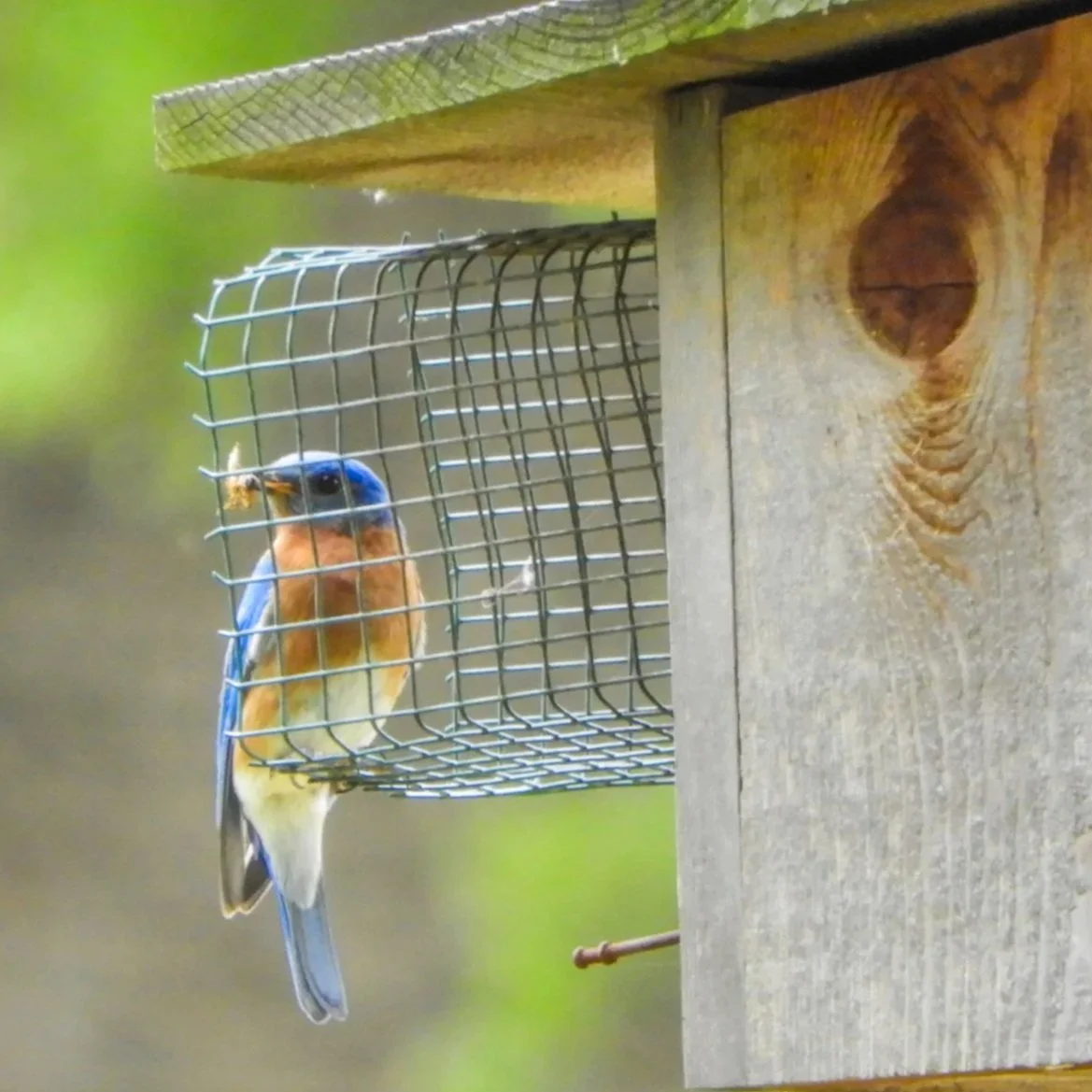
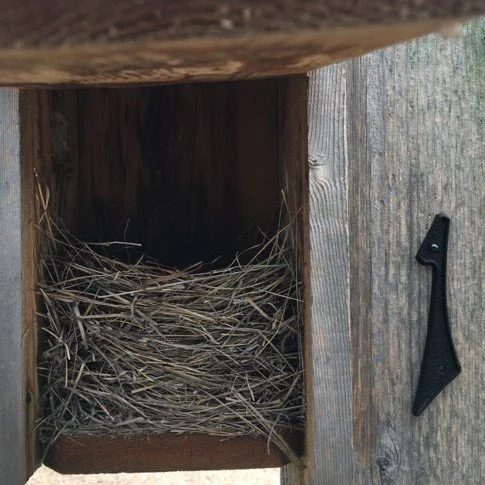
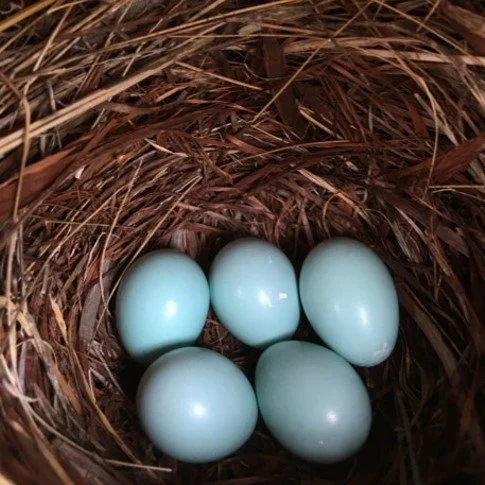
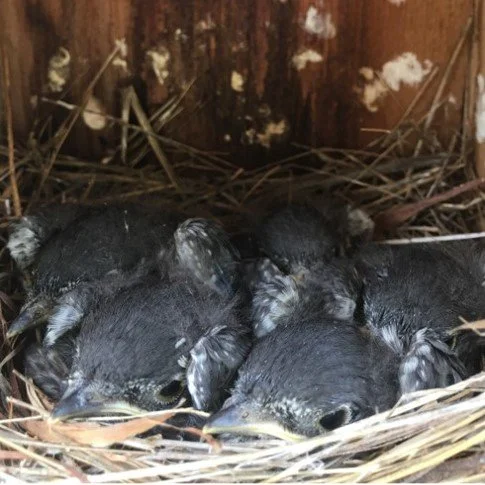
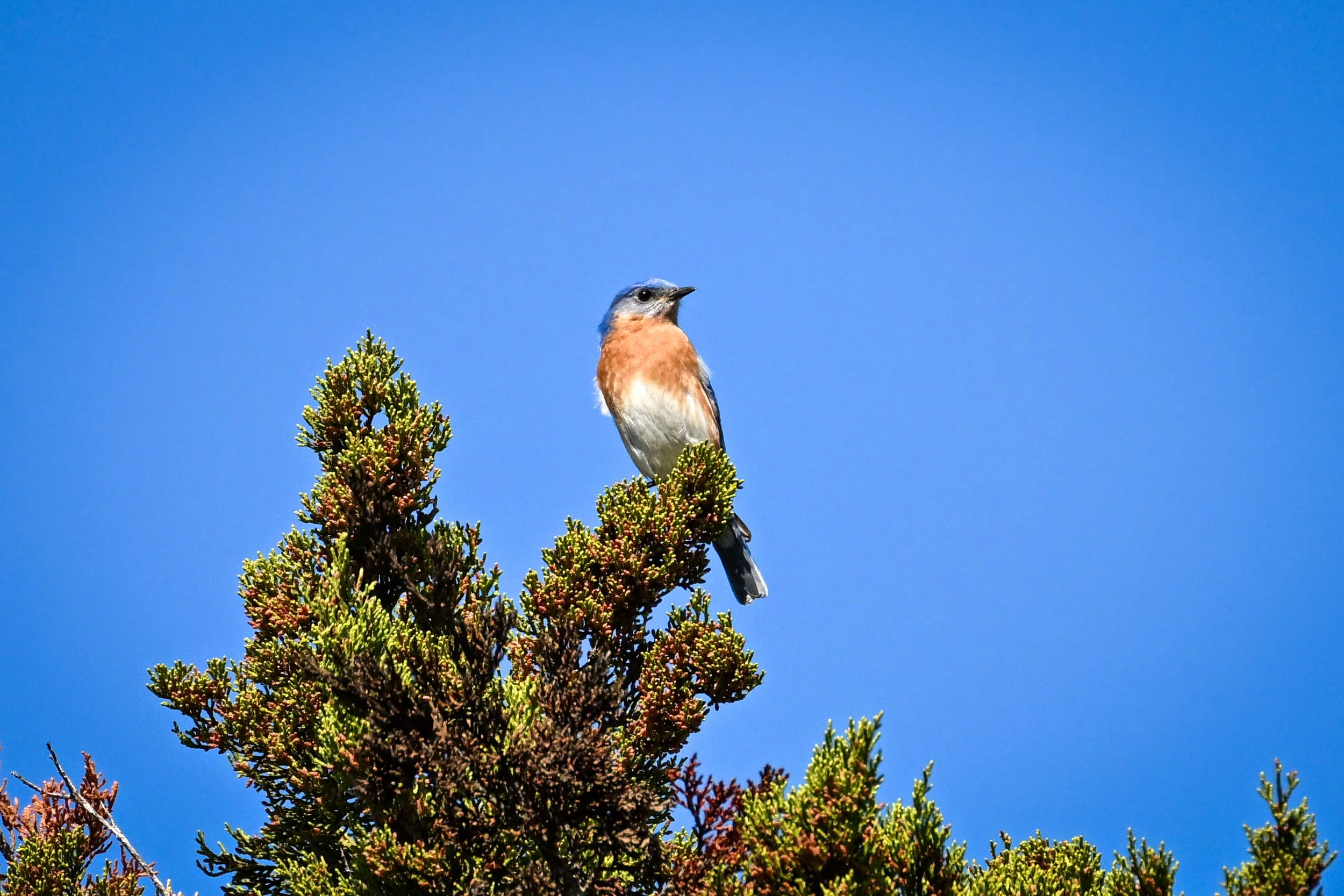
Eastern Bluebird
Sialia sialis
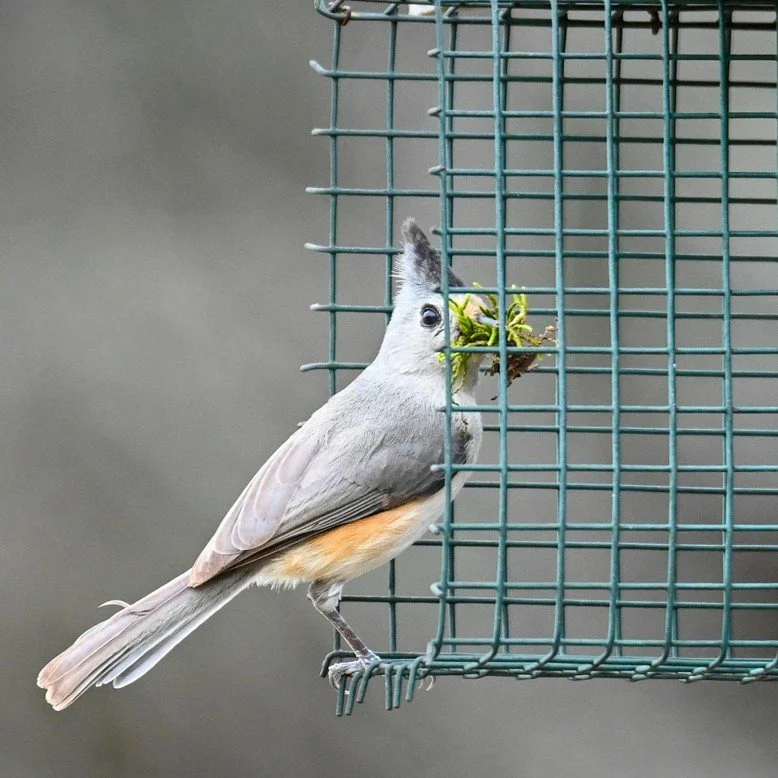
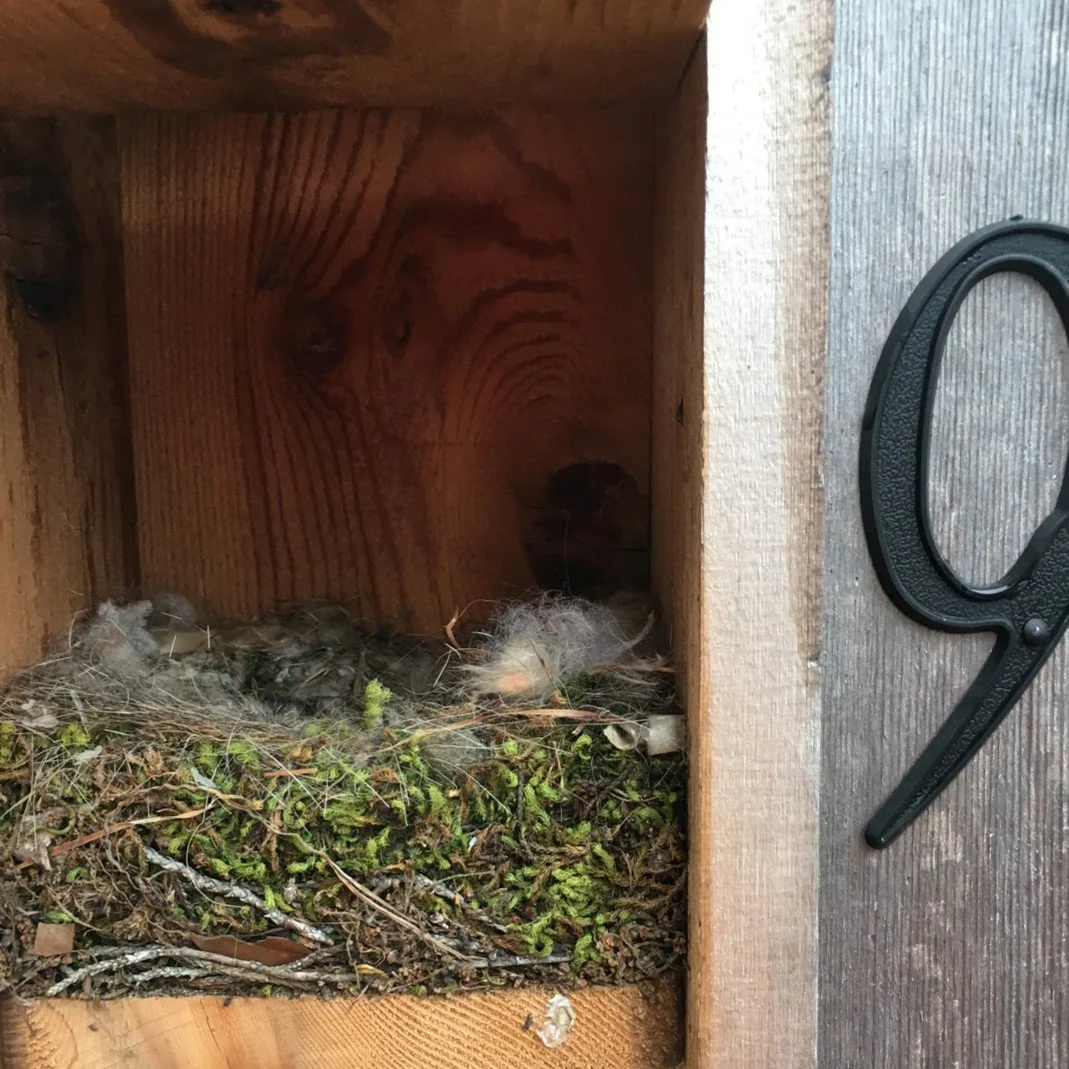
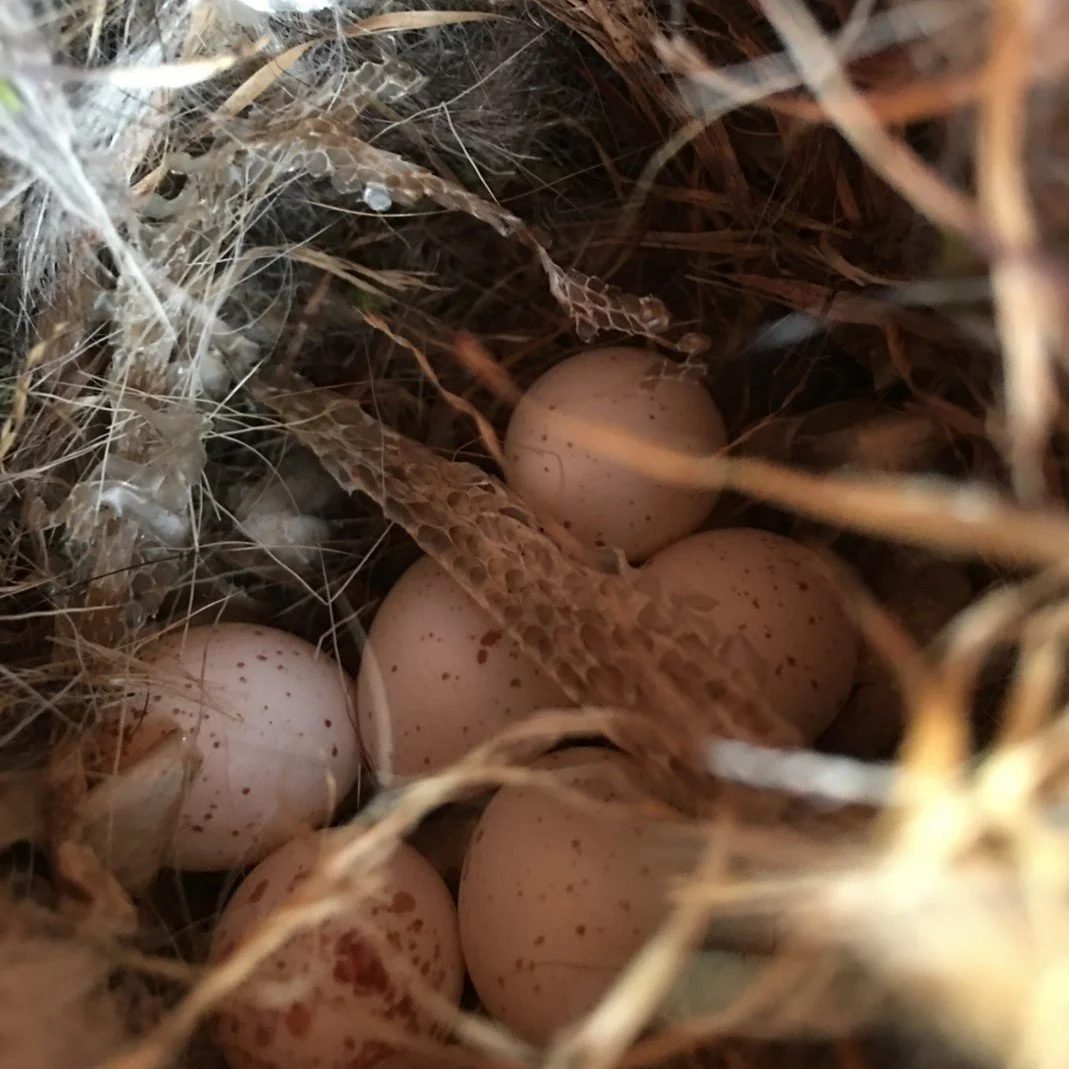
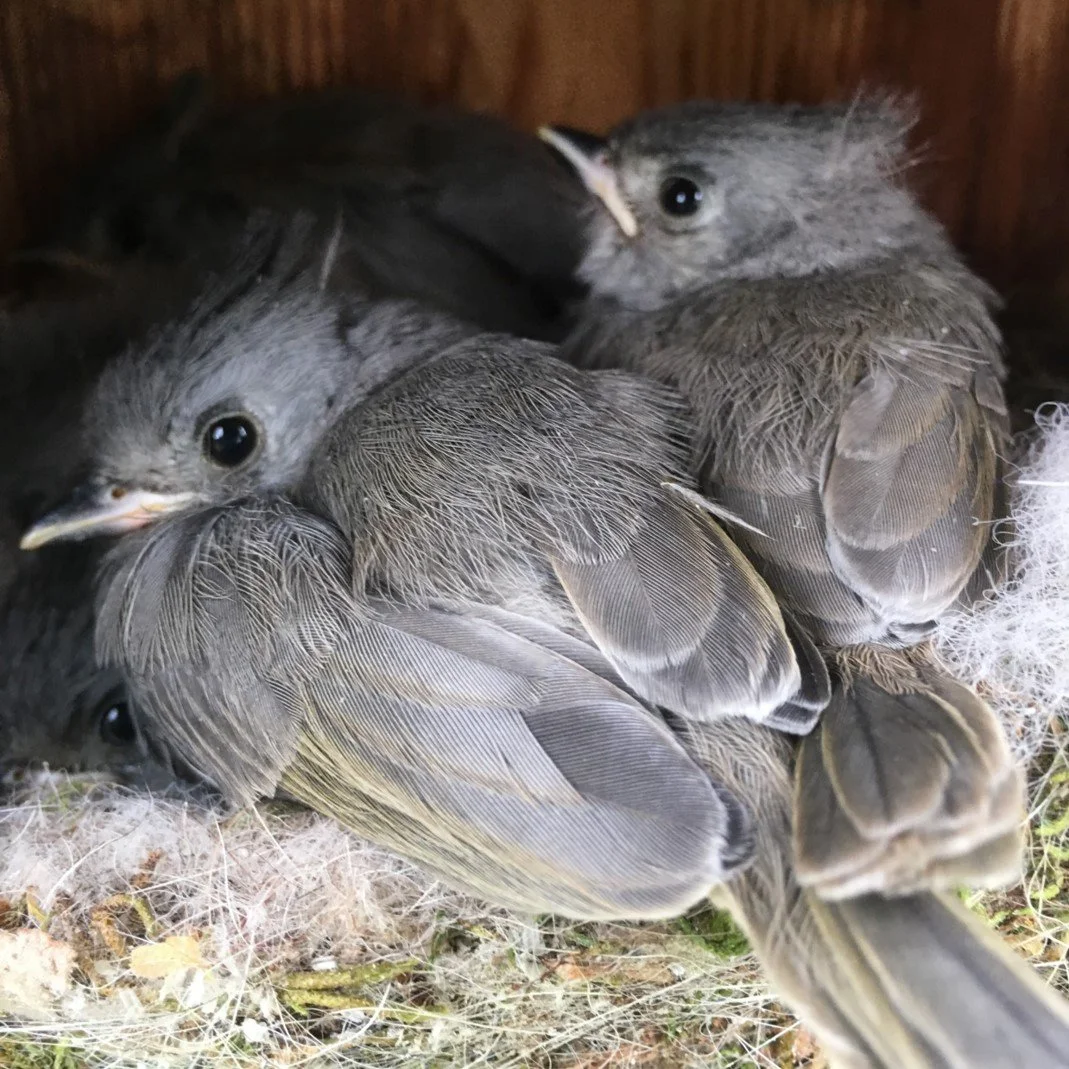
Black-crested Titmouse
Baeolophus atricristatus
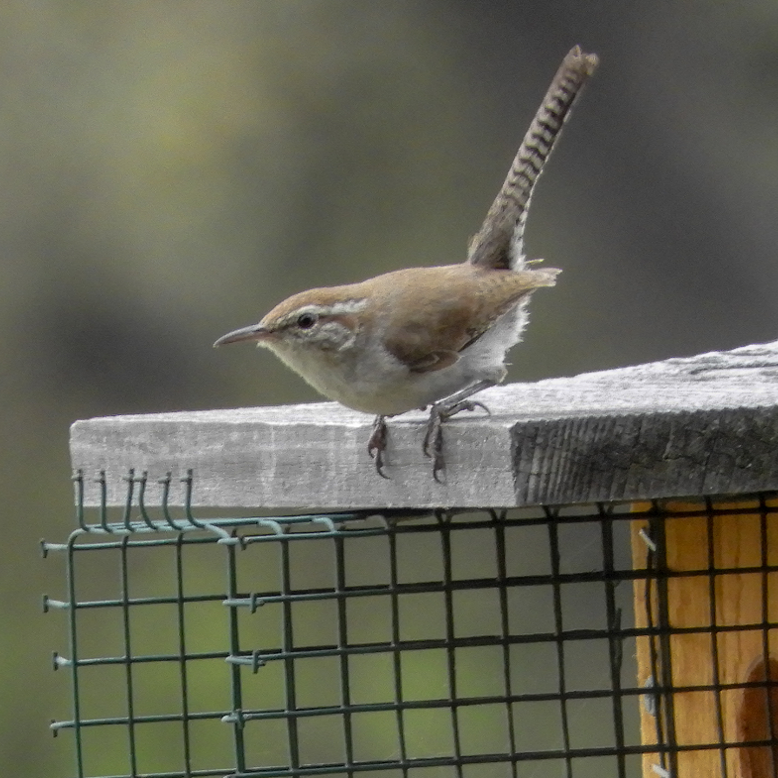
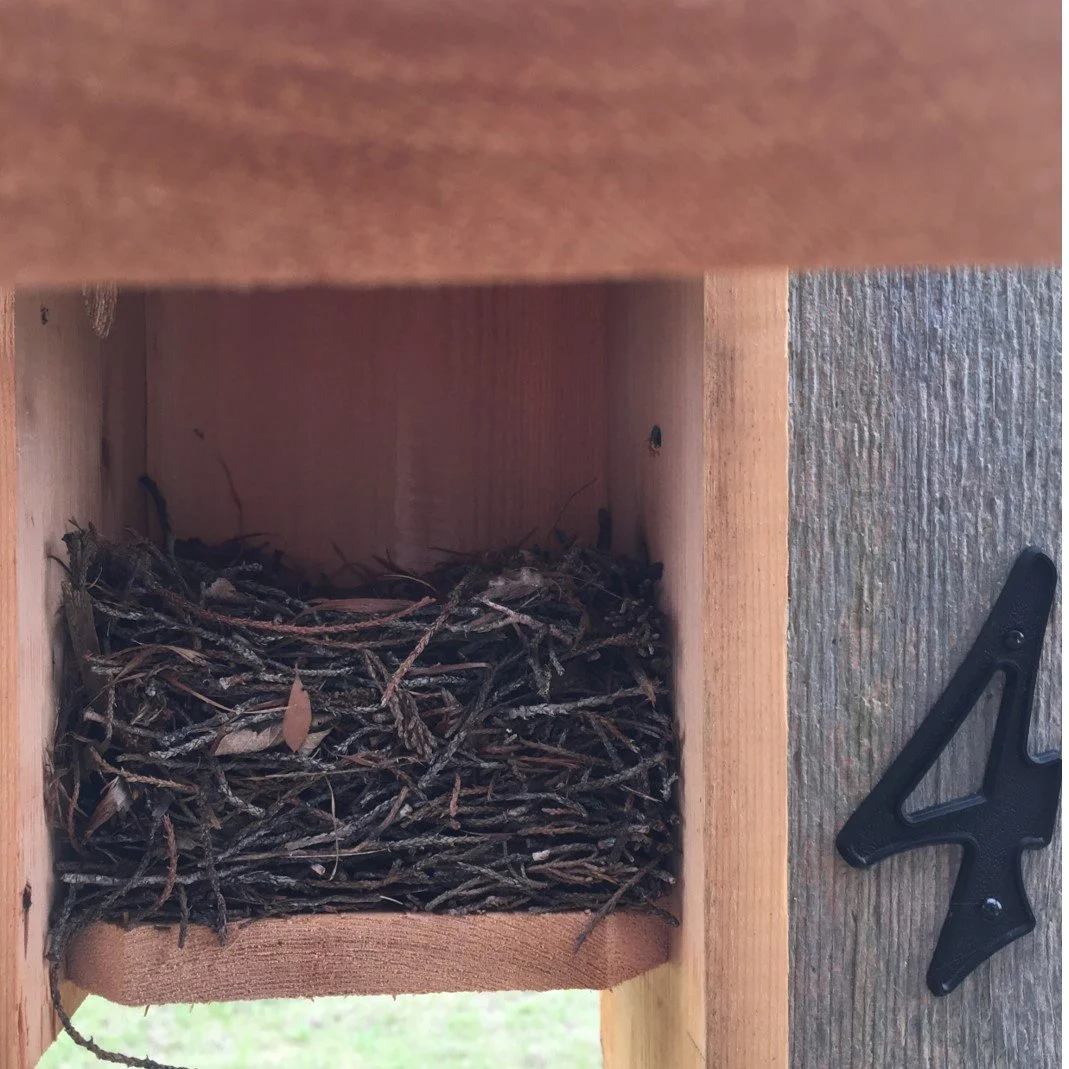
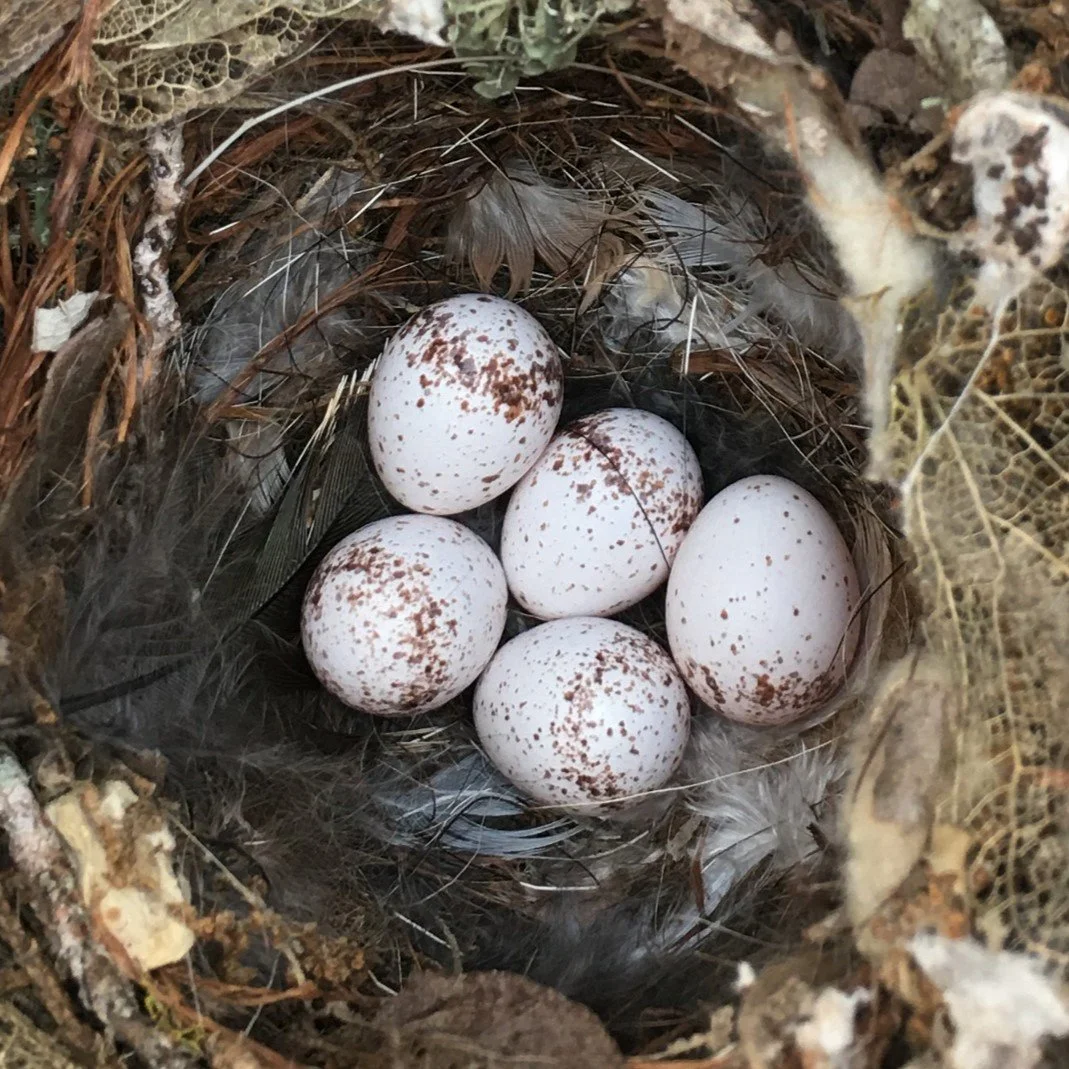
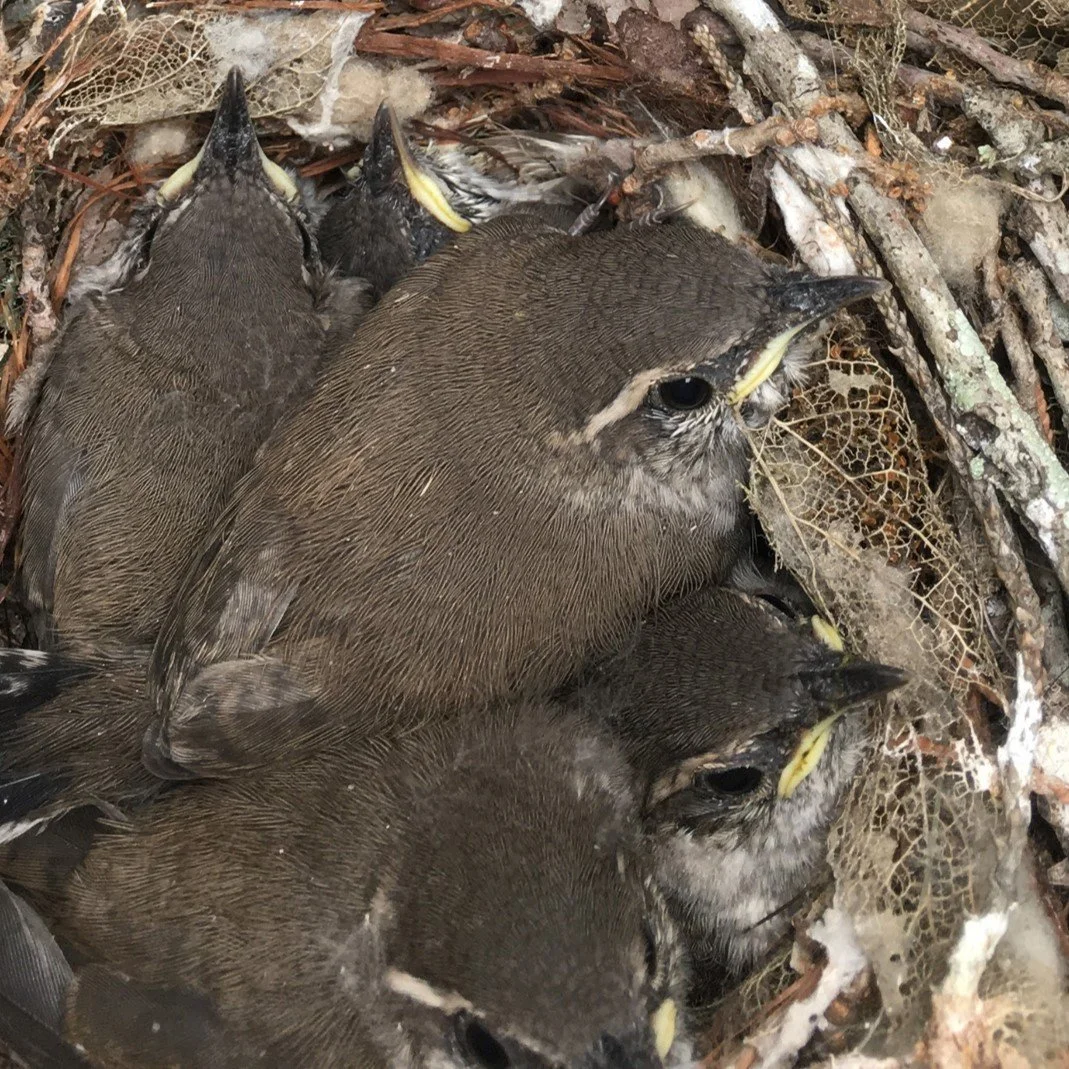
Bewick's Wren
Thryomanes bewickii
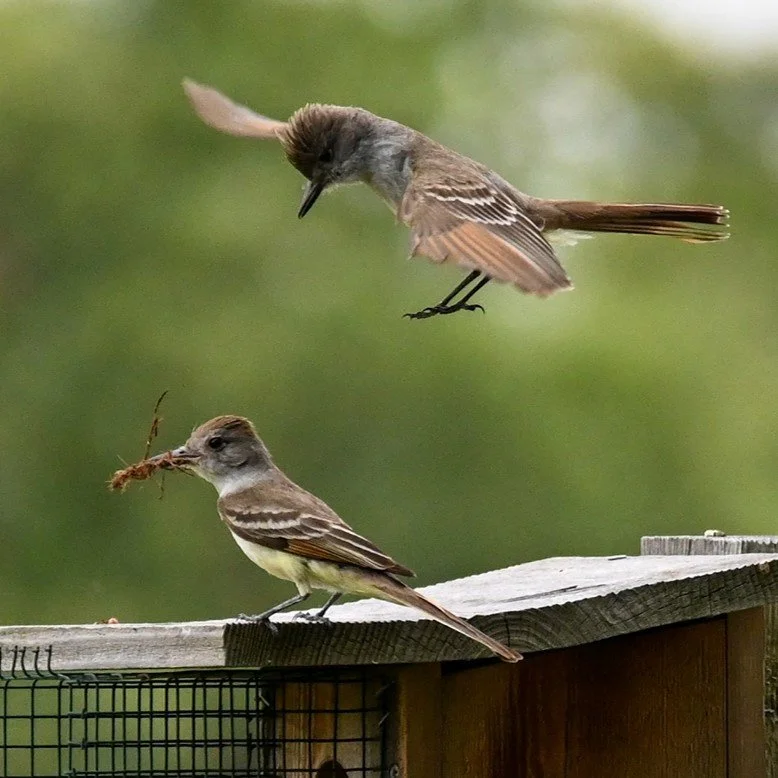
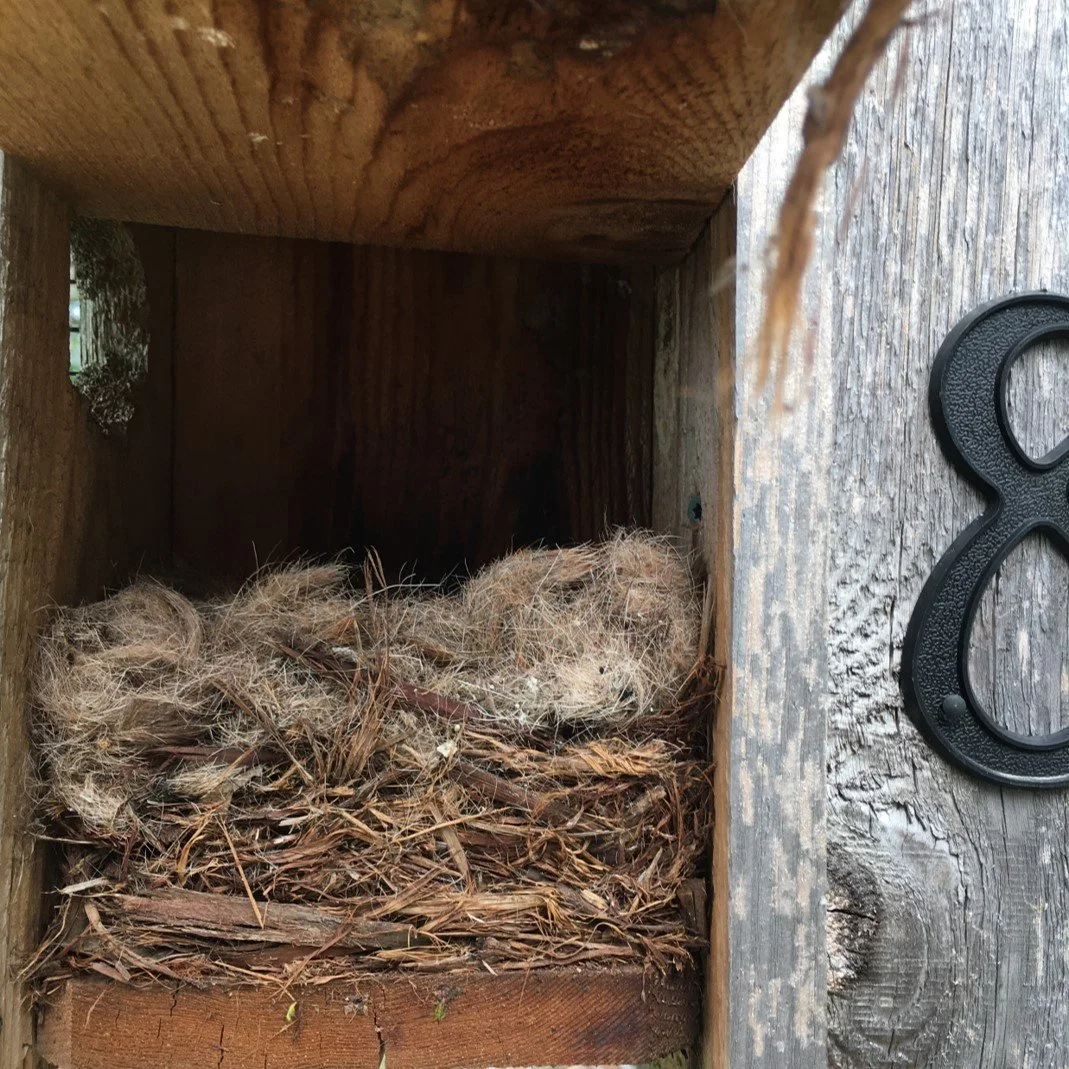
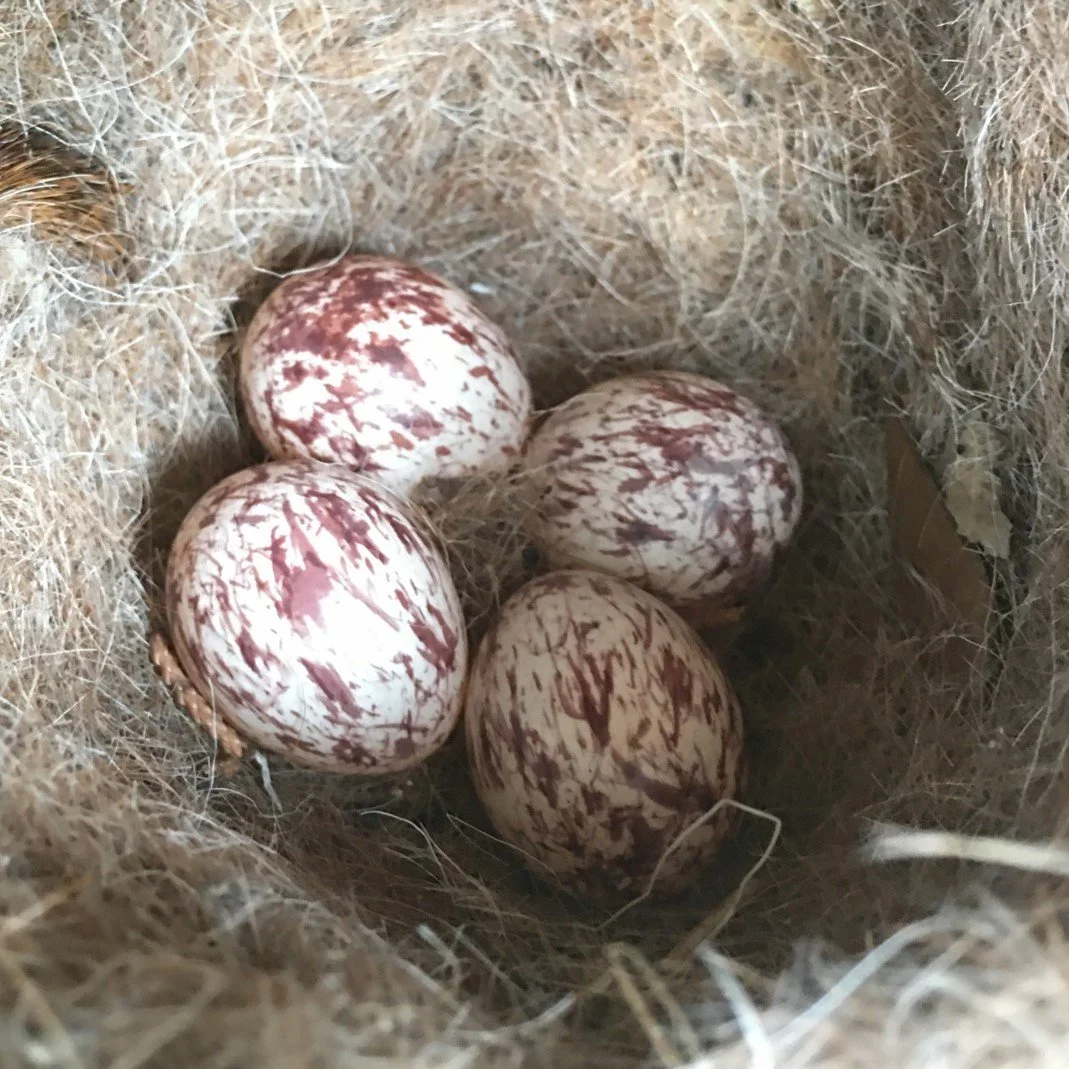
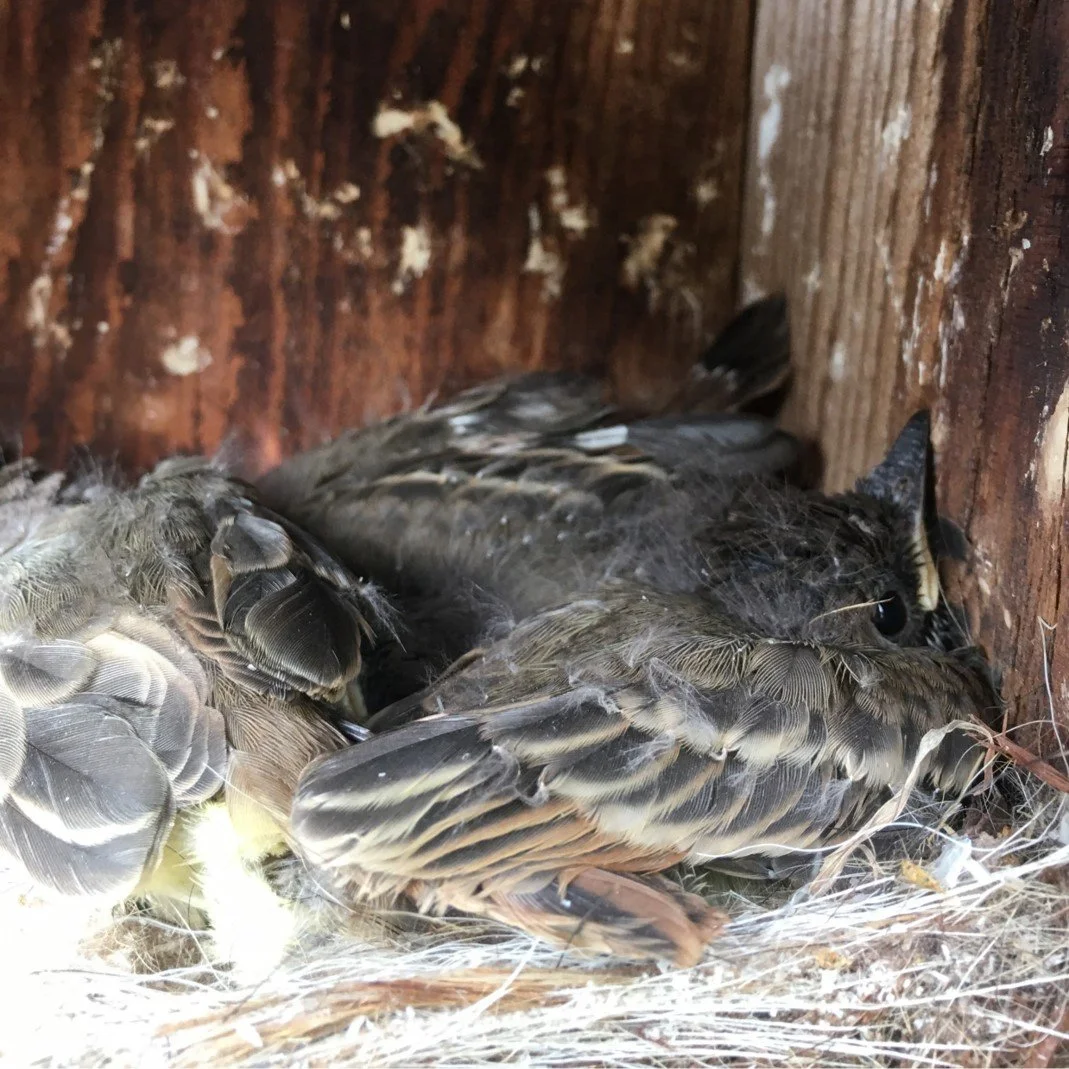
Ash-throated Flycatcher
Myiarchus cinerascens
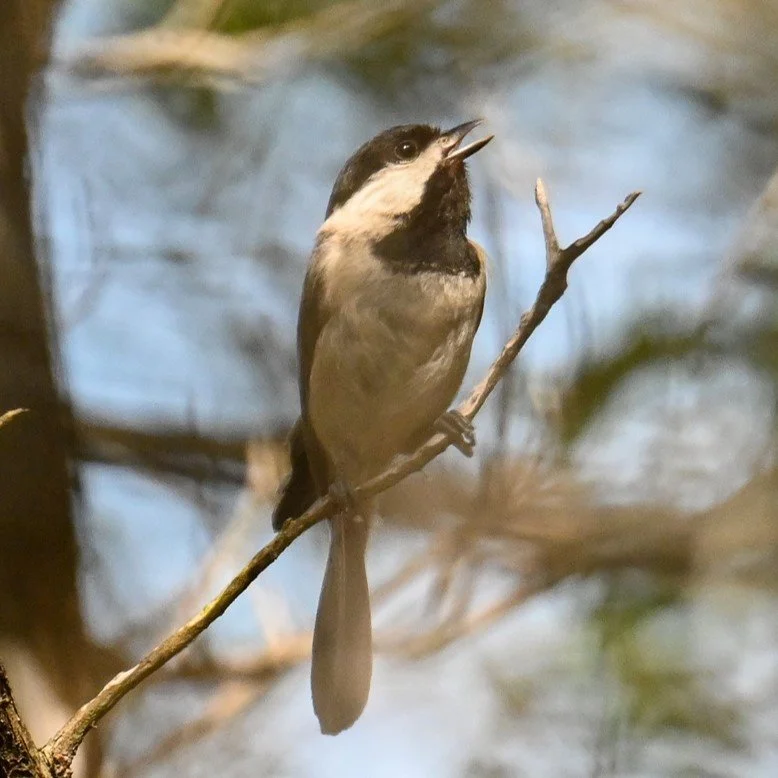
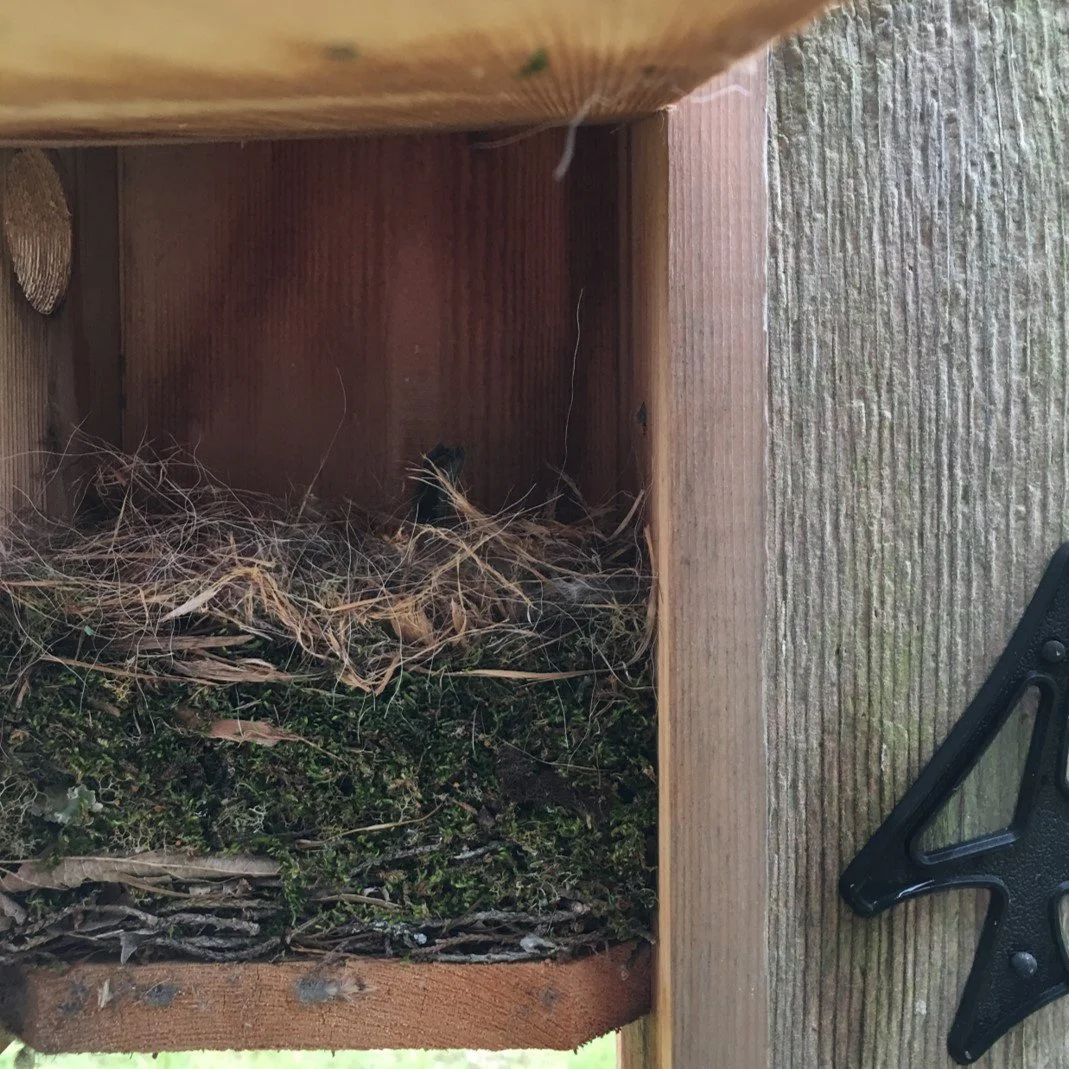
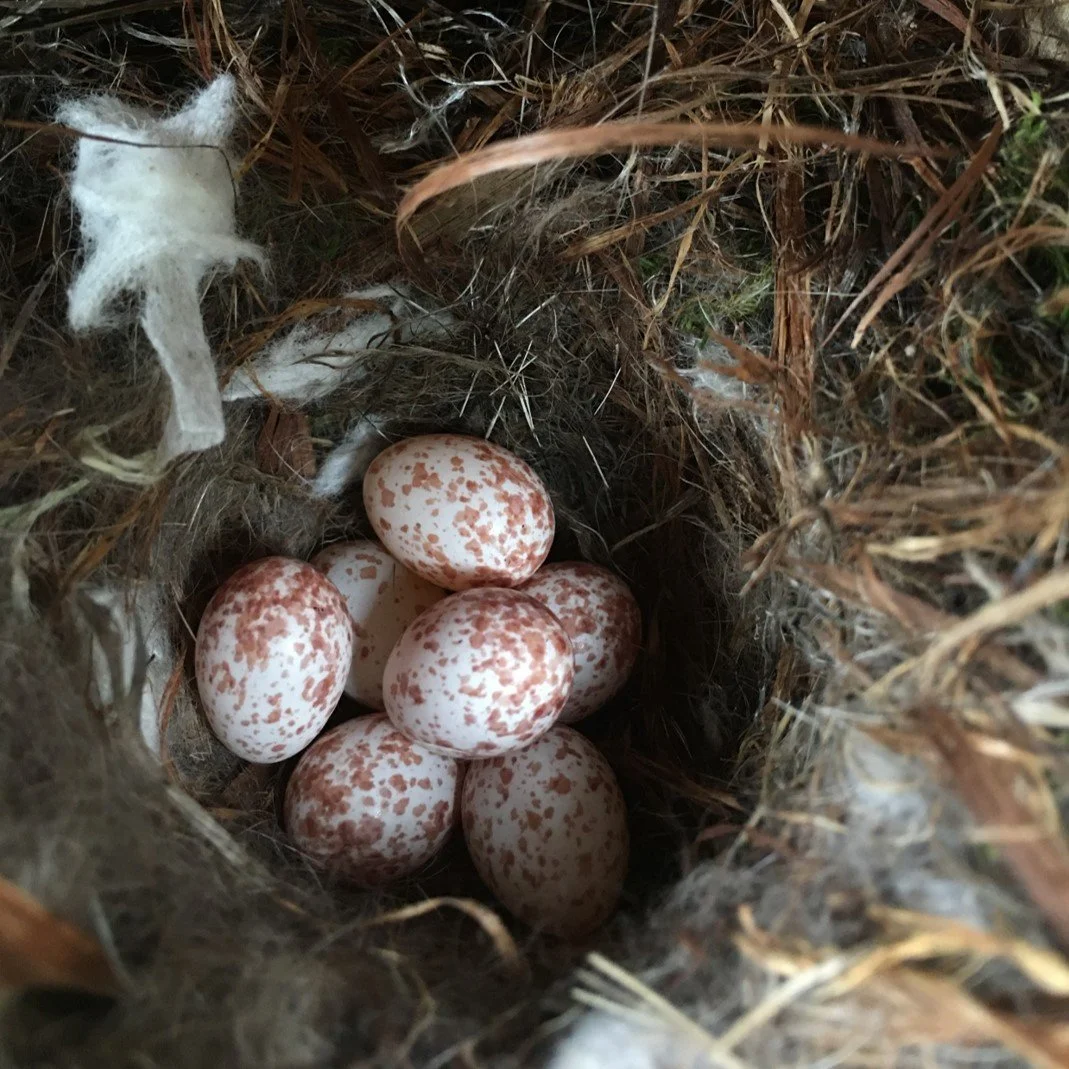
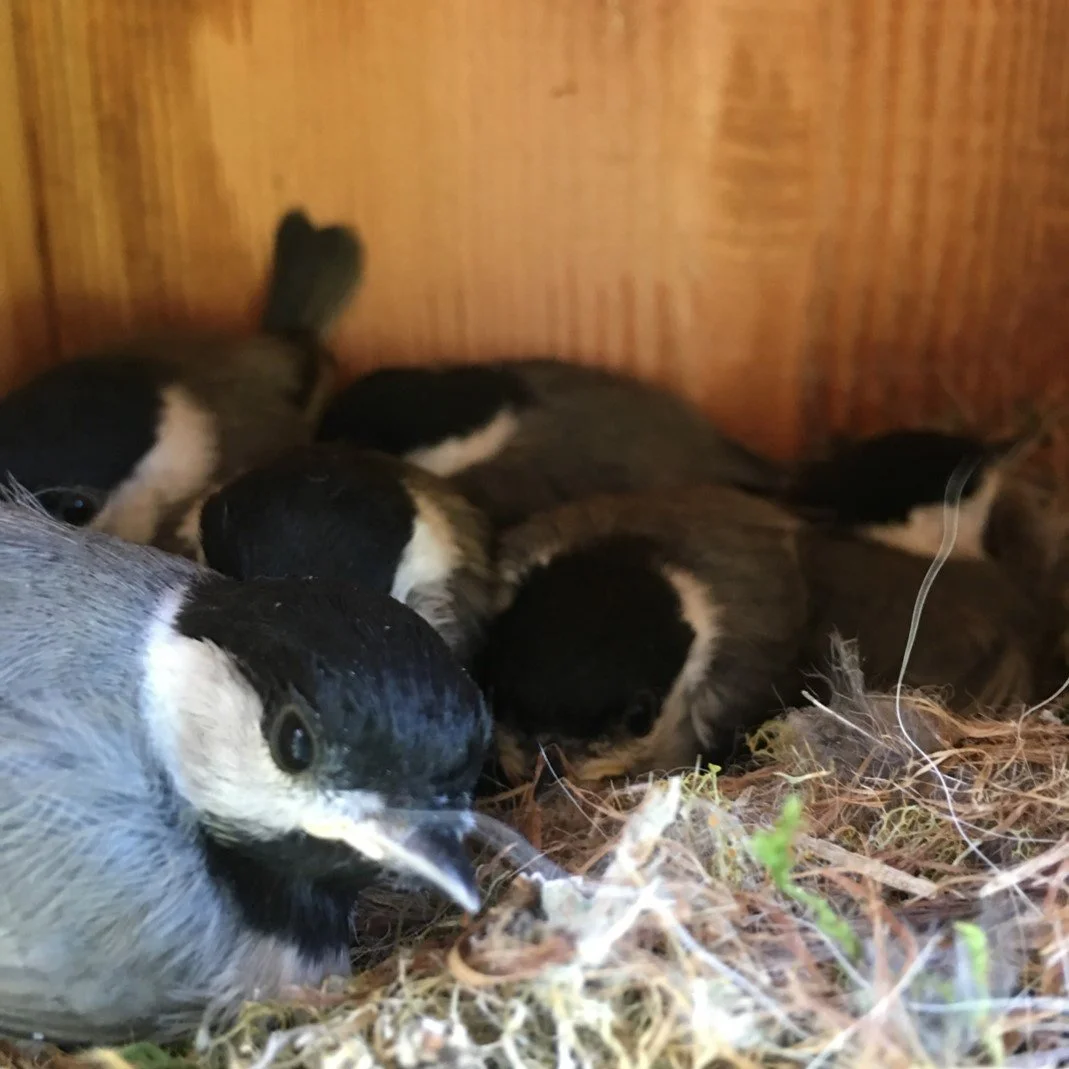
Carolina Chickadee
Poecile carolinensis
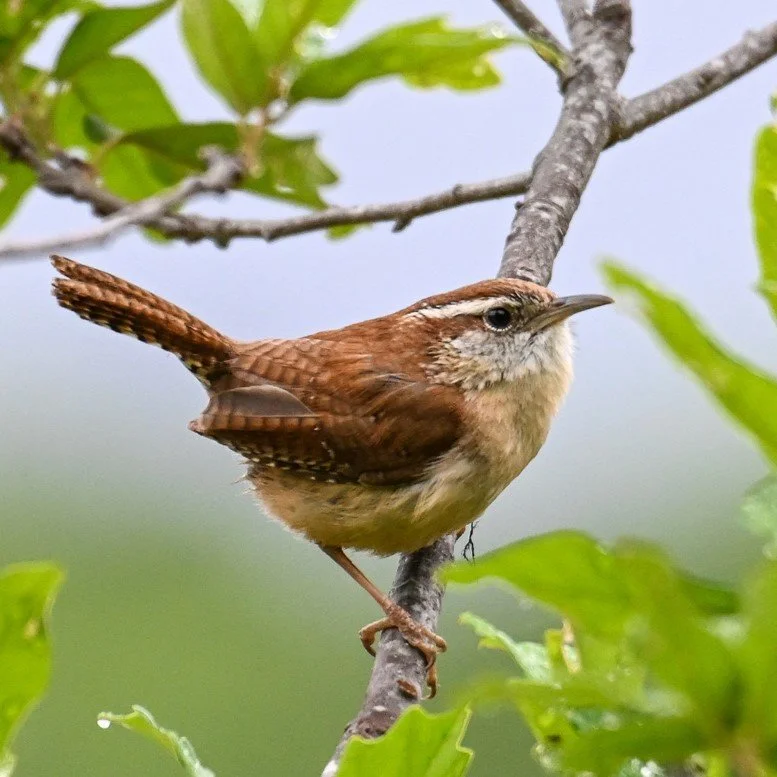
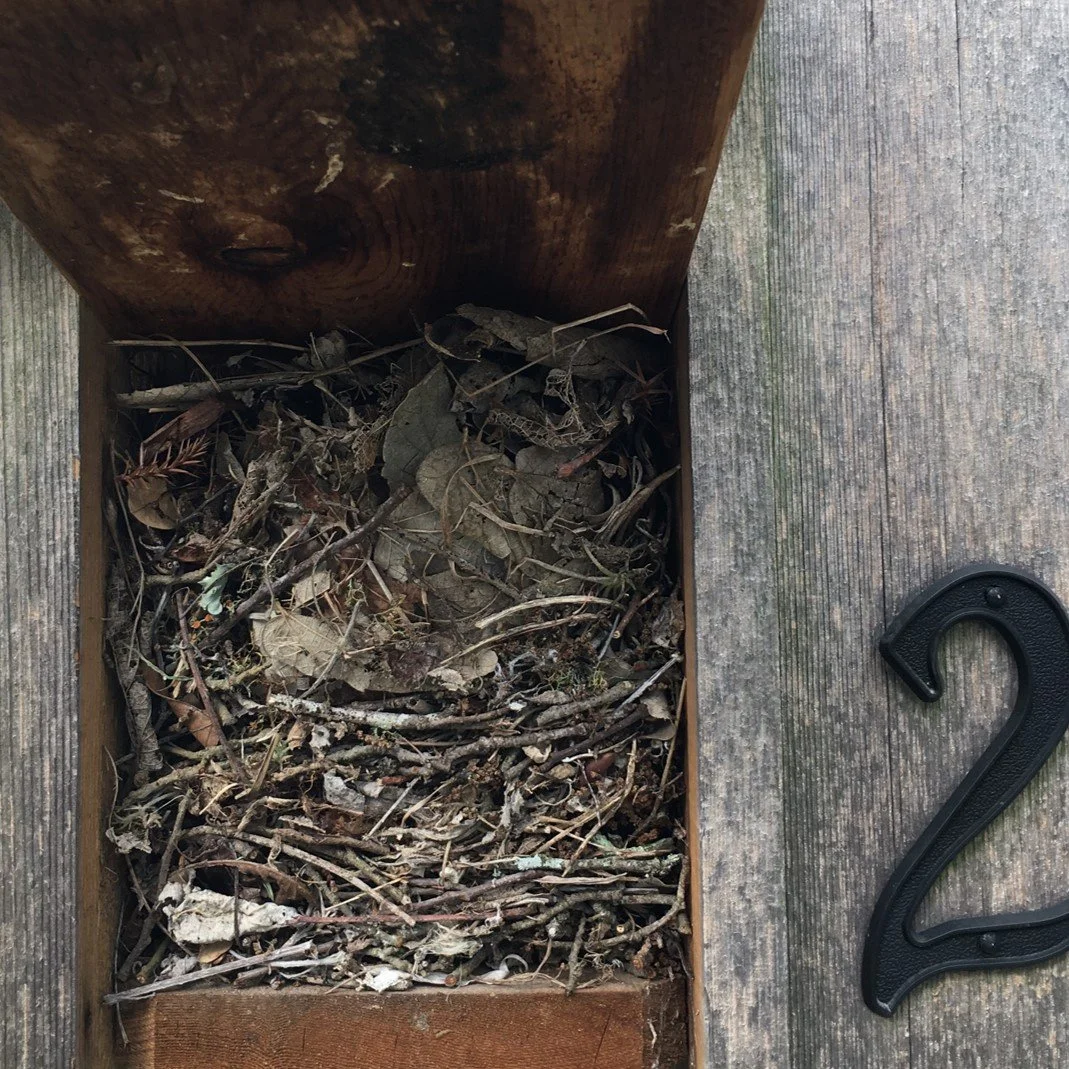
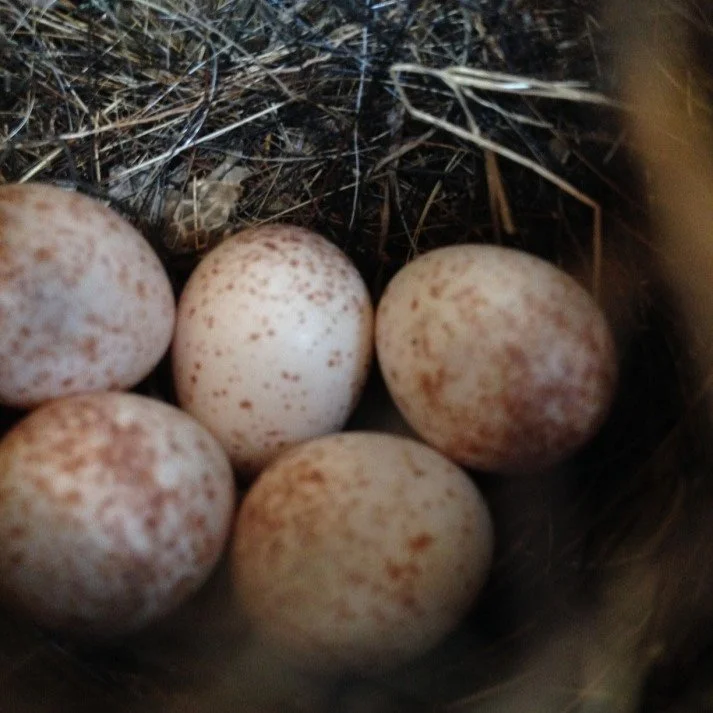
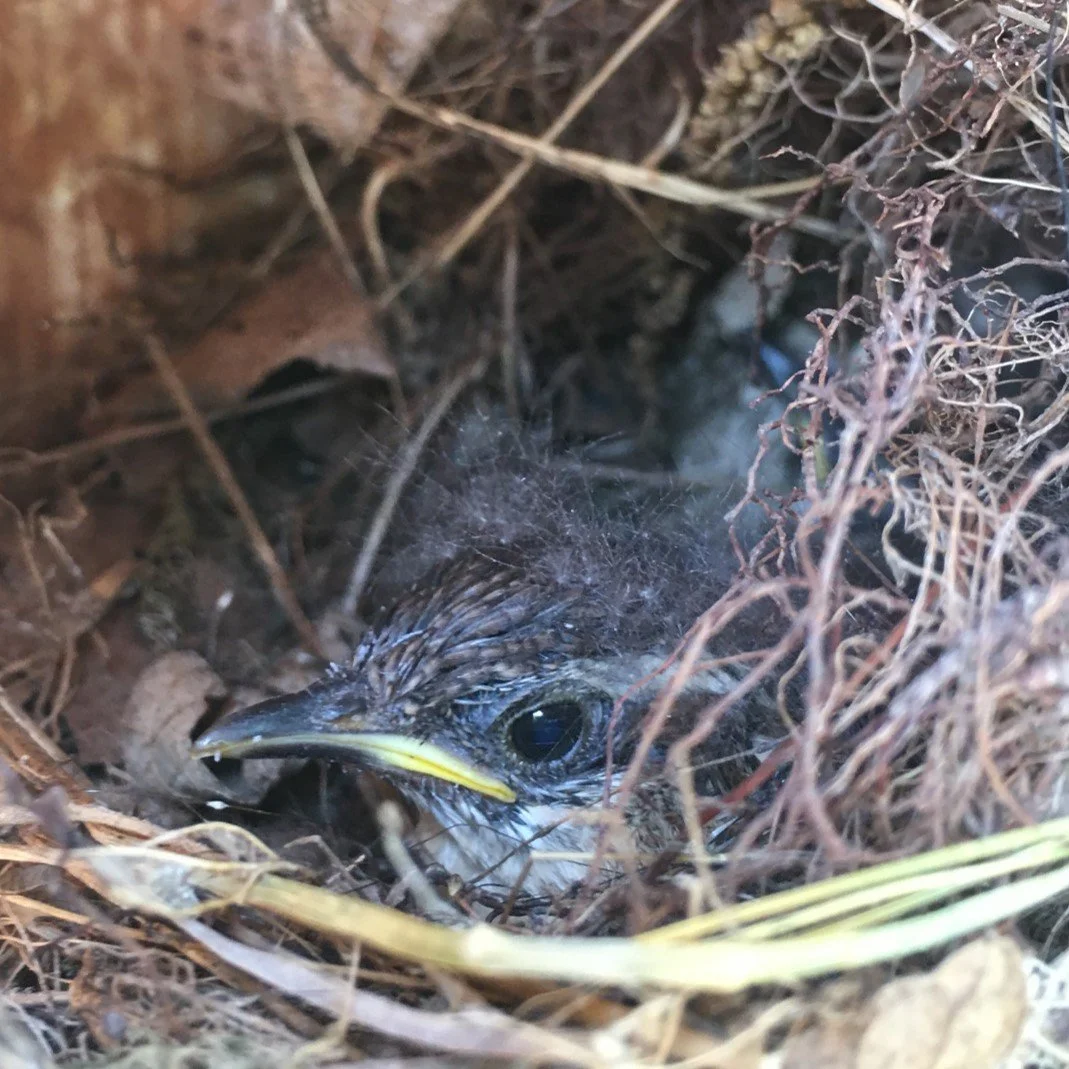
Carolina Wren
Thryothorus ludovicianus
Beyond the nest boxes, a wide variety of birds use natural cavities across the property. What follows are a few of those stories.
Life in a Dead Tree
It’s both interesting and educational to monitor birds in nest boxes, but I never miss a chance to watch for other nesting behaviors along the way. Cavity-nesting birds, like those shown above, also make use of old woodpecker holes, and they can offer some of the most fascinating birdwatching opportunities.
In early spring 2018, I noticed a flurry of activity—bluebirds, chickadees, woodpeckers—around a dead tree on the west side of the path at Jacob’s Well Natural Area, between the upper parking lot and “The Well.” A closer look revealed that several cavity nesters were investigating a woodpecker hole.
Eventually, the Ladder-backed Woodpecker claimed the site. After all, it was a woodpecker hole—perhaps they were the original architects.
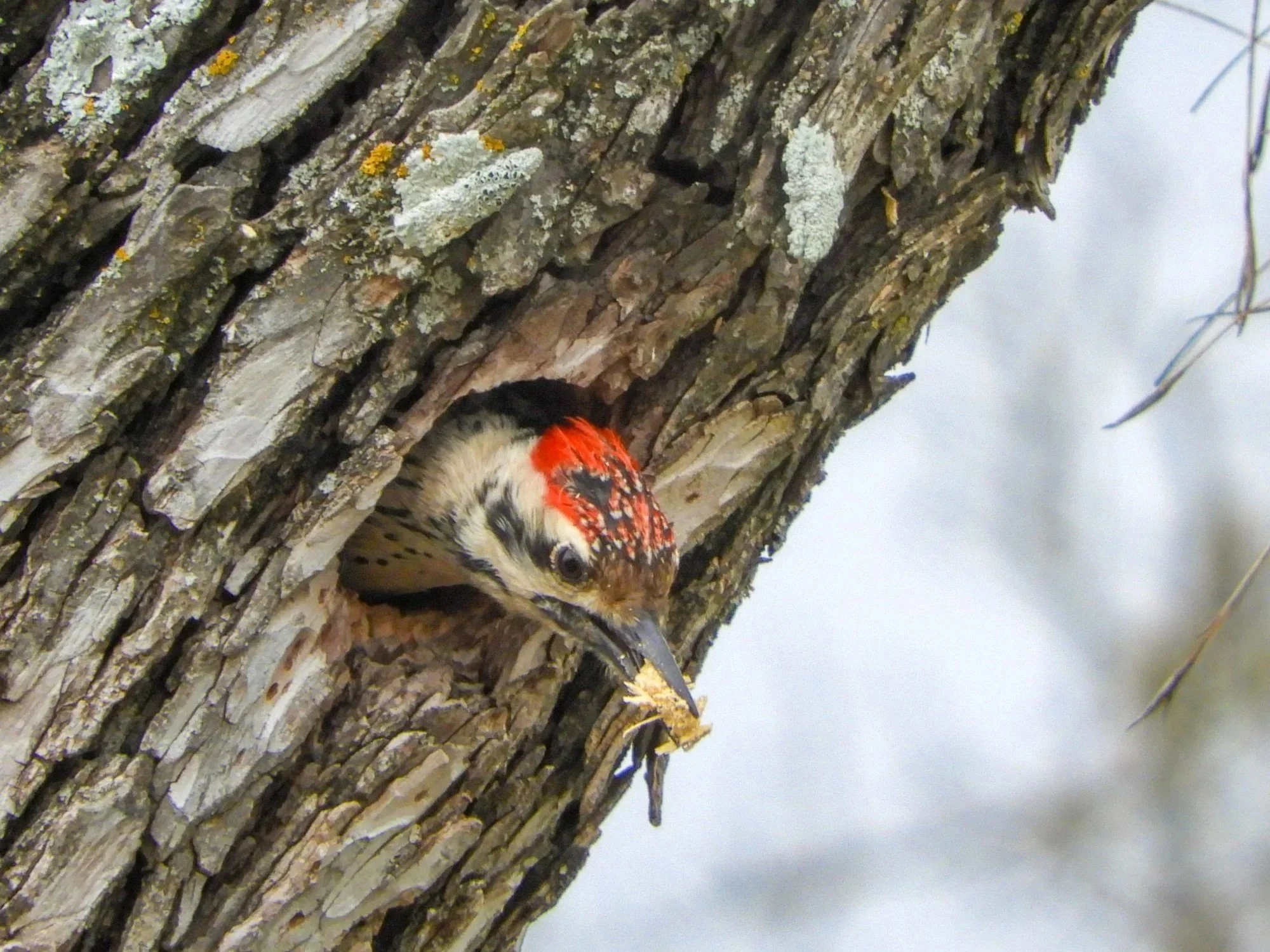
March 9—This photo is of the male Ladder-backed Woodpecker cleaning out the nest cavity. I photographed him weekly throughout the nesting cycle. Sometimes he was already peering out when I arrived; other times, if I waited quietly, he would fly in.
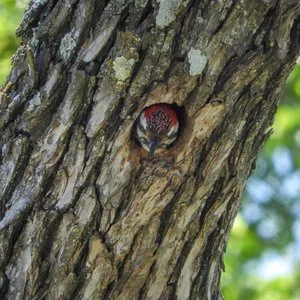
March 31—When he didn’t appear right away, I would make soft clicking sounds until he poked his red-capped head out to investigate. He was never camera-shy.
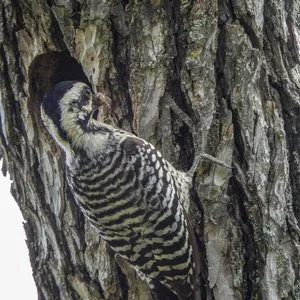
April 13—At last, I photographed the female delivering food to the nestlings. Their chirping was clearly audible from within the cavity as she arrived.
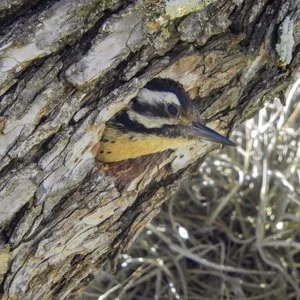
April 22—This final photo was likely the female at the nest. I wasn’t able to witness the fledglings leaving the cavity.
A New Tenant
In spring 2019, a new tenant moved into the same tree.
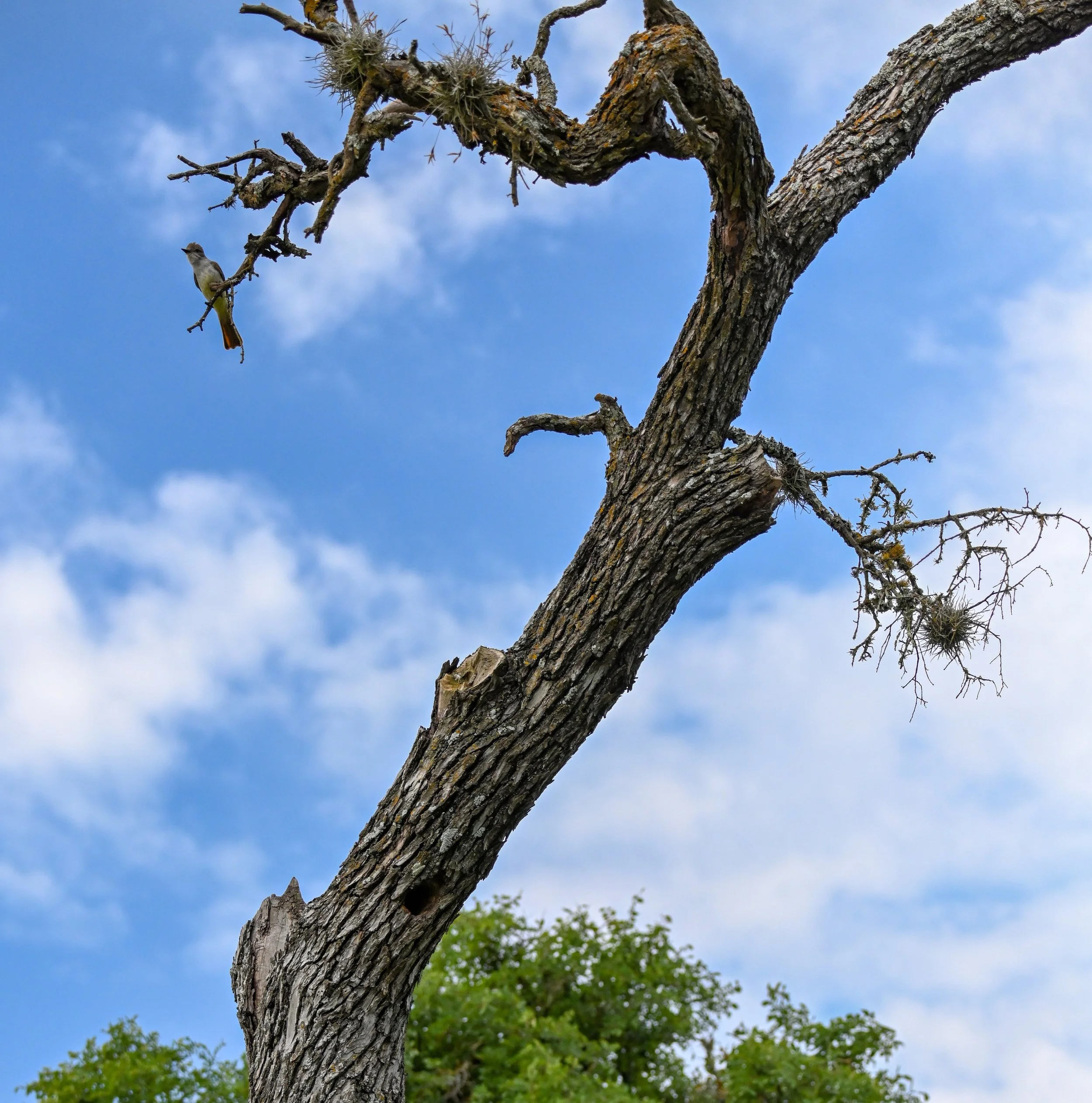
A closer look revealed an Ash-throated Flycatcher using nearby branches as staging perches.
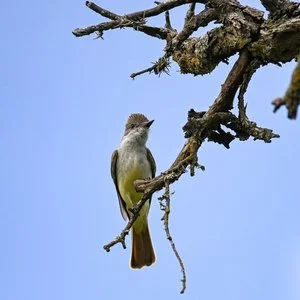
One bird would arrive first, appearing to stand watch, scanning the landscape.
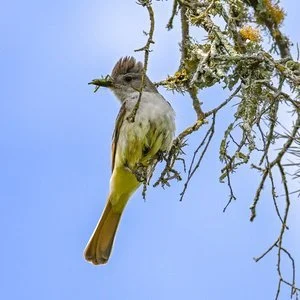
The second would follow with food, pausing briefly…
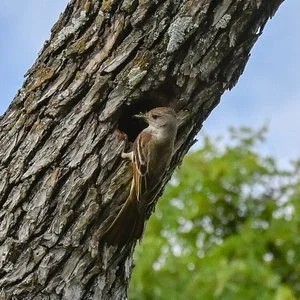
…perhaps assessing the risk of predators before gliding down to feed the nestlings.
Another Year, Another Story
In spring 2020, an Eastern Bluebird pair claimed the same tree. At one point, I observed the male defending the cavity from an Ash-throated Flycatcher.
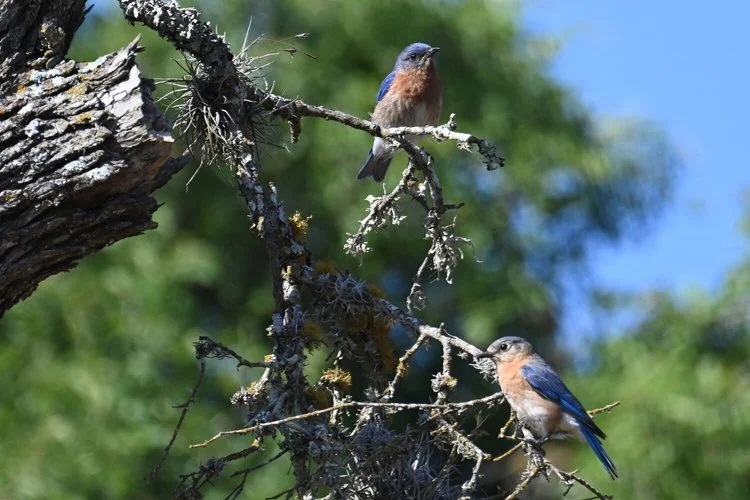
May 10—The male brings the female to inspect the cavity. From a nearby perch, they study the surroundings while she considers the site.
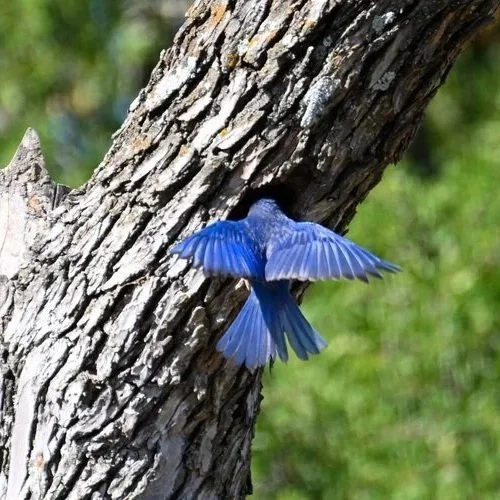
The male flies down to enter the hole, showing off his flashy blue beauty.
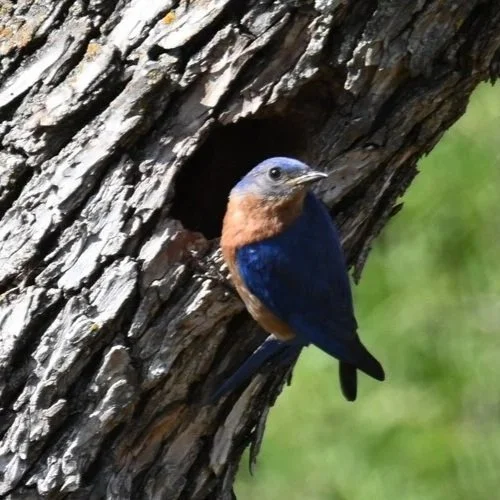
He looks back, as if inviting her to join him. She does, and soon they begin building a nest of loosely woven grasses. She will lay several eggs, one per day, delaying incubation until the clutch is complete.
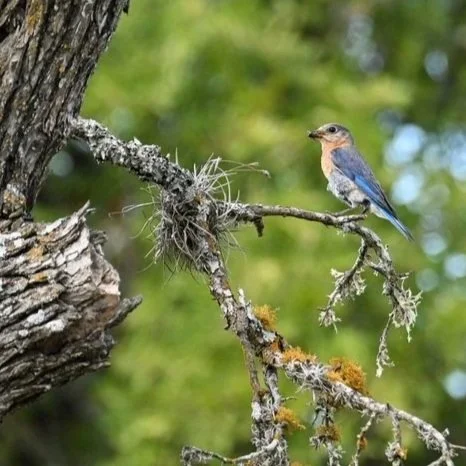
June 14—More than a month later, the pair is actively tending the nest. The female pauses briefly before delivering food to the nestlings.
Shared Spaces
I’ve had the opportunity to document a variety of bird species using old woodpecker cavities in dead trees at Jacob’s Well Natural Area: bluebirds, woodpeckers, chickadees, and flycatchers. The level of activity, and the diversity of species relying on these cavities, is remarkable.
As long as a standing dead tree does not pose a safety concern, it should be left in place. These trees provide essential nesting habitat for a wide range of birds.
What makes these cavities even more compelling is that they are rarely used by just one species. Over time, a single woodpecker hole can serve multiple tenants, each arriving in its own season, and each leaving behind a different story.
In the following series, three species—the Ladder-backed Woodpecker, Golden-fronted Woodpecker, and Eastern Bluebird—all make use of the same cavity at different times.
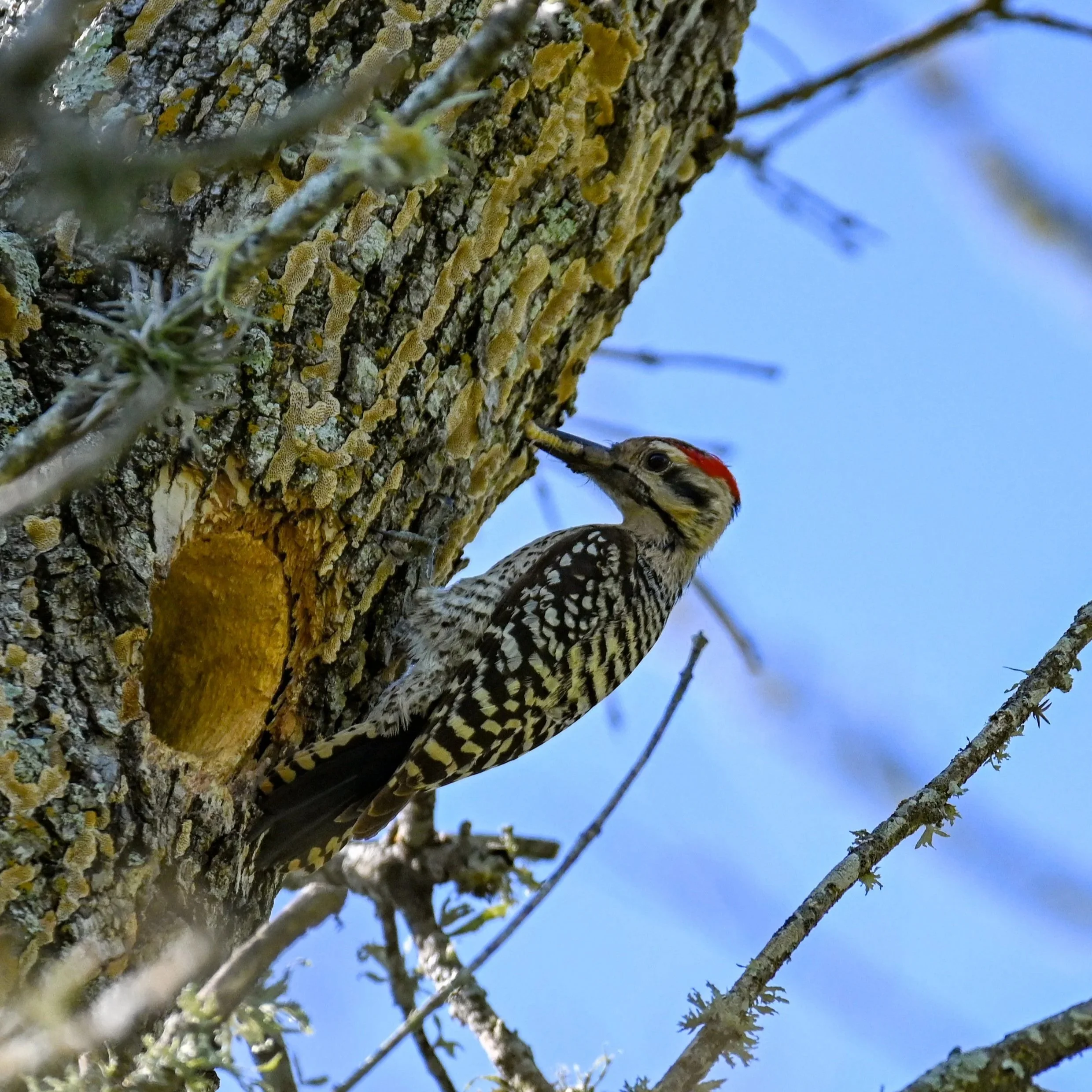
Ladder-backed Woodpecker (male)
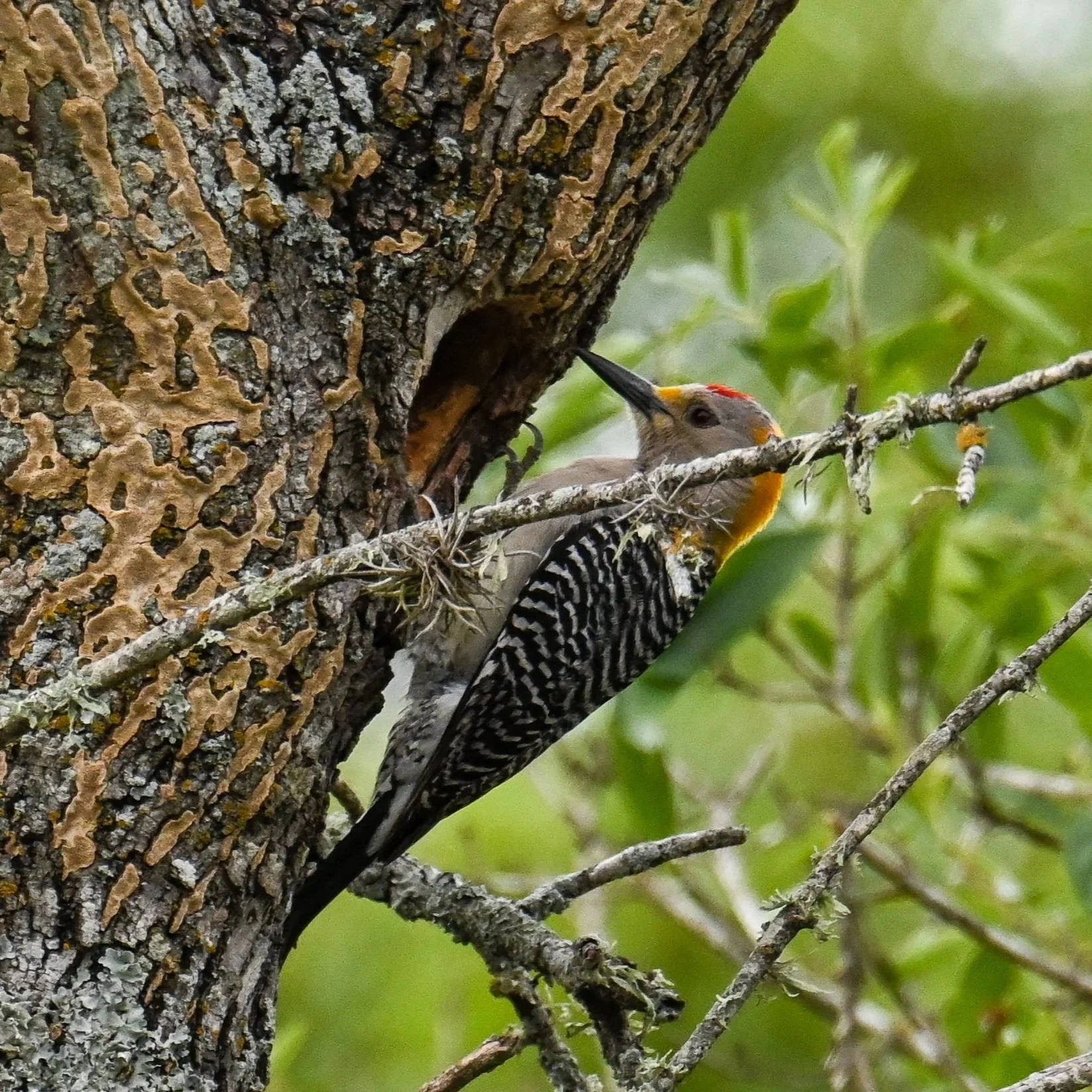
Golden-fronted Woodpecker (male)
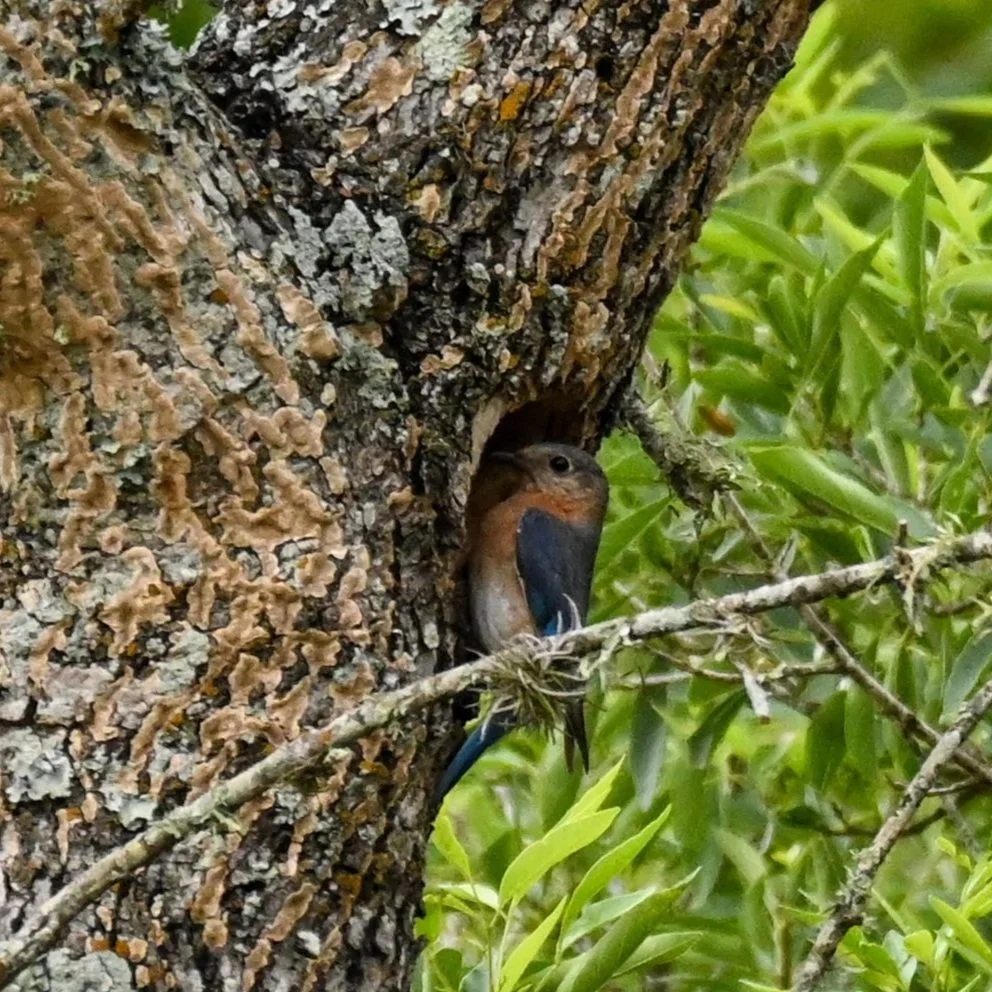
Eastern Bluebird (male)
Closing Reflection
Whether in a carefully placed nest box or a weathered cavity in a standing dead tree, birds are constantly searching for safe places to raise their young. What we’ve learned through monitoring and observation is simple: when we provide or preserve the right conditions, birds respond.
Nest boxes give us a window into their world. But dead trees, shaped over time by decay and discovery, offer something just as valuable—natural spaces where multiple species can find shelter, return year after year, and carry on the work of survival.
Sometimes, the best thing we can do is leave a dead tree standing. And sometimes, it’s to step in with purpose, placing and monitoring nest boxes through efforts like Project 702 to support species such as the Eastern Bluebird and the habitats they depend on.
These places—boxes, trees, and the spaces in between—remind us that even small, intentional actions can support a remarkable diversity of life.