Pollinators Make It Happen - Revisited
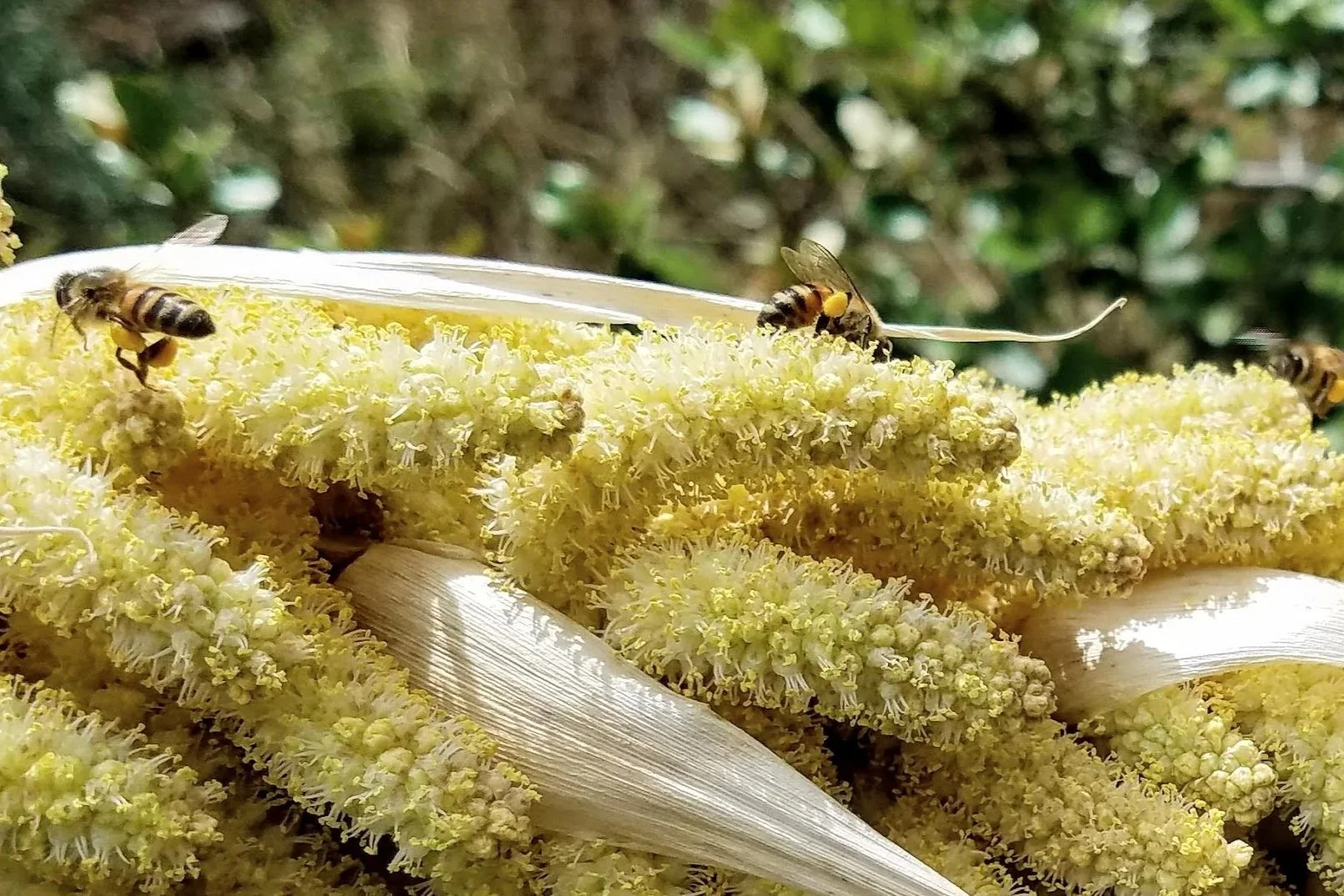
Photo courtesy Mimi Cavender
In May 2022, we published our first online HELM article, Pollinators Make It Happen, by Christine Middleton. Since then, Christine has authored 21 HELM-focused articles—an impressive contribution to Habitat Enhancing Land Management in our chapter. We’re pleased to revisit this original piece for our readers. —Betsy Cross
“Earth laughs in flowers.” —Ralph Waldo Emerson
Christine Middleton
Soon, with a little helpful rain, beautiful wildflowers will be popping up around your property. Most flowering plants depend on animals to move pollen around so we can enjoy flowers again next year. Butterflies, bees, and hummingbirds aren’t the only pollinators. Beetles, as well as flies and other insects, also move pollen from flower to flower.
A majority of pollinators seek flowers for their sugary nectar. Then, inadvertently, they carry pollen from one flower to another. While bees feed on nectar, they are one of the few flower lovers who actively seek pollen. They collect and purposefully transport pollen in order to feed their young.
Most pollinating beetles don’t feed on nectar, preferring plant parts instead. Other insects, including ants, wasps, flies, and mosquitoes, also pollinate some flowers. And night-blooming flowers generally depend on bats and moths. So let’s appreciate the important role pollinators play through the “free” ecosystem services they provide!
Food for Caterpillars
Just about everyone loves butterflies, so let’s start there. Butterflies are caterpillars before they turn into beautiful winged creatures. Female butterflies choose where to lay their eggs based on what their caterpillars will need to eat once they hatch. Just as there are lots of different butterfly species, there is a wide range of native plants that host caterpillars.
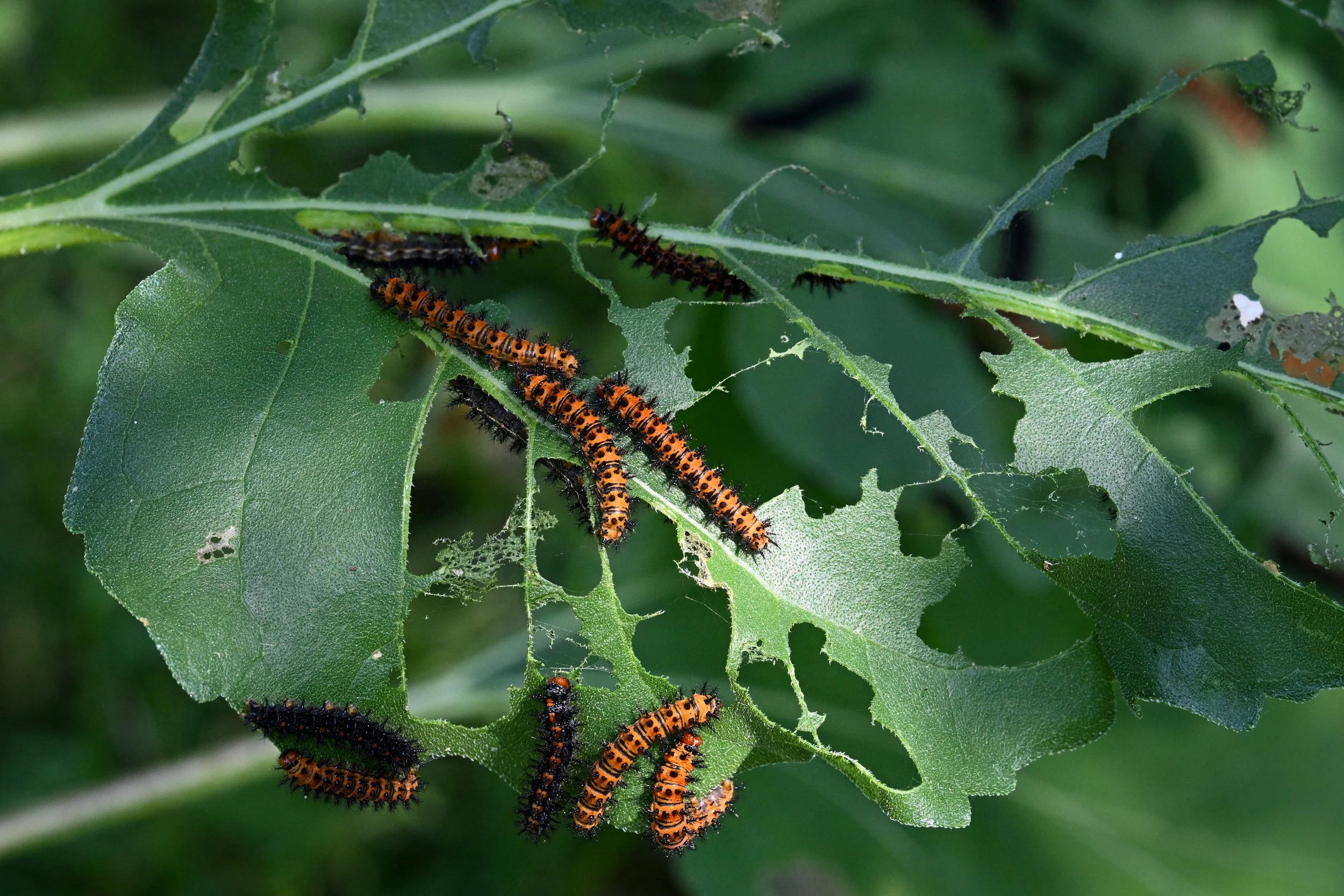
Borderd Patch Butterfly caterpillars on common sunflower Photo courtesy Betsy Cross
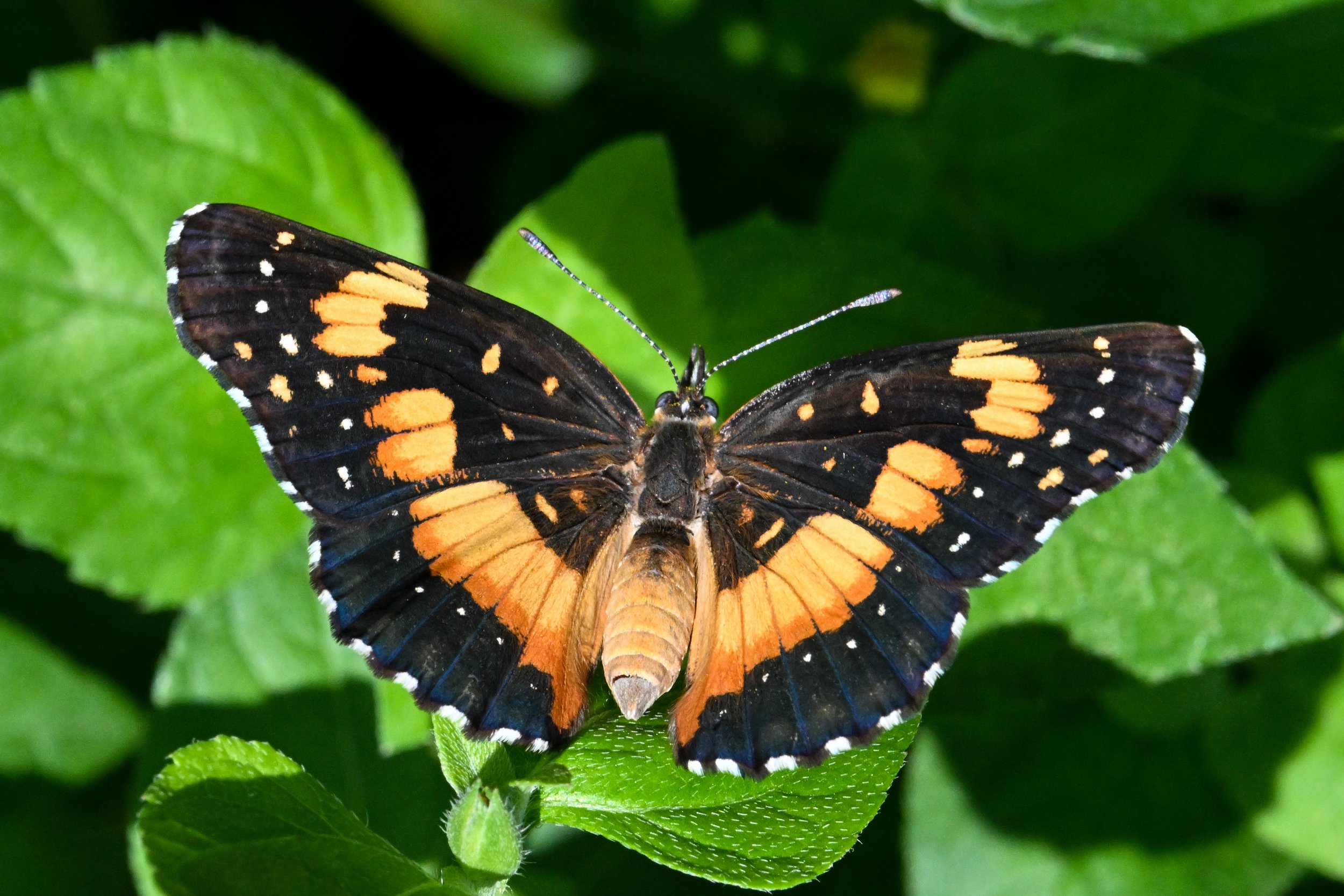
Bordered Patch Butterfly Photo courtesy Betsy Cross
Some butterflies and moths are “polyphagous,” meaning they utilize a variety of different host plants. Others are considered “oligophagous,” meaning they depend on a limited number of larval hosts and sometimes just one specific species. Thus, the absence of that specific plant or plant group can mean that particular species of butterfly and its caterpillars won’t be present in that area’s ecosystem.
You are probably thinking right now about Monarch butterflies and milkweed, so let’s start there. The fact that monarchs need milkweed as they migrate north from their winter home in Mexico is widely understood. You are probably familiar with Antelope Horns (Asclepias asperula). There are two less conspicuous milkweeds you might also see growing wild: Pearl Milkweed Vine (Matelea reticulata) and Zizotes Milkweed (Asclepias oenotheroides). There are more species of milkweed native to Central Texas. Here’s a link to the Wildflower Center’s list of milkweed found in Central Texas.
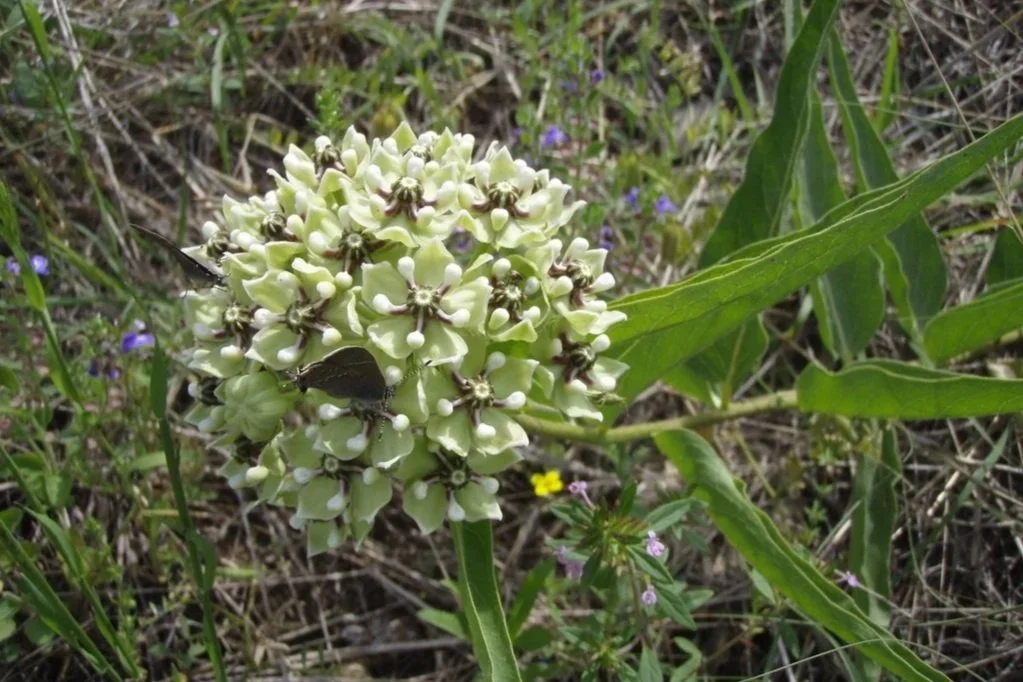
Antelope Horns Milkweed (Asclepias asperula) Photo courtesy Christine Middleton
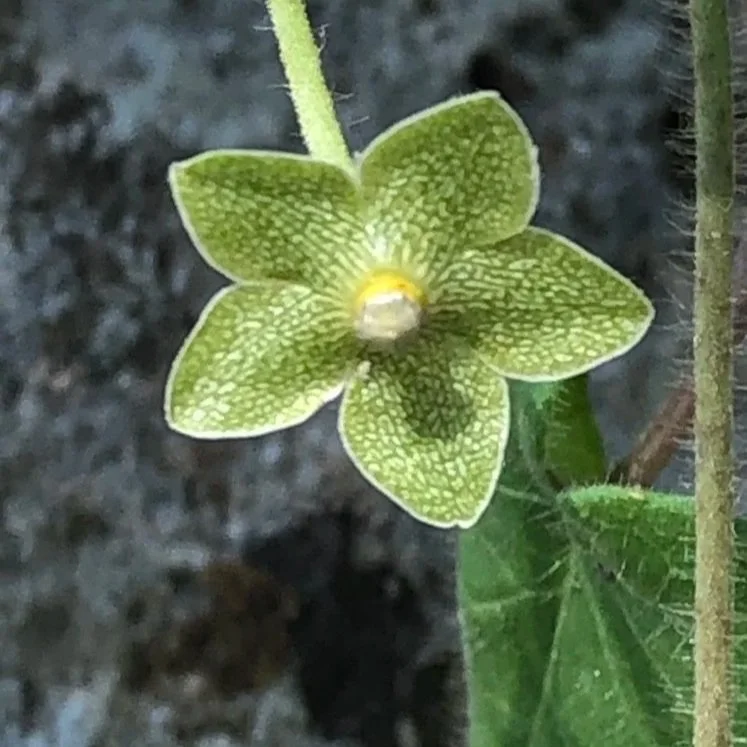
Pearl Milkweed Vine (Matelea reticulata) Photo courtesy Christine Middleton
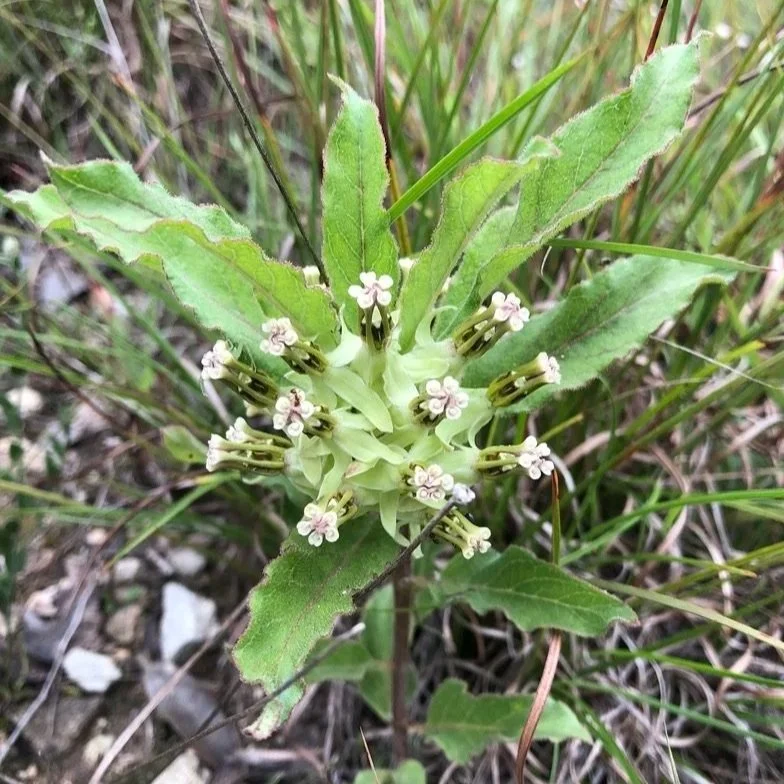
Zizotes Milkweed (Asclepias oenotheroides) Photo courtesy Christine Middleton
Lots more caterpillars hatch than make it to adulthood because they are quite a nice, juicy snack. You’ve probably noticed other bugs nibbling on Antelope Horns. Is that a problem? Or is such popularity a good thing? Scientists studying these interactions were actually surprised to find monarch caterpillars are more likely to survive on milkweed they share with other non-predatory insects. While that sounds counterintuitive, it actually makes sense. If potential predators have more to choose from, a larger number of monarch caterpillars survive long enough to go through metamorphosis and delight us by turning into butterflies.
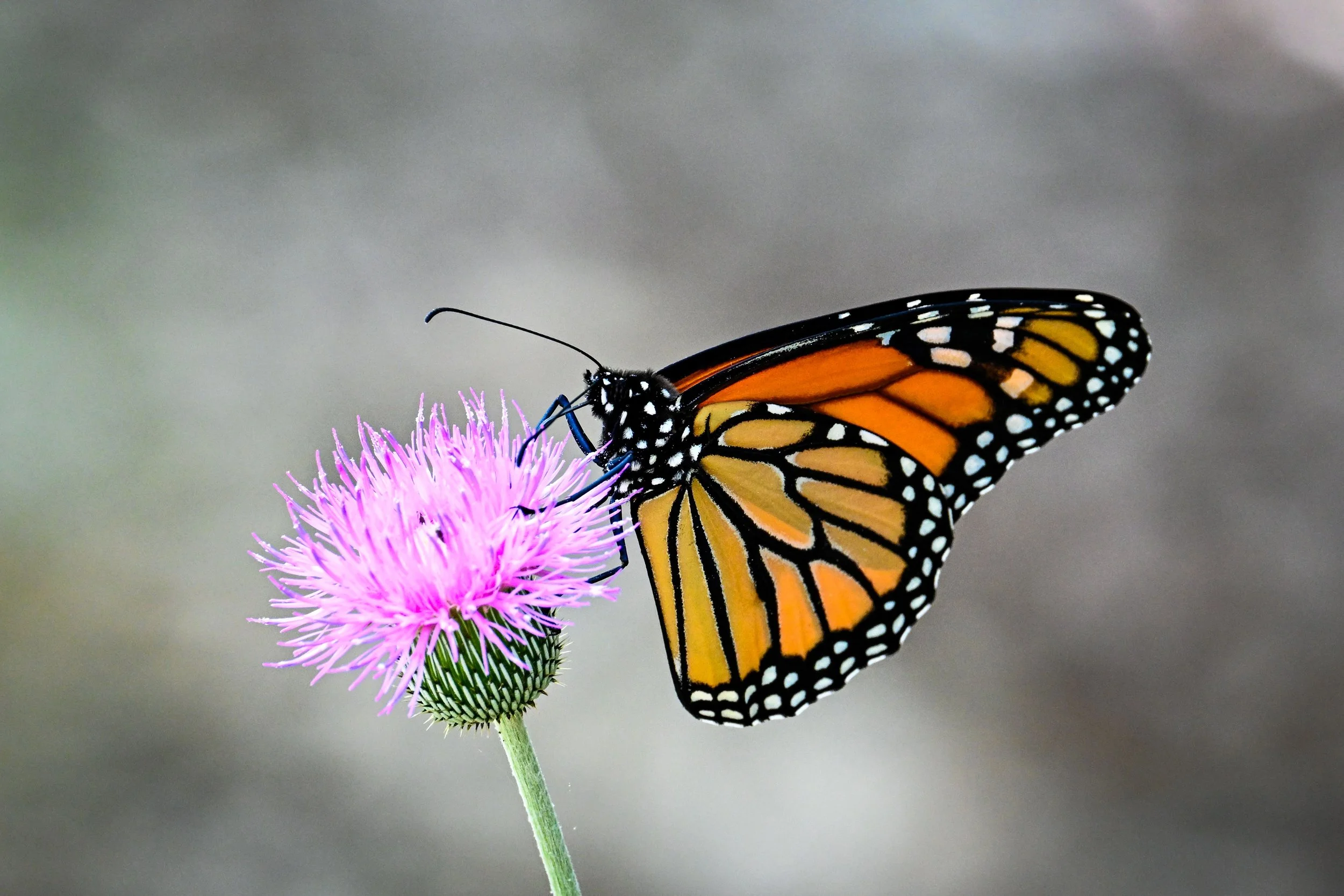
Monarchs often use Texas thistle for nectaring during their spring migration through Central Texas. Photo courtesy Betsy Cross
But let’s not limit our thinking to just monarch caterpillars. There are lots of other kinds of caterpillars, only some of which will become butterflies. Others turn into moths and skippers. But why are caterpillars so important? Doug Tallamy observed in his book Nature’s Best Hope, “Caterpillars are the mainstay of most bird diets in North America, particularly when birds are raising their young.” Tallamy goes on to note that most of a caterpillar’s body is digestible food, and caterpillars’ bodies are more nutritious than other insect bodies. One could say caterpillars provide more “bang for the buck.” For example, one caterpillar is equal to 200 aphids. And think about this: many birds forcefully stuff food down a nestling’s throat—something more easily done with soft caterpillars than, say, a beetle with a hard exoskeleton.
You might be surprised by the wide range of plants that host caterpillars. And keep in mind that many of these same plants are loved by other pollinators. Twistleaf Yucca (Yucca rupicola) hosts two species of giant skippers. Texas Thistle (Cirsium texanum) is host to Painted Lady and Mylitta Crescent butterflies. Bluebonnets (Lupinus texensis) host Gray Hairstreak and Eastern Tailed-Blue butterflies. In terms of wildflowers, the lead contenders are Solidago (goldenrods) with 82 species and Helianthus (sunflowers) with 81 species.
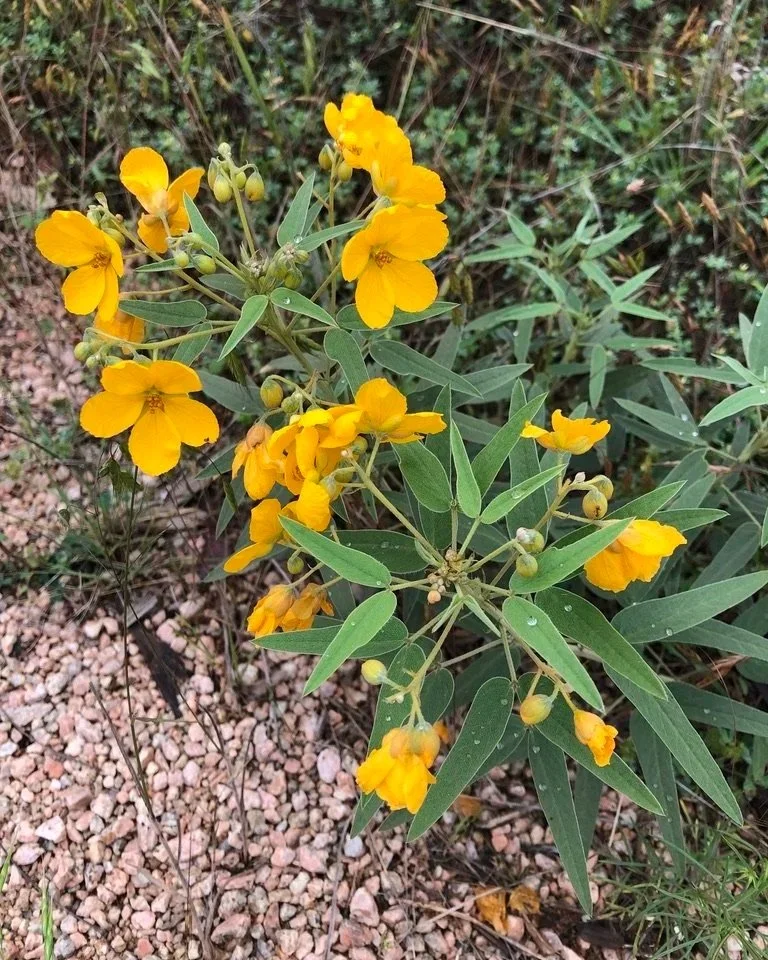
Twoleaf Senna (Senna roemeriana) Photo courtesy Christine Middleton
Here’s one host plant you might see flowering on your property—Twoleaf Senna (Senna roemeriana). The plant is pretty inconspicuous—no more than 1–2 feet tall. But it is relatively easy to identify even if it is not flowering. That’s because Twoleaf Senna has very distinctive leaves divided into just two leaflets, as its name suggests. Twoleaf Senna hosts Sleepy Orange and Cloudless Sulphur butterflies—two of the little yellow butterflies we often see. And this plant has an added benefit. It’s a member of the pea family, which means it is a nitrogen fixer. And as every good gardener knows, nitrogen fixers are good for the soil.
But don’t just focus on wildflowers. Oak trees actually host the most caterpillars—a total of 486 different species in our area. Ashe Juniper (Juniperus ashei) is host to Juniper Hairstreak butterflies. Then there are vines like Old Man’s Beard (Clematis drummondii), which hosts the Fatal Metalmark, and grasses like Switchgrass (Panicum virgatum), which hosts Delaware and Dotted Skippers.
We could go on and on. But instead, we’ll recommend a good reference for host plant/butterfly relationships: Native Host Plants for Texas Butterflies: A Field Guide by Jim Weber, Lynne Weber, and Roland H. Wauer. Another good place to discover lots of plants for butterflies, skippers, and moths is the National Wildlife Federation Native Plant Finder. Just click here and enter your ZIP code.
Bees – Perhaps the Most Important
Given their size and beauty, butterflies are perhaps the most observed pollinators. But by far the most important are bees. According to the USDA, bees pollinate 75% of the fruit, nuts, and vegetables grown in the United States. The bee you likely see most often—the Western honey bee—is not native. Brought to the East Coast of North America in the early 1600s, it slowly spread across the continent over the next 200 years, eventually reaching Texas and beyond.
There are also many native Texas bee species. Estimates range from 800 to 1,500, depending on who you ask. Some are very large, like the ones we call large carpenter bees, which can be as much as an inch long. Carpenter bees are often confused with bumblebees, as both are generally the same size and shape. How do you tell the difference? It’s not hard if you know that carpenter bees have shiny black abdomens with few hairs, while bumblebees have furry abdomens.
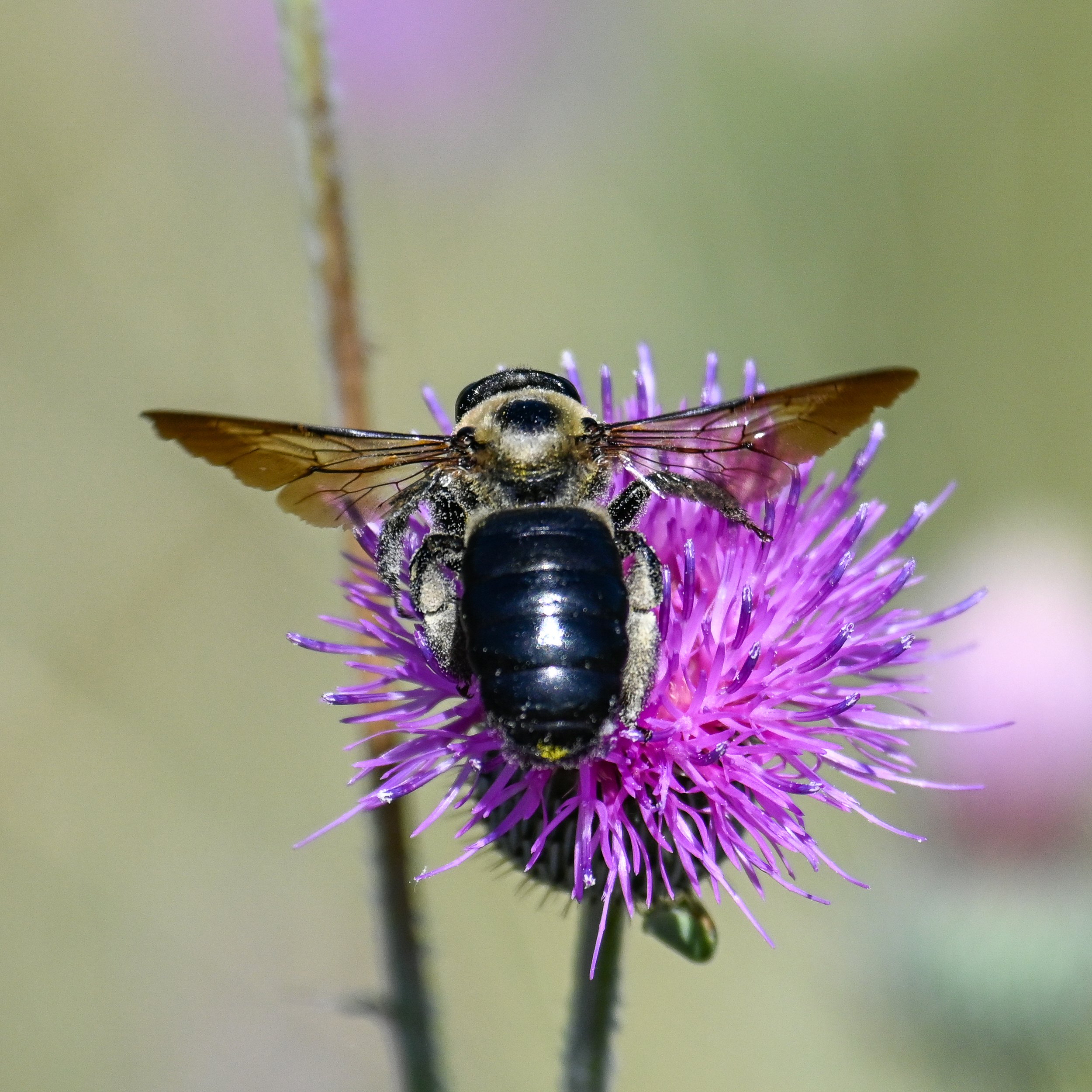
Eastern Carpenter Bee Photo courtesy Betsy Cross
Bumblebee Photo courtesy Christine Middleton
They also differ in the way they nest. Bumblebees are social bees, so like honey bees they live in shared hives. But their communal hives are much smaller—about 500 bumblebees versus thousands of honey bees per hive. True to their name, carpenter bees bore holes in wood, creating tunnels for egg laying and winter protection. Since each carpenter bee creates its own nest, they are considered solitary bees.
Among the smallest bees (about ¼ inch long) are sweat bees. Mostly solitary in behavior, sweat bees excavate burrows in well-drained, sunny patches of bare ground. There are a few species of solitary bees that nest in discarded snail shells or dried cow dung. About 90% of Texas bee species are solitary. And that’s a big plus because you don’t need to worry about being stung, unless the bee happens to get trapped in your clothing or you grasp it in your hand. That’s because the nest is established by a lone female who prefers to hide rather than defend it.
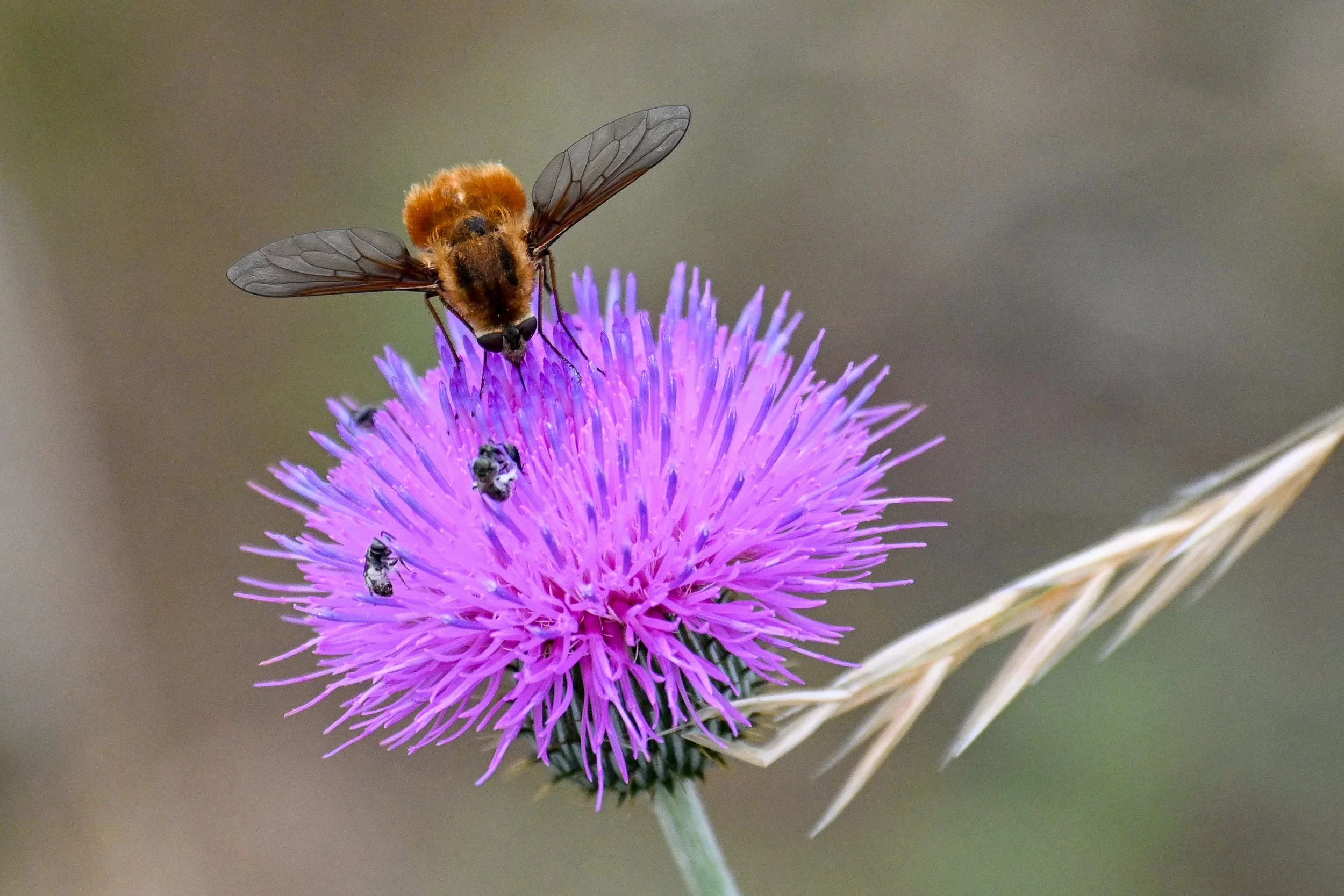
Wooly Bee Fly with smaller Sweat Bees Photo courtesy Betsy Cross
Then there are the mason bees—perhaps the most efficient pollinators. With their black bodies and dark blue iridescent sheen, mason bees are often mistaken for flies. But that small body carries a big punch. One mason bee can pollinate as much as 500 European honey bees!
Pollinator/Plant Relationships
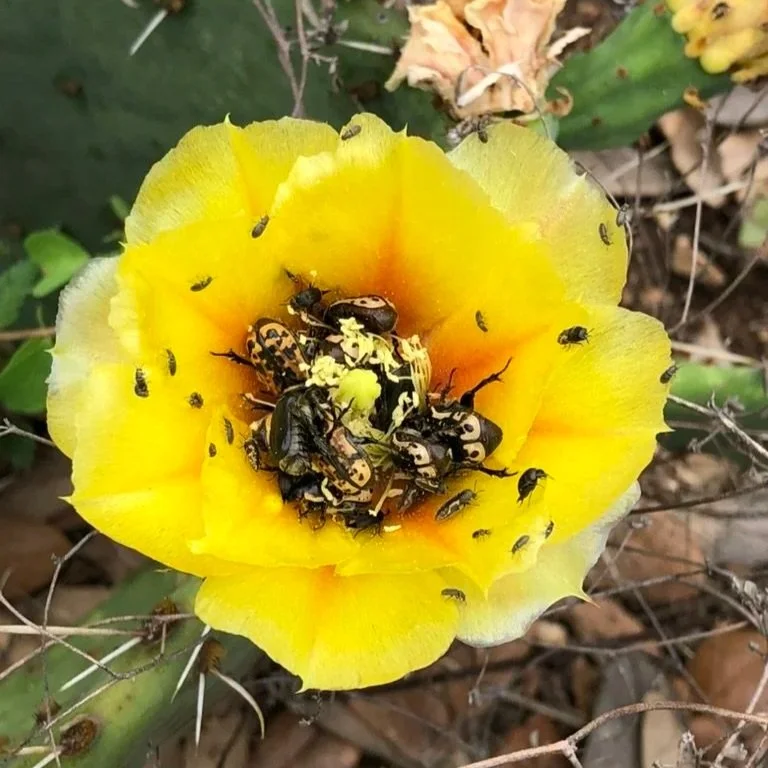
Beetles on cauctus flower Photo Christine Middleton
But what about the other pollinator species? Beetles have been around longer than butterflies. In fact, it is thought beetles helped shape the evolution of plant-insect pollinator relationships. Beetles don’t have specialized structures or other mechanisms for picking up pollen. Thus, pollen grains must simply stick to their bodies as they move from flower to flower. So plants pollinated by beetles have to produce lots of pollen, like the cactus flower in the picture. Beetles are said to be “mess-and-soil” pollinators because, rather than looking for nectar, they eat through leaves and petals. Thus, beetle-pollinated plants generally have thicker flowers and leaves in order to survive the damage left behind.
Flower shape also evolved with pollinator partners. Beetle-pollinated plants tend to have large, cup-like flowers that open during the day. Hummingbirds, on the other hand, often, but not always, favor tubular flowers. The way hummingbirds and flowers evolved together benefits both—a process called coadaptation. Hummingbirds around the world have differently shaped beaks matched to particular flowers native to their region. In return, flowers pollinated by hummingbirds evolved to produce the rich nectar required to replace the massive calories hummingbirds burn as they hover. This coadaptation also often resulted in flowers whose shapes protect this richer nectar from bees and other pollinators—thus strengthening the relationship between hummingbirds and tubular flowers.
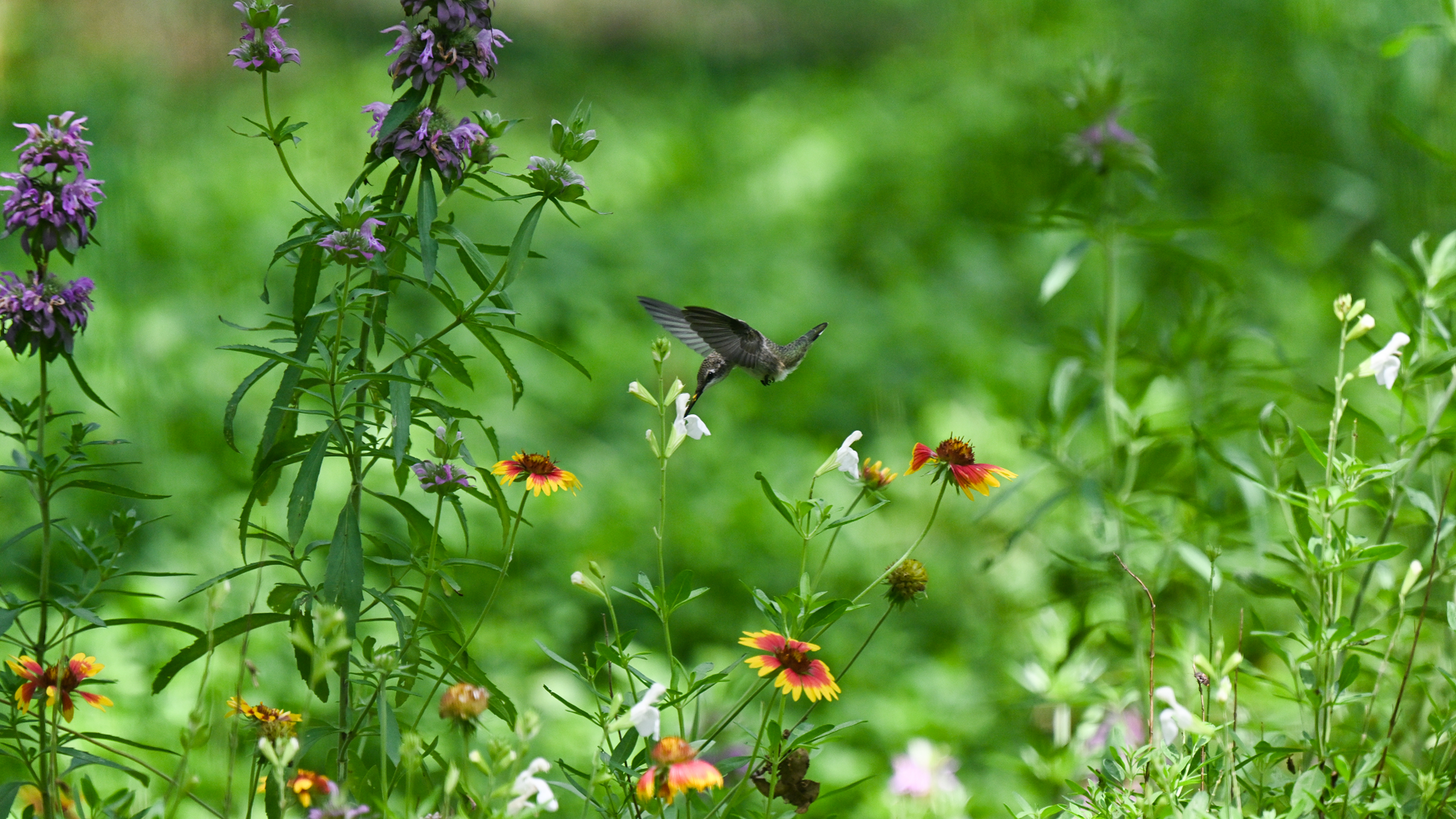
Black-chinned Hummingbird nectaring in my pollinator garding Photo courtesy Betsy Cross
Color and smell are also used by flowers to attract pollinators. Hummingbirds tend to favor red, pink, fuchsia, or purple flowers. Butterflies like bright yellow, orange, pink, and red. Bright blue and violet colors are said to attract bees. Nighttime pollinators, such as moths and bats, relay on fragrance rather than color to find flowers. Beetles have some color vision, but they too rely principally on their sense of smell. Thus, the flowers beetles pollinate usually have a spicy, sweet, mushy, or fermented-like overripe fruit smell.
Pollinator/plant relationships have also impacted insect evolution. Because bees collect pollen rather than simply spreading it around, they have adapted in ways that maximize their ability to gather this valuable substance. Many solitary bees, including mason bees, have specialized branched body hairs (scopa) located on their abdomens or hind legs, optimized for picking up and holding pollen as they move through a flower.
Many social bees, including both honey bees and bumblebees, have basket-like structures called corbiculae on their hind legs that enable them to carry large amounts of pollen back to their colony. Bumblebees also use a technique referred to as buzz pollination, in which they use their flight muscles to create a vibration that effectively dislodges pollen from the flower.
Diversity is The Key
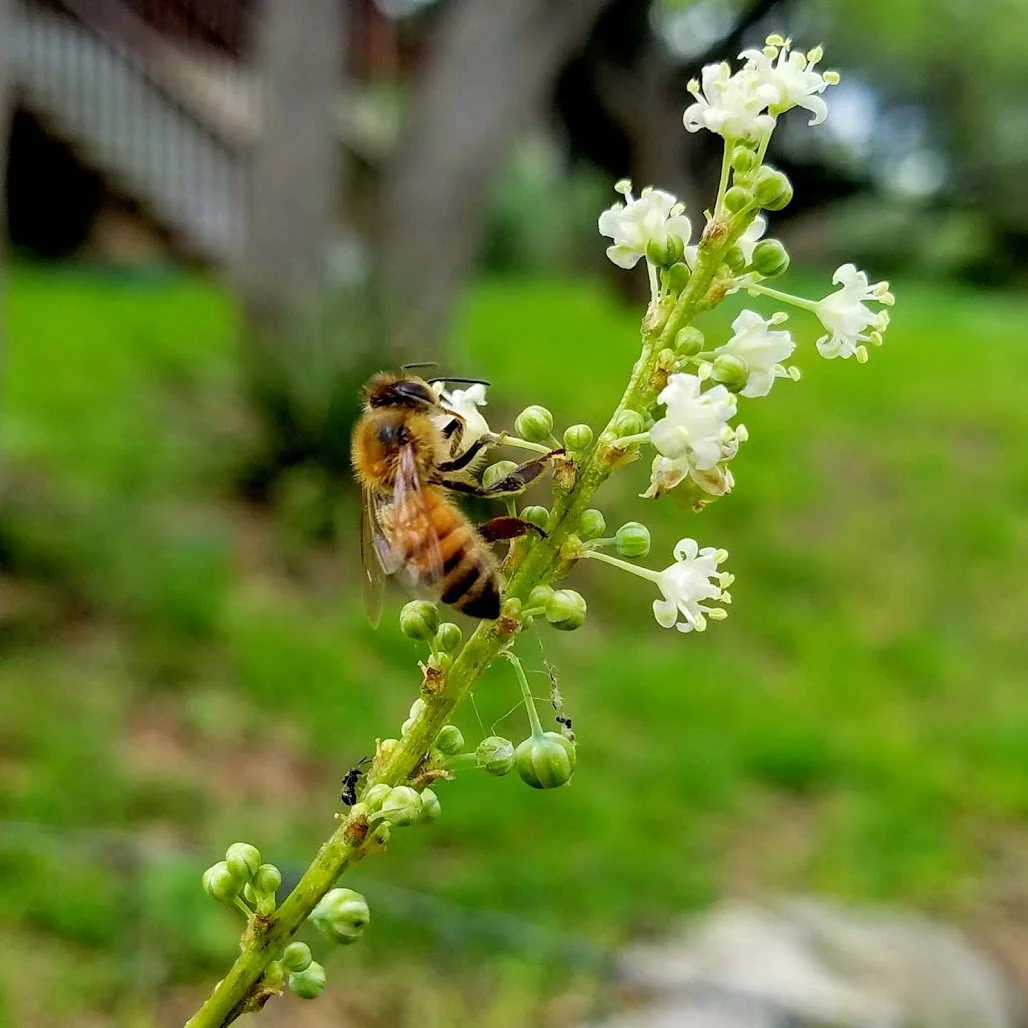
Photo courtesy Mimi Cavender
Why is diversity so important? There are lots of interactions among communities of species, many of which we are just now beginning to fully understand. Because everything is so interconnected, the absence of one species can have a ripple effect across an ecosystem. Pollinators are an important component in the scheme of things for many reasons, not the least of which is that they facilitate the reproduction of 90% of the world’s plants. Pollinators also provide food for birds and other animals higher up on the food chain. So a diversity of plants will attract a diversity of pollinators, who in turn will feed a diversity of baby birds, and on up the food chain.
If you own acreage in Hays County, we’d love to come and talk with you about what you might do to encourage more pollinators to visit your property. As part of our HELM (Habitat Enhancing Land Management) program, we offer property visits where landowners can learn about sustainable practices designed to enhance wildlife habitats, improve soil, effectively manage invasive species, and much more!
We are currently taking requests for Spring 2026 visits. If you would like to schedule a HELM visit, fill out this form. And please help us by spreading the word to your friends and neighbors.
The HELM Network News is a periodic feature in The Hays Humm, the online magazine of the Hays County Chapter of the Texas Master Naturalist™. You can read the latest issue and explore past articles at this link.