Pollinators for Texas Takes Root
Preparing the Ground
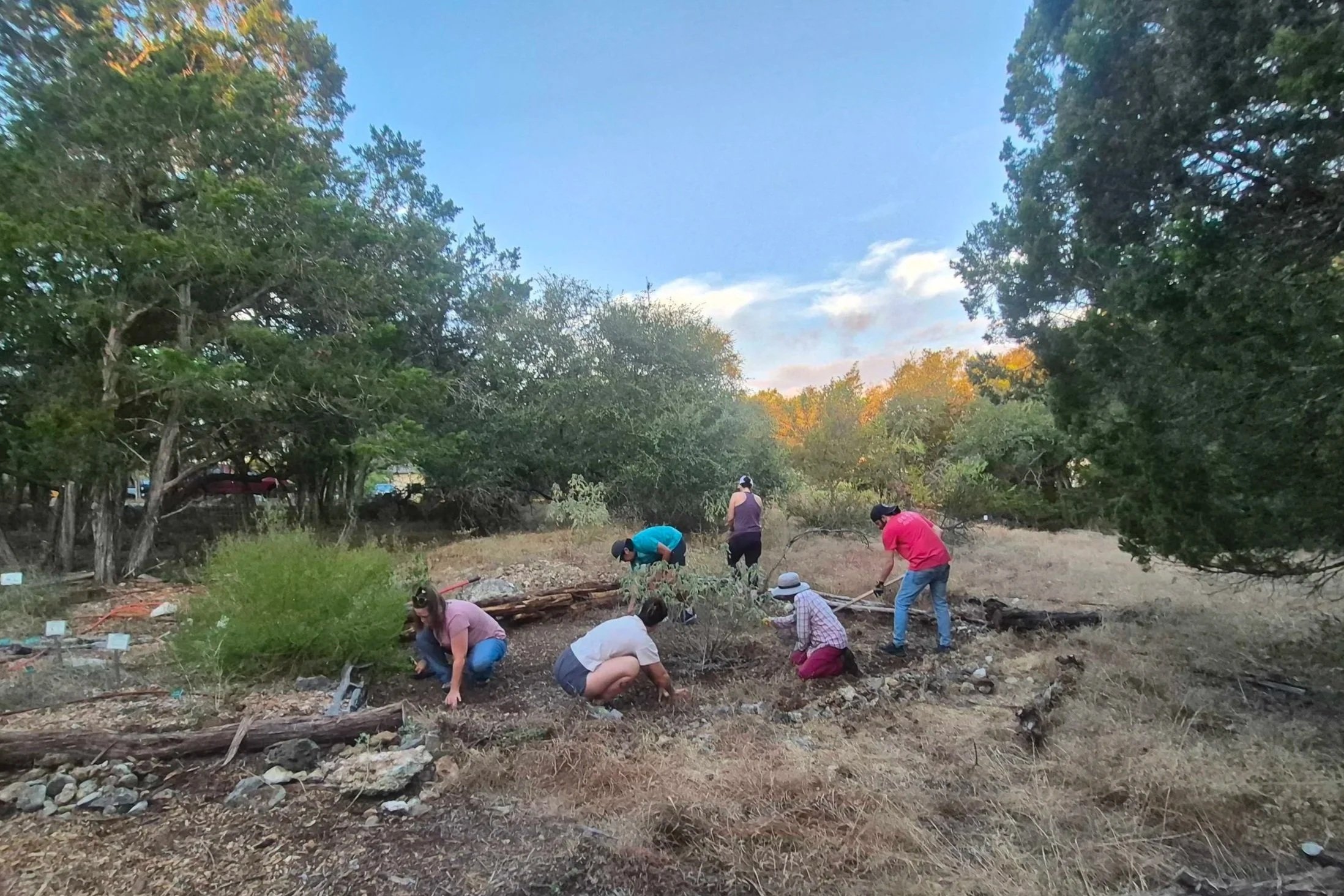
Photo courtesy Don Locke
“This is something to bring us together.”
—HCMN President Katie Peltier
Amber Powell
Hays County Master Naturalist was recently awarded $4,000 through the Pollinators for Texas program to install and maintain four garden plots in Wimberley and San Marcos. Pollinators for Texas is a collaborative initiative between the Texas Master Naturalist Program and Texas-based grocer H-E-B aimed at enhancing native pollinator conservation across Texas through community-based habitat projects and educational outreach.
According to the grant application, the goal of this new HCMN undertaking is to “enhance pollinator habitat at four community partner trailhead sites by adding native nectar and host plants, improving soil health and replacing invasive or drought-damaged vegetation.” HCMN volunteers and community partners will support stewardship and public engagement at each location, three of which are designated Hays County Master Naturalist bird viewing stations. The fourth site, at the entrance to Spring Lake Natural Area, will include a pollinator-focused rain garden designed to reduce erosion and stormwater runoff while supporting biodiversity and environmental education.
The process began last year during the 2025 Texas Master Naturalist Annual Meeting, when then-incoming President Katie Peltier attended a leadership meeting with Pollinators for Texas program administrators and previous grant recipients. Chapters that had received H-E-B grants in earlier years were there, proudly holding up their signs, posing for photos, and sharing their enthusiasm for the program. Katie was immediately struck by the energy and participation surrounding the high-profile program and knew that, when the next round came along, HCMN should be part of it:
“I remember thinking, ‘We have to be part of that! Our chapter has a lot of excitement and a lot of engaged people, and it seemed like the perfect program for us to get involved in.’”
And get involved we did!
At the start of the year, Katie put out a call to the Hays County Chapter of Texas Master Naturalist, asking members interested in working on pollinator gardens to step forward. HCMNs Jo Korthals and Don Locke answered that call.
Both Jo and Don pitched their ideas, and Katie quickly realized that each had merit. Her task then was to figure out how to bring the two together. “Where’s the common denominator,” she wondered, “so that it’s one project with two pieces?” The connection was in the trailheads. The four gardens in the proposal—Patsy Glenn Refuge, Wimberley United Methodist Church, St. Stephen’s Episcopal Church, and Spring Lake Natural Area—are all located at trailheads, an apt connection for this trailblazing endeavor.
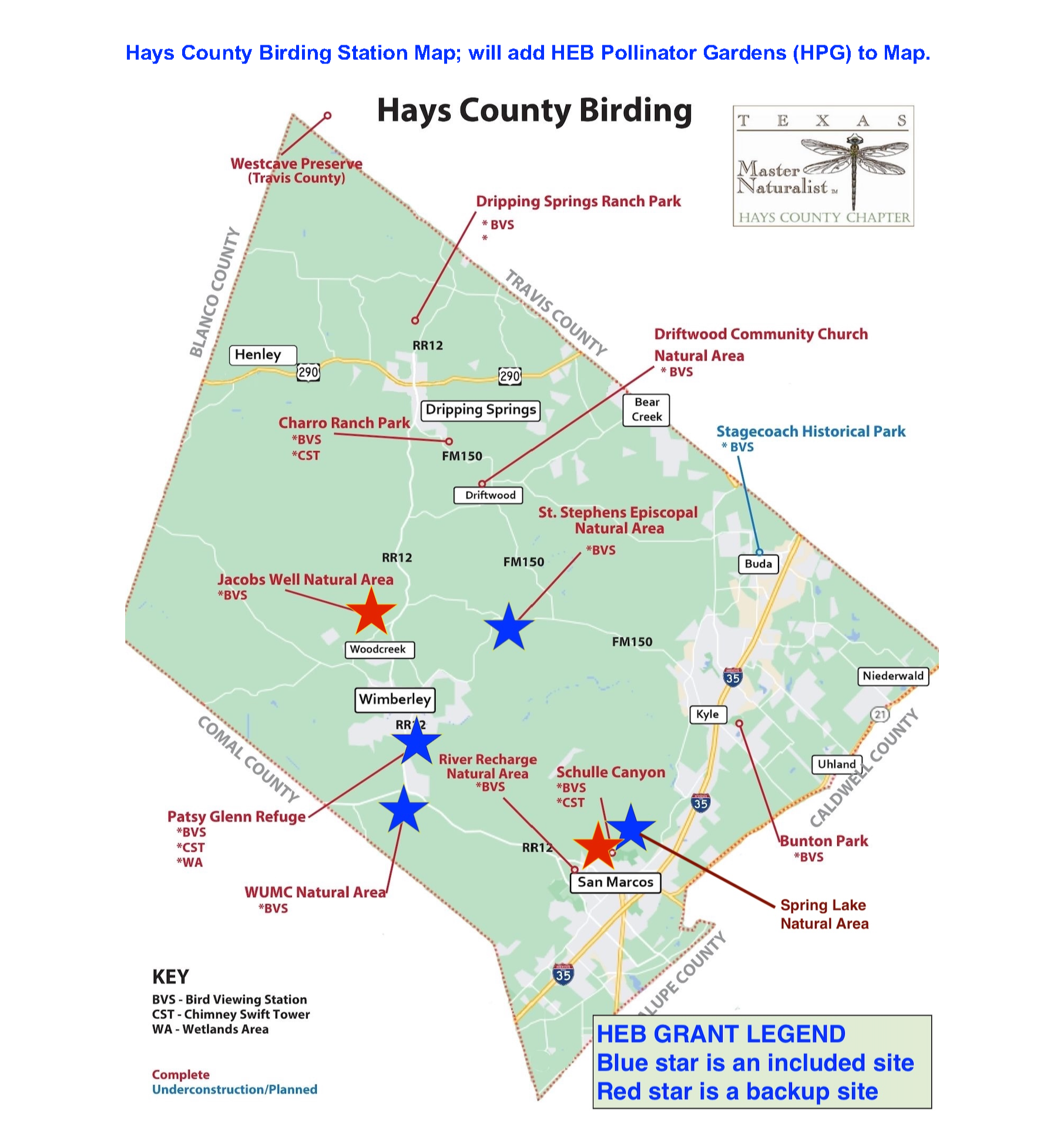
Don Locke, Lead for the HCMN Bird Viewing Station sites and leader of the Pathfinders Program, will be responsible for managing the Wimberley sites at Wimberley United Methodist Church, Patsy Glenn Refuge, and St. Stephen’s Episcopal Church. HCMN members Jo Ellen Korthals and her son, Ben Taylor, will be responsible for the San Marcos project at Spring Lake. And HCMN President Katie Peltier is doubling as Project Coordinator for this ambitious undertaking.
With project leads and the dream established, the HCMN proposal was submitted by the June 1 deadline.
More garden projects may well be in HCMN’s future.
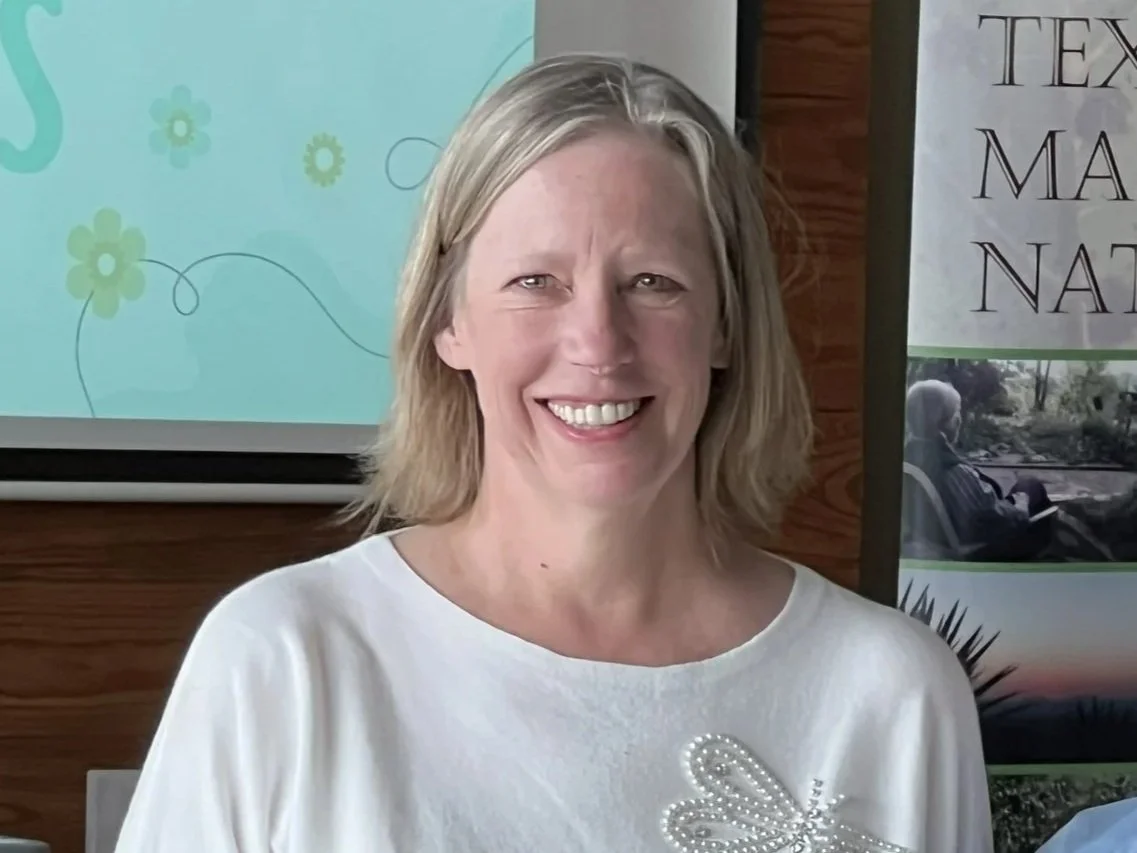
Katie Peltier
“We originally submitted a project for $2,400,” Katie told us, grinning. “But the program people got back to us and said, ‘Based on the strength of your proposal, is there any way we could give you more money?’ That never happens!”
With the unexpected opportunity to expand the project, Katie, Don, and Jo revisited their plans and added more plants, benches, and soil—all intended to improve the habitat, educational value, and visitor experience at the sites.
Beyond the immediate value these projects will provide to their respective communities, this project could represent a stepping stone toward a much larger endeavor to build habitats across Hays County.
“This is phase one of the Pollinators for Texas grant submissions,” Katie said. “We could see this being a phased approach as we add pollinator gardens to additional bird viewing stations.”
Photo courtesy Betsy Cross
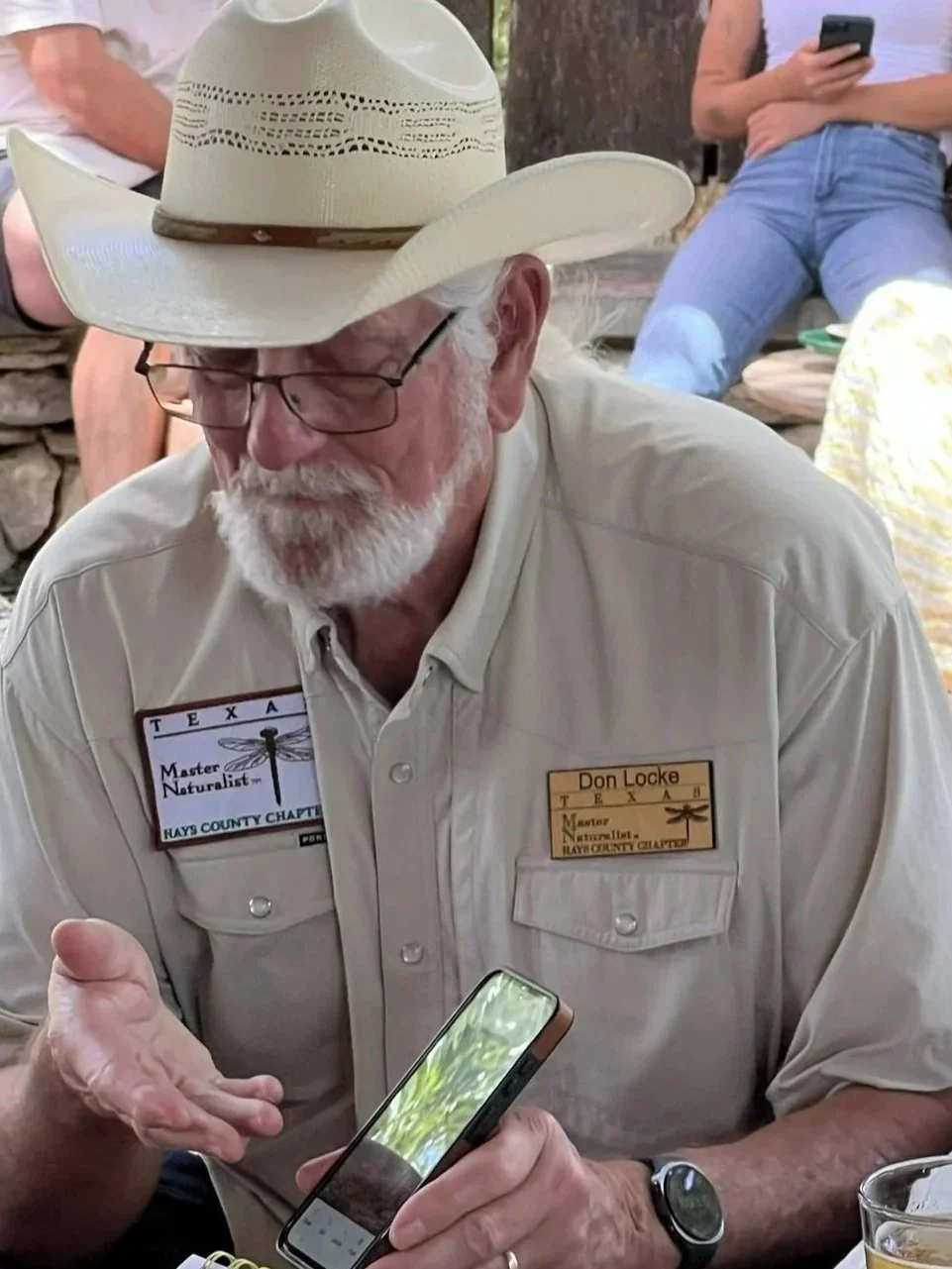
Don Locke
Don’s Vision: Pocket Prairies
Don, in particular, is excited about creating “pocket prairies” that will “benefit all things in our environment.” He is also enthusiastic about the connection between this project and HCMN’s Pathfinders Program. Pathfinders have already taken to the project, participating in workdays to begin building the sites. Don also emphasized the educational component of his sites. He “looks forward to the garden area being a key part of regular curriculum and the kids’ involvement” in the gardens.
Don also acknowledged the potential for this project to become a much larger part of HCMN’s legacy. In early discussions with Katie, the team realized, “We [could] start with three [gardens] this year and plan to follow up with subsequent grant applications to eventually have the gardens at all HCMN Bird Viewing Station sites for the education and enjoyment of all.”
Photo courtesy Betsy Cross
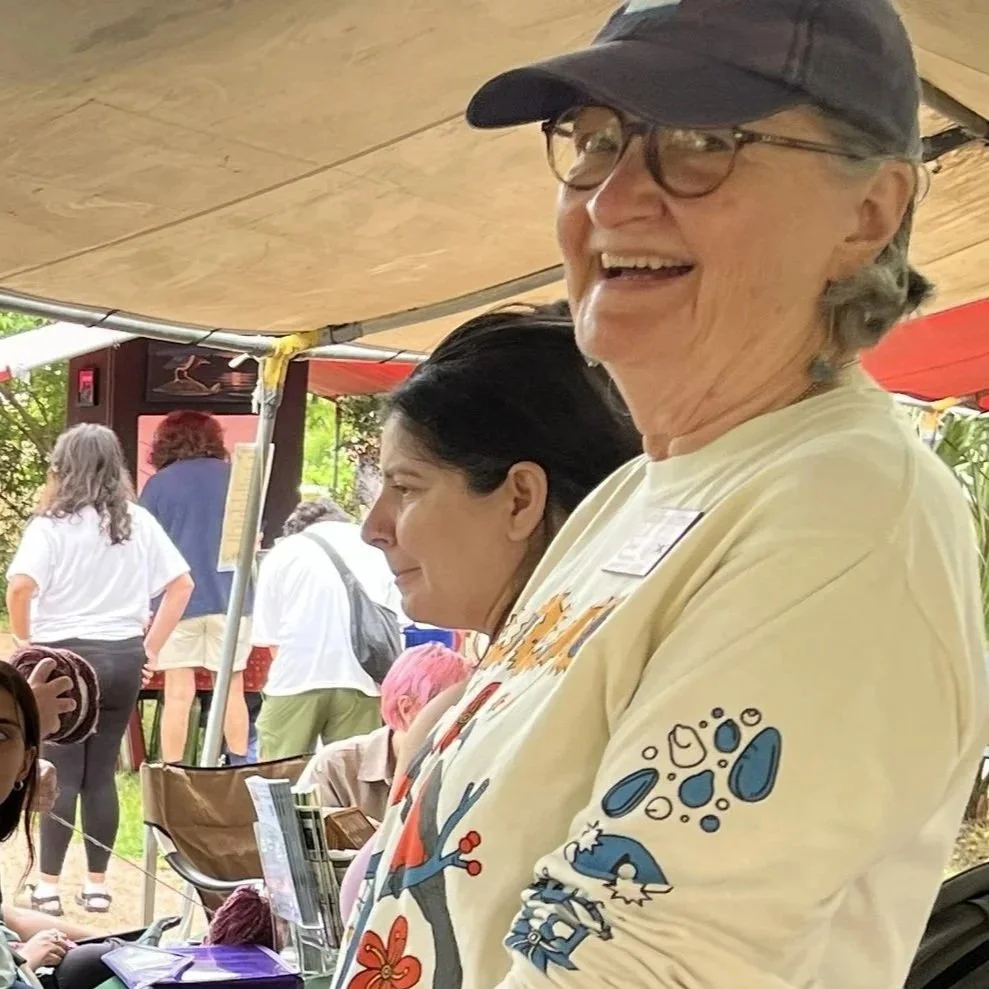
Jo Korthalls
Jo’s Vision: A Rain Garden at Spring Lake
Jo is similarly excited about the opportunity to use her site for educational purposes. And specifically, she recognizes the site as providing a relatively unique “opportunity to mitigate a drainage issue at the trailhead of the second entrance to Spring Lake Natural Area, San Marcos.”
She notes that there is “no piped water to this trailhead … [and] there is an existing problem with water draining down from the natural area, some of it from springs when they are dribbling. Erosion from this drainage was creating a scarification that the public was using as a walking/biking path.”
Jo plans to create a rain garden with rocks and native plants to capture and slow the drainage and prevent further scarification.
Photo courtesy Betsy Cross
Already Making Progress
Overall, the team is making excellent progress in bringing the project to life. Don reports that he is “ahead of schedule” on his sites, crediting both his hardworking Pathfinders and his managerial skills. Jo reports that her project is currently on schedule.
Build #1 at Wimberley United Methodist Church. “Their Green Team was crucial to getting it done this morning. Site Coordinator Eric Seaberg did an outstanding job organizing the work.” —Don Locke, September 17, 2026
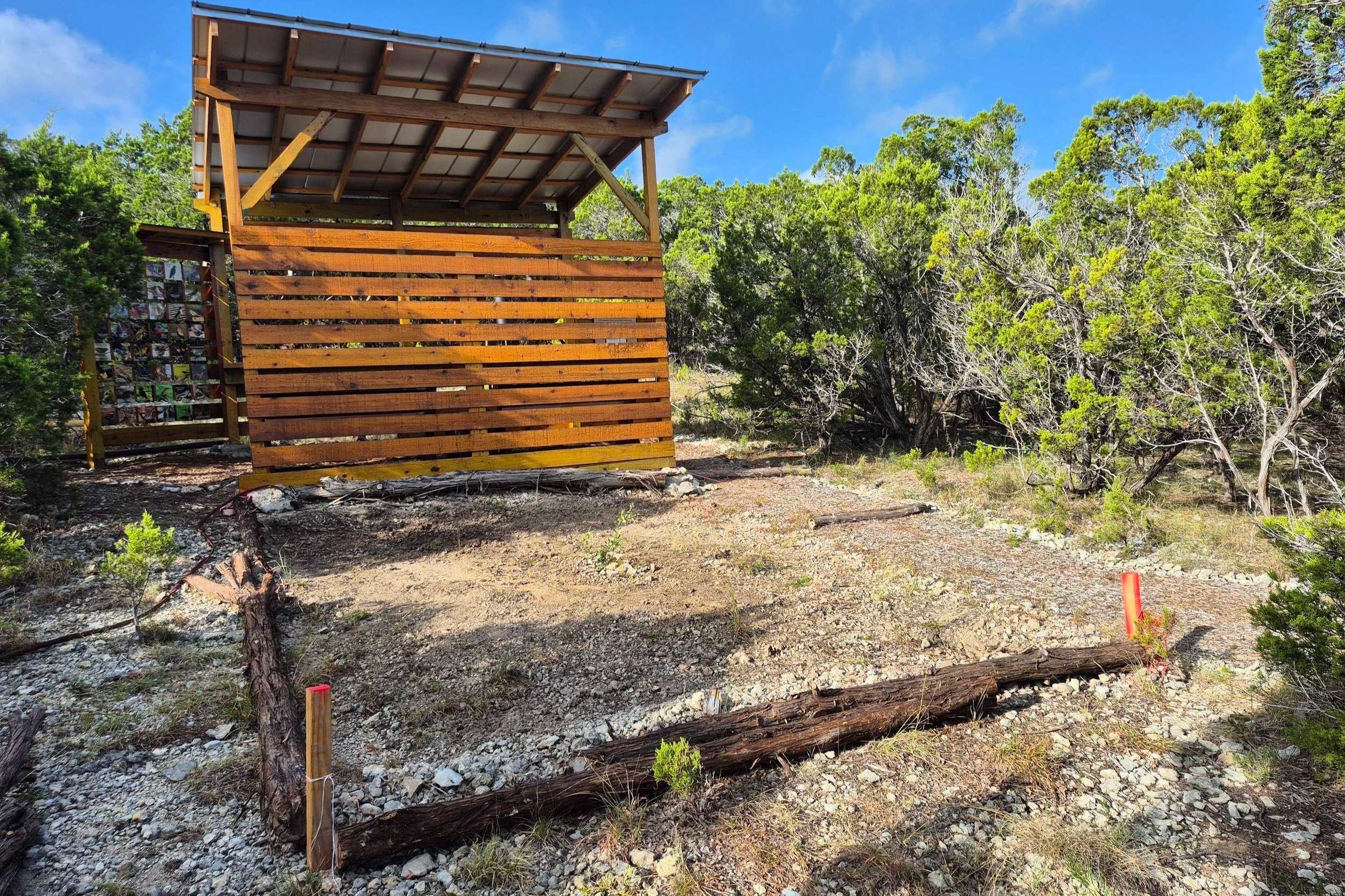
Photo courtesy Don Locke
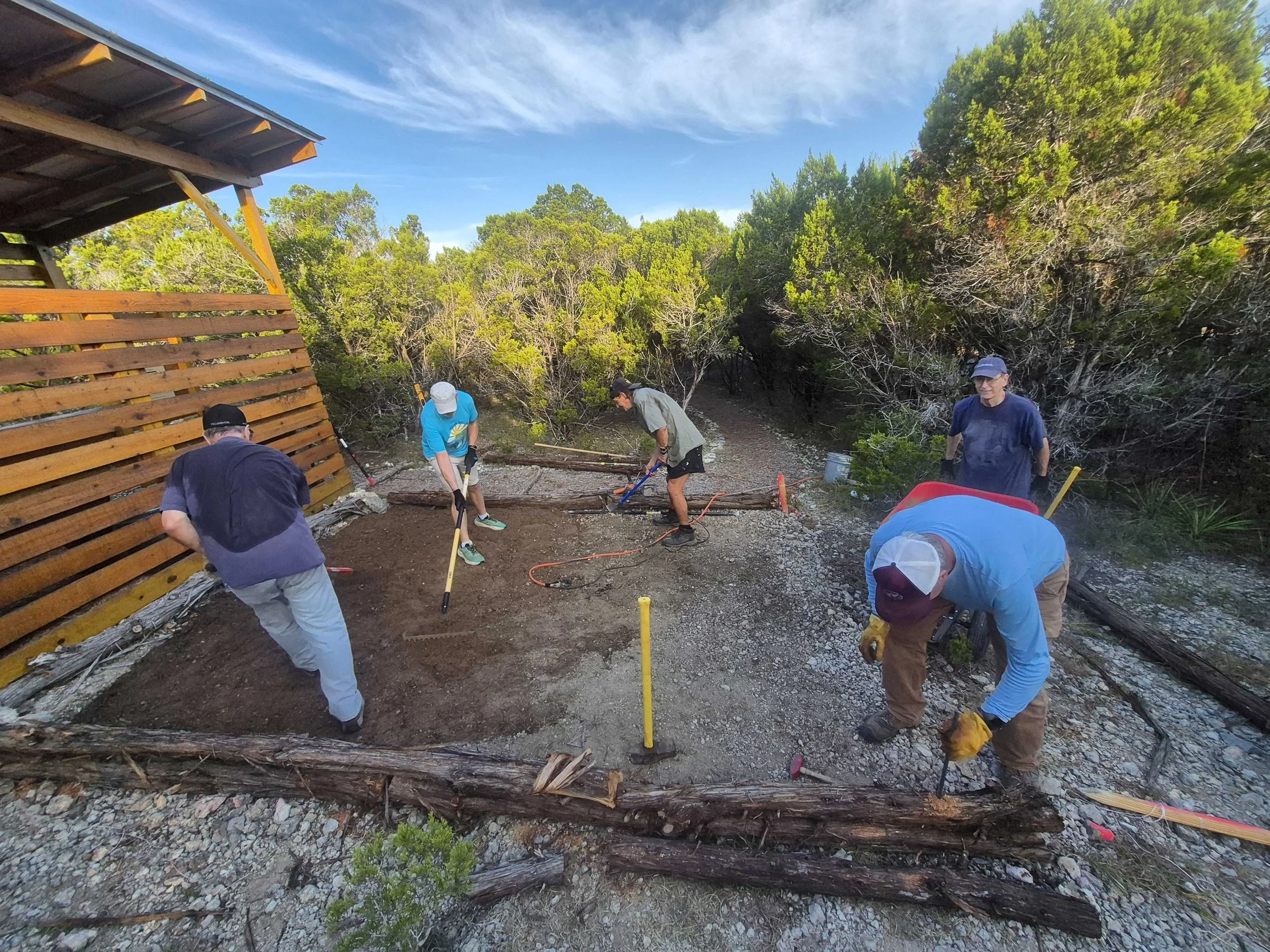
Photo courtesy Don Locke
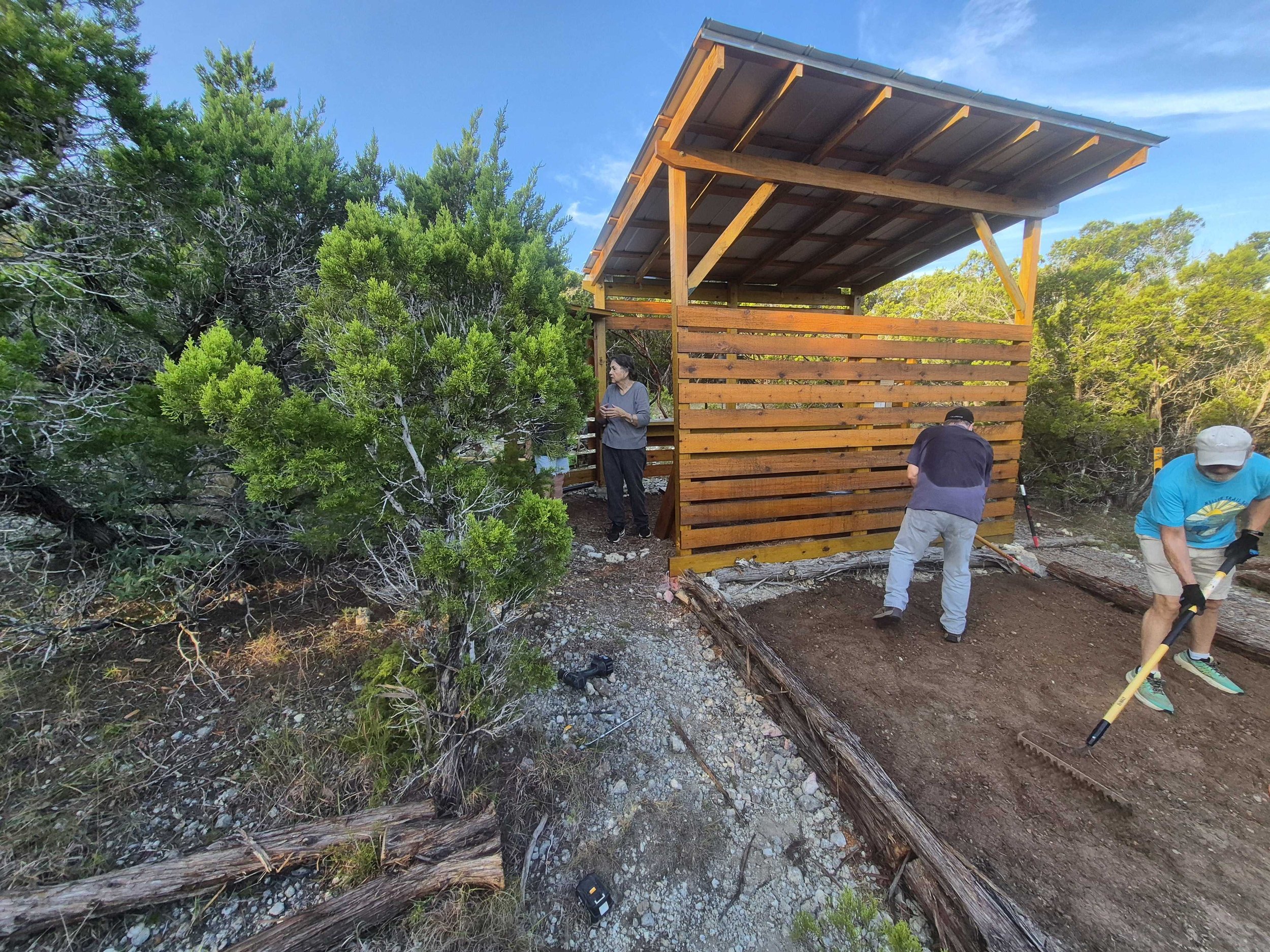
Photo courtesy Don Locke
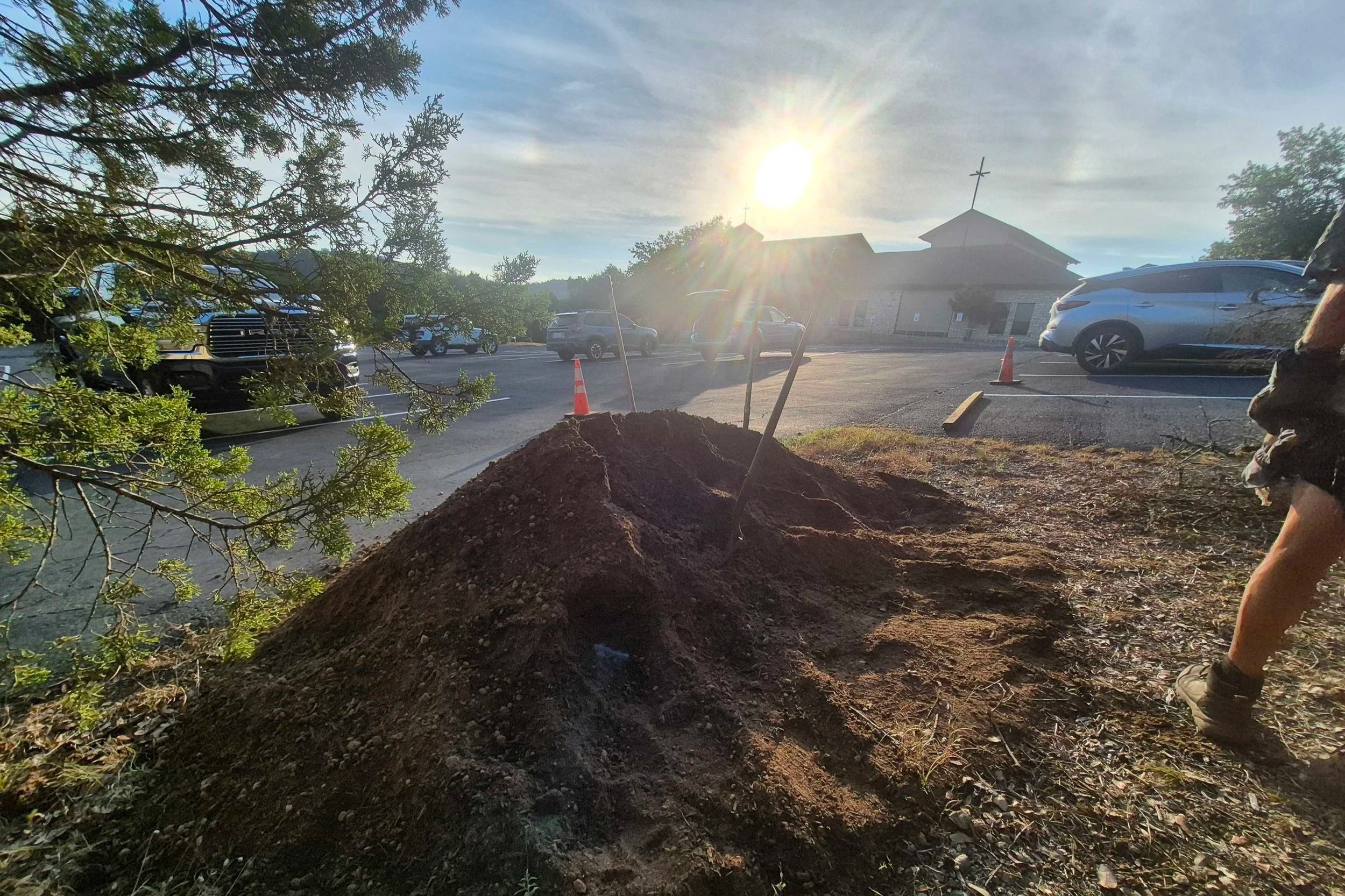
Photo courtesy Don Locke
Build #2 Expansion of the pollinator garden at Patsy Glenn Refuge began today. “[We had] a great turnout from our eager Pathfinders, who did an outstanding job. Shout out to Jeff Fowler for assisting in a leadership role through the planning and work stages.” —Don Locke, September 19, 2026
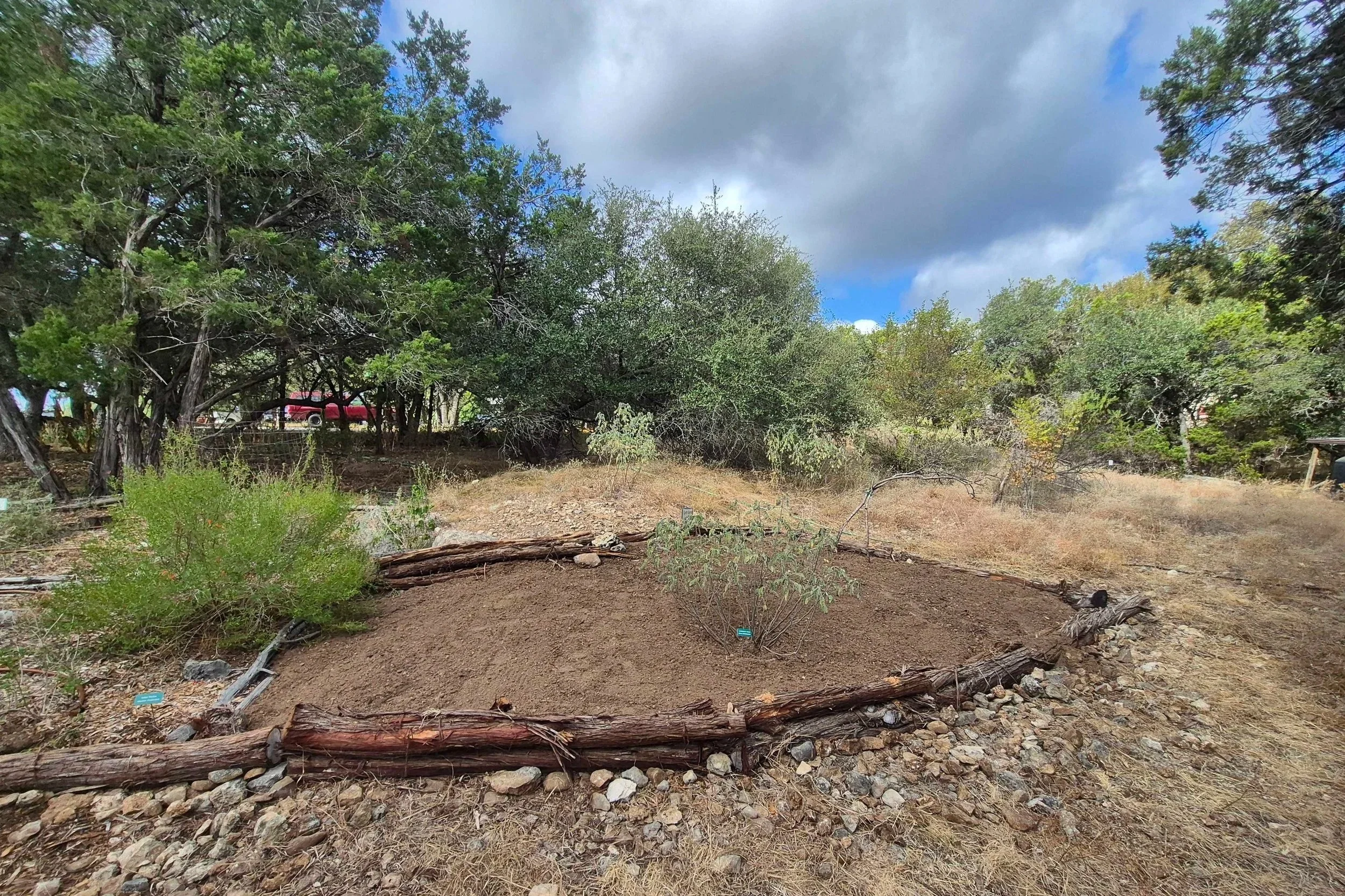
Photo courtesy Don Locke
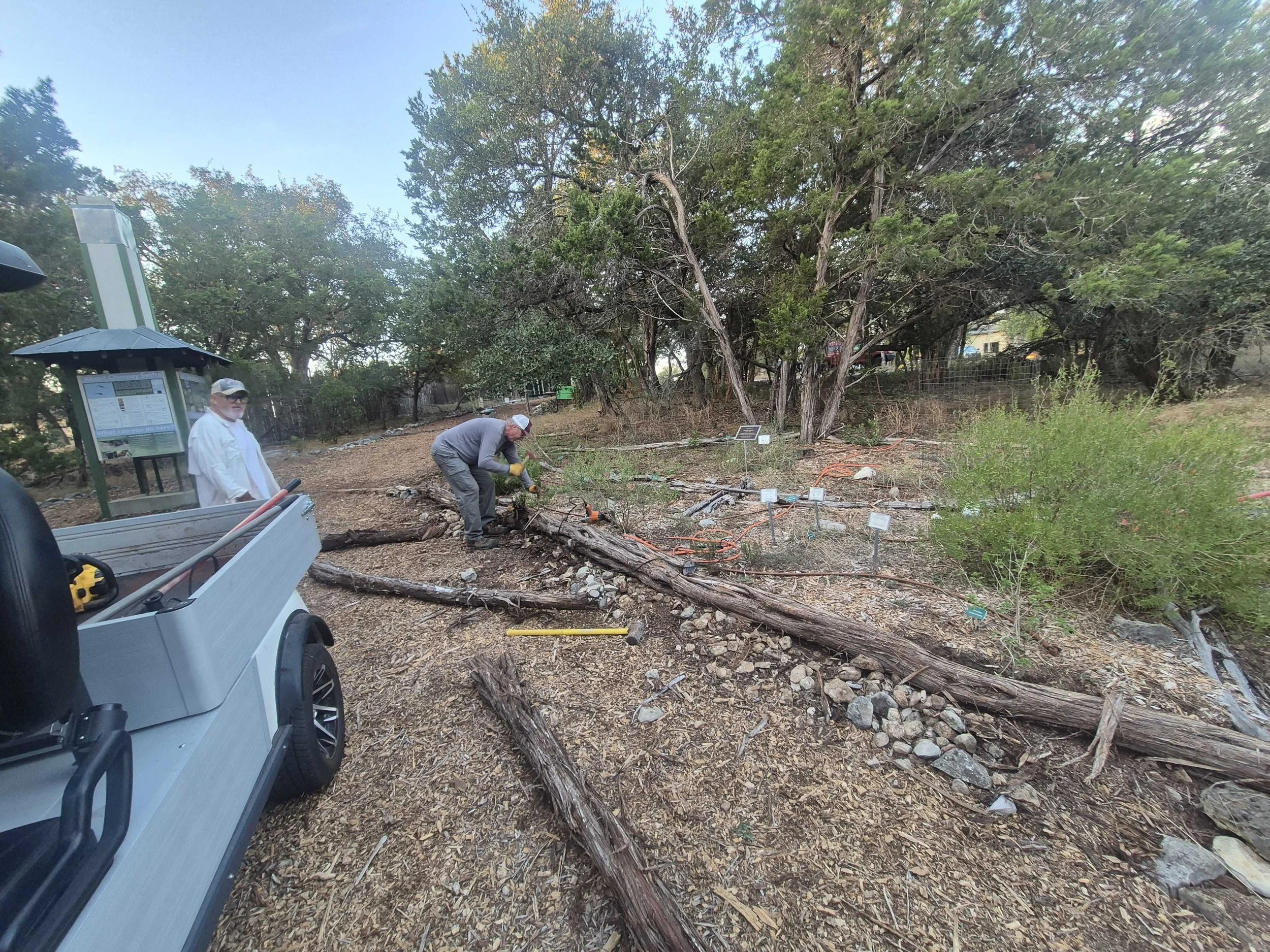
Photo courtesy Don Locke
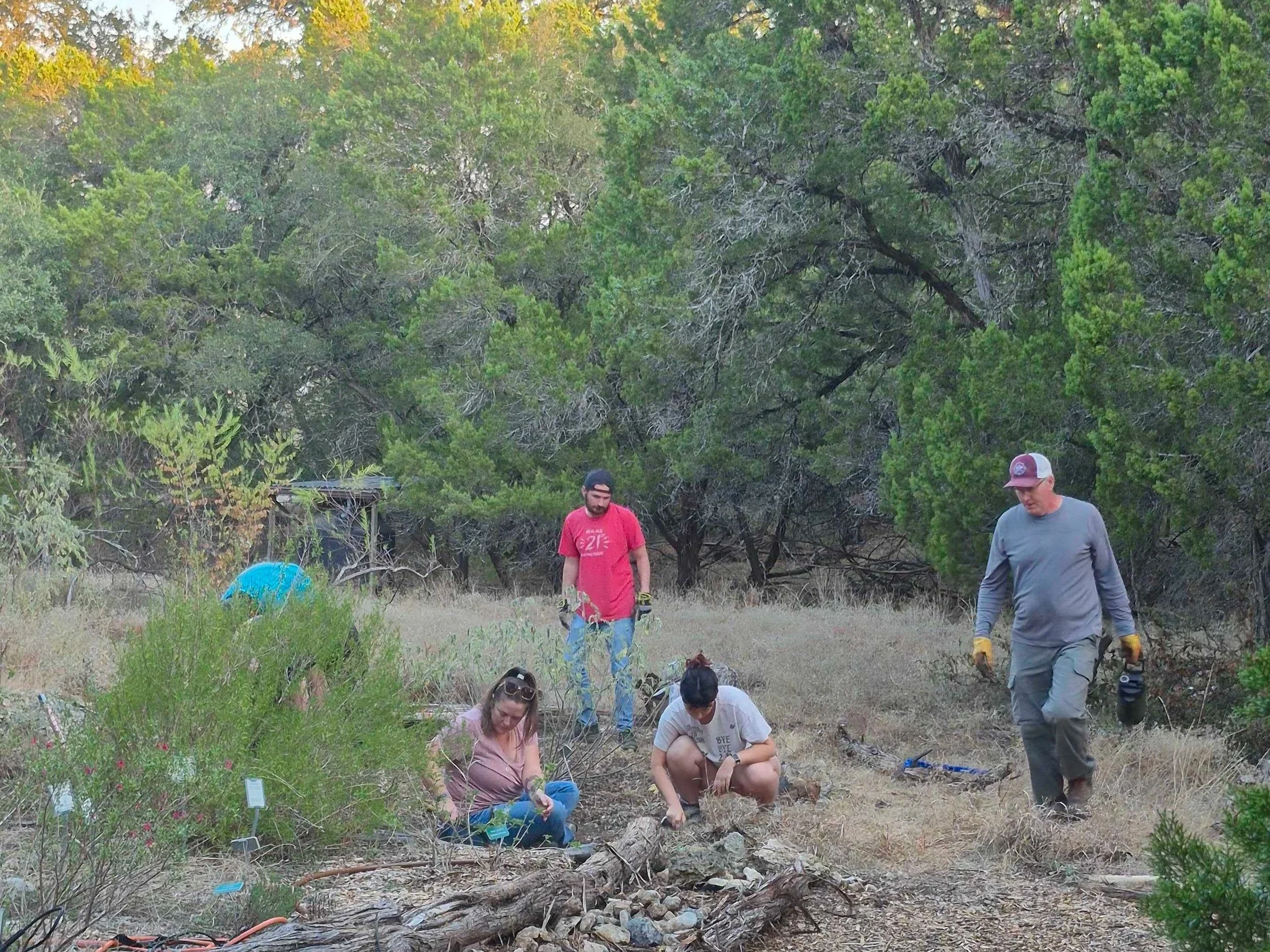
Photo courtesy Don Locke
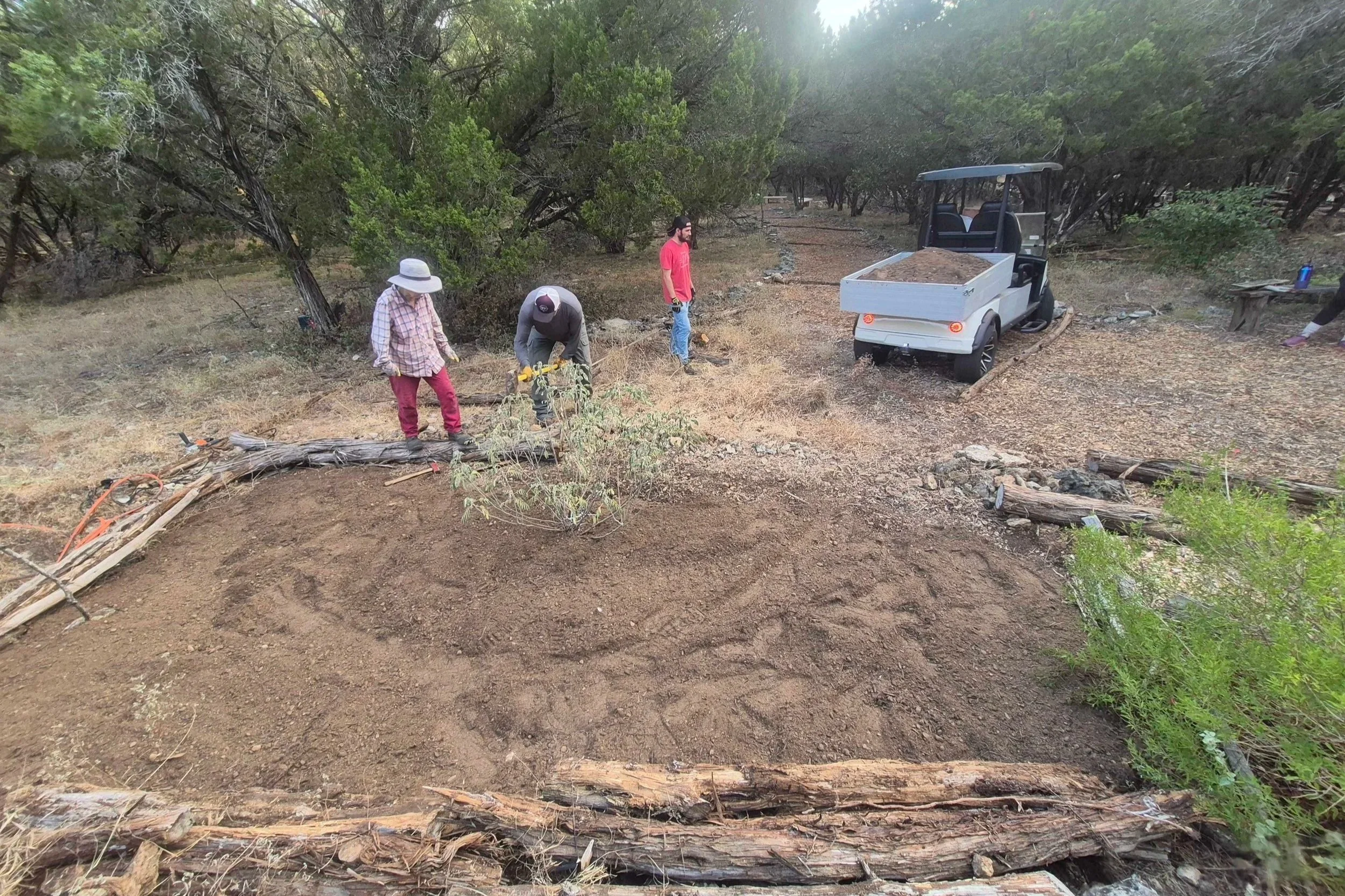
Photo courtesy Don Locke
Build #3 Site plan for the pollinator garden at the St. Stephen’s Episcopal School adjacent to their existing Monarch Waystation. “Work is planned to begin on October 10, 2026.” —Don Locke
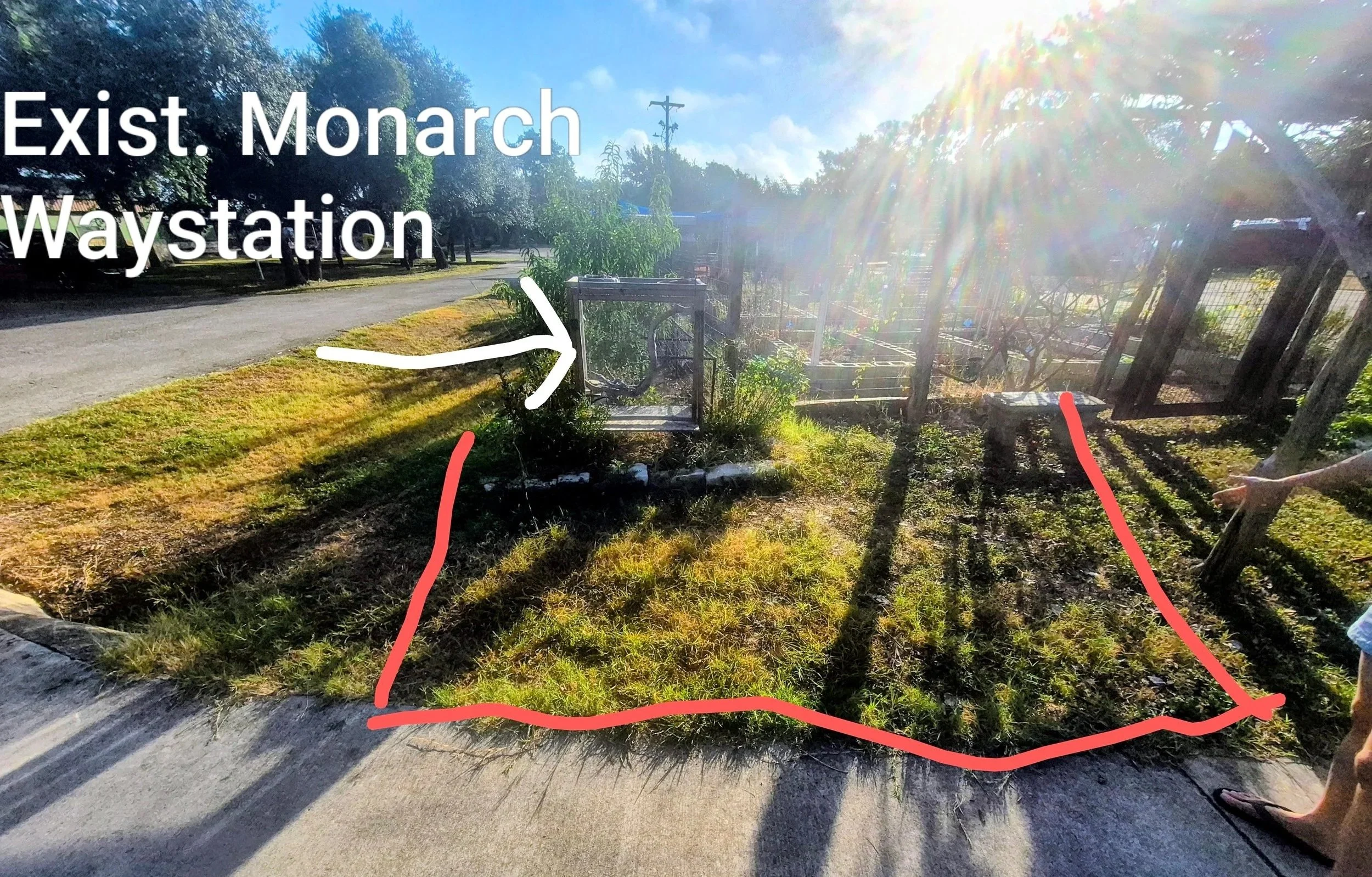
Photo courtesy Don Locke
Build #4 Spring Lake Natural Area site proposal showing three potential rain garden locations designed to capture stormwater runoff and reduce drainage impacts. The three potential garden sites are shown in the photos below the map. —Jo Korthals
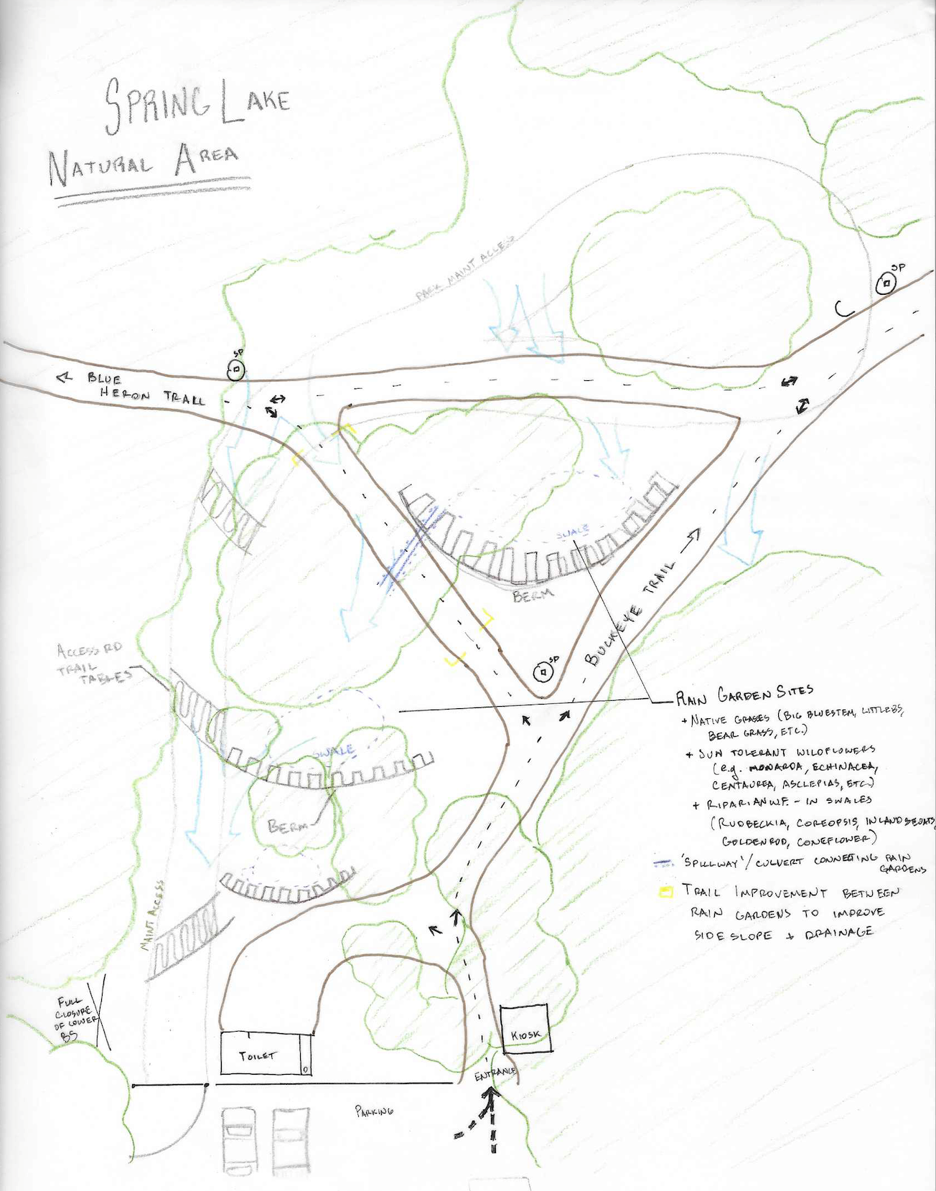
Image courtesy Jo Korthals
Photo 1 shows a triangular area that could provide a good location for a rain garden designed to help capture stormwater runoff. In Photo 2, the red zigzag marks a “renegade trail,” with areas on either side that could be transformed into additional garden space and a mulched area for events and activities. Photo 3 shows another “renegade trail” that has become a significant drainage issue. Once the upstream pollinator garden is established, this trail could be improved as a serviceable pathway, helping discourage visitors from cutting through the central area shown in Photo 2.
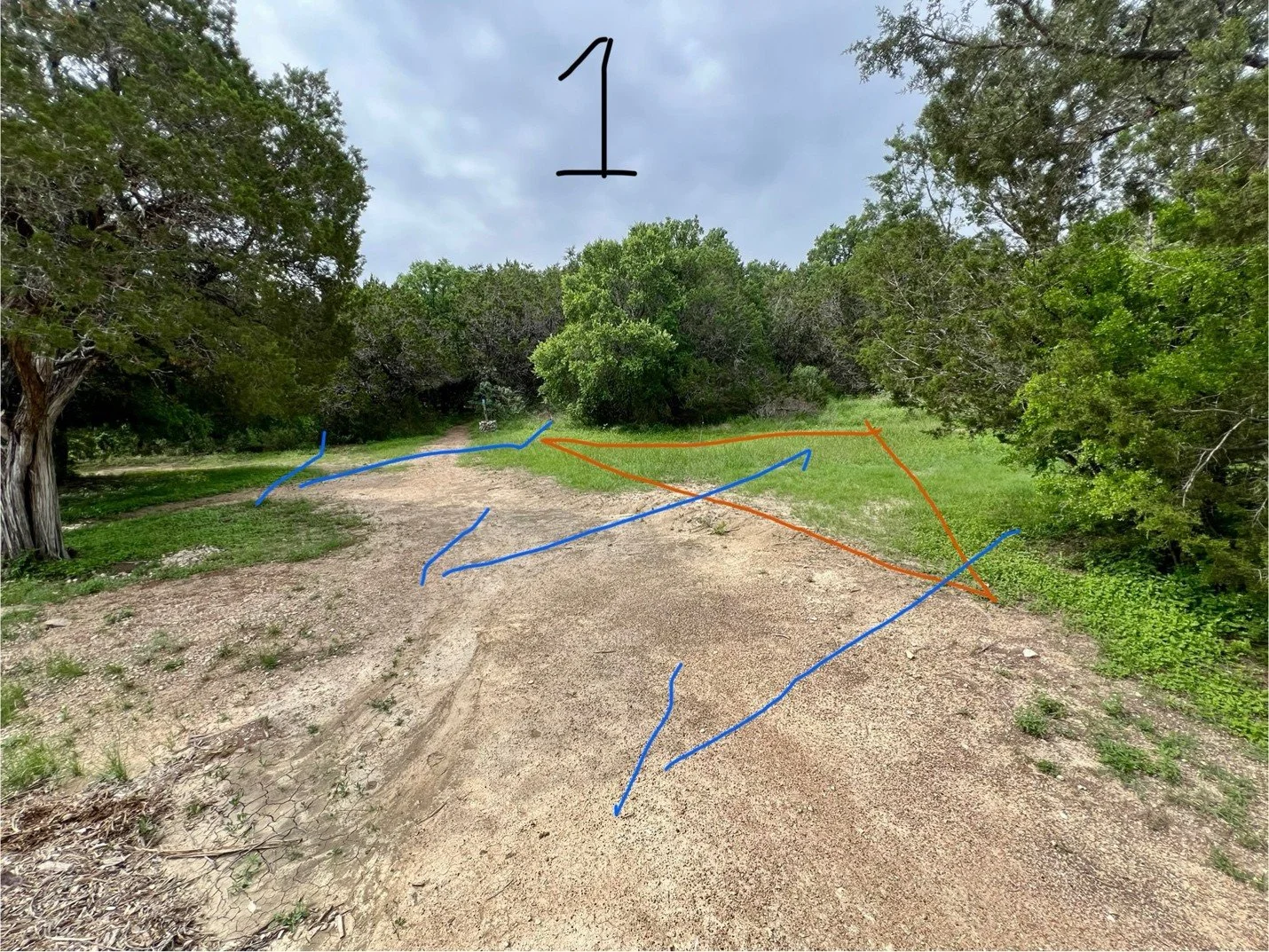
Photo courtesy Jo Korthals
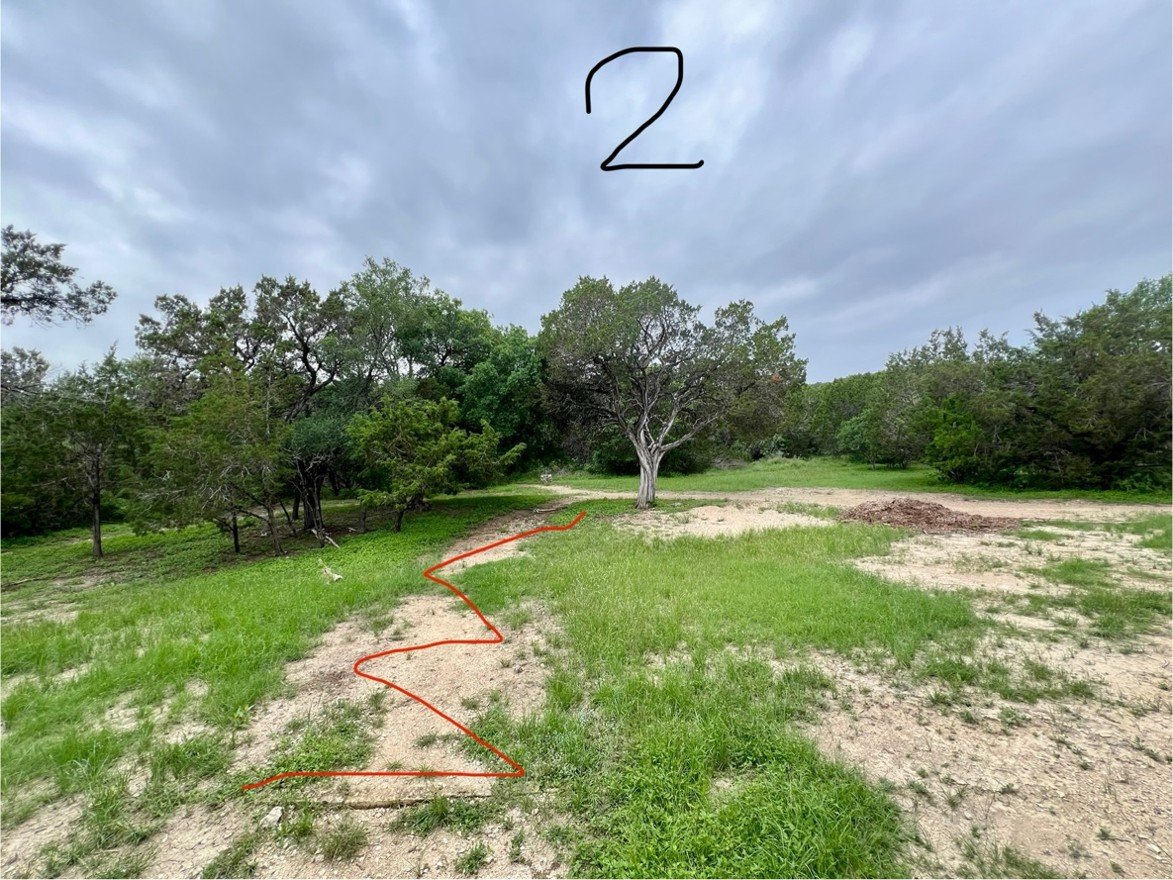
Photo courtesy Jo Korthals
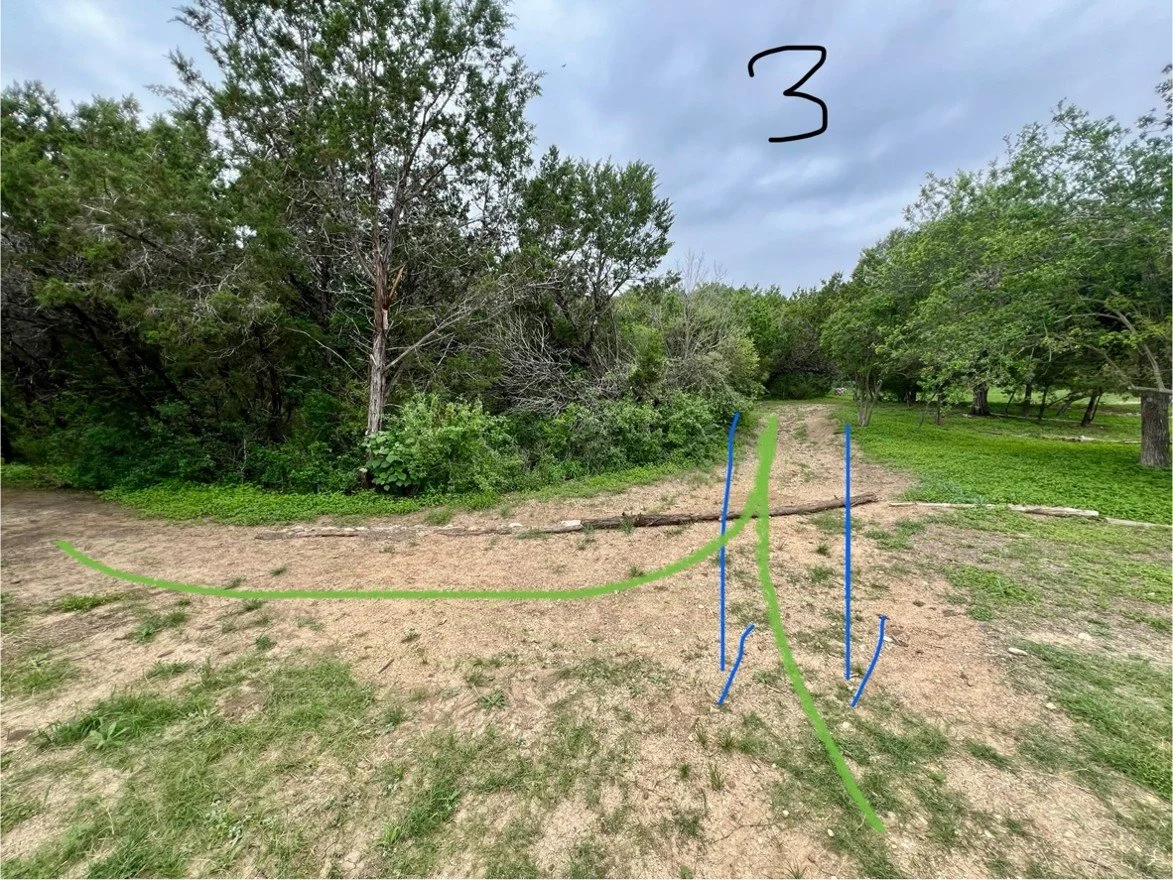
Photo courtesy Jo Korthals
A Team Effort
Throughout the interviews, Katie, Don and Jo glowingly reflected on the hard work of everyone involved in the project. “People who are doing [the Trailhead Pollinator & Bird Habitat Project] are so proud of it,” Katie acknowledged. “This is something to bring us together.”
All three expressed their repeated, effusive and wholehearted thanks to everyone who has contributed to the project thus far. That includes those who helped “get the grant over the finish line”—Jo Korthals, Don Locke, Ben Taylor and Pat Heintz—as well as site leads Jeff Fowler at Patsy Glenn Refuge, Eve Stephens at St. Stephen’s Episcopal Church, and Eric Seaburg at Wimberley United Methodist Church.
The team is also grateful for the contributions of HCMN members Tony Atkins (Project Management), Beth Ramey (Treasurer), Larry Calvert (Grants and Donation Support), Betsy Cross (The Hays Humm), and Clover Clamons (VMS Support), as well as Cristian Lopez and Mary Pearl Meuth of the Texas Master Naturalist state office.
Don also thanks HCMN member Lin Weber for her “vast plant knowledge,” Sandy Londa and her Green Team at Wimberley United Methodist Church, HCMN member Art Crowe at St. Stephen’s Episcopal Church, and Bryce Burkhalter with the Wimberley Parks Department for their support and efforts on the project. He also thanks every HCMN Pathfinder who has “shown up for the long, hot workdays” and the trail teams working at the sites.
Jo extends her thanks to Hays County Master Naturalists, the City of San Marcos Trail Crew, the San Marcos Greenbelt Alliance Trail Crew, and the City of San Marcos Discovery Center.
Stay tuned for future updates on HCMNs Trailhead Pollinator & Bird Habitat Project in The Hays Humm.