About the Cover…
A Fall Doubleheader
Photos courtesy Betsy Cross
Leah Fenley Adrian
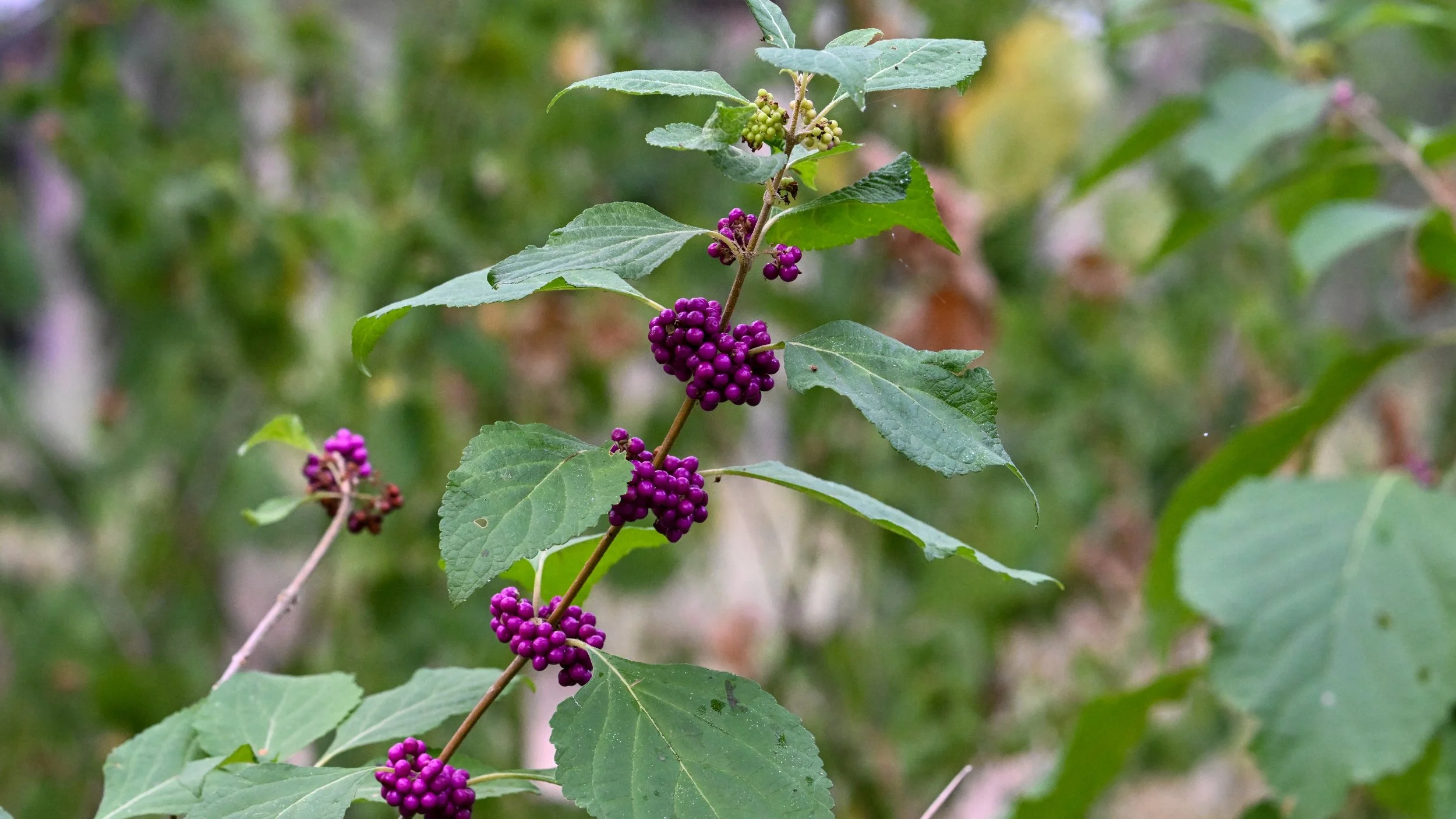
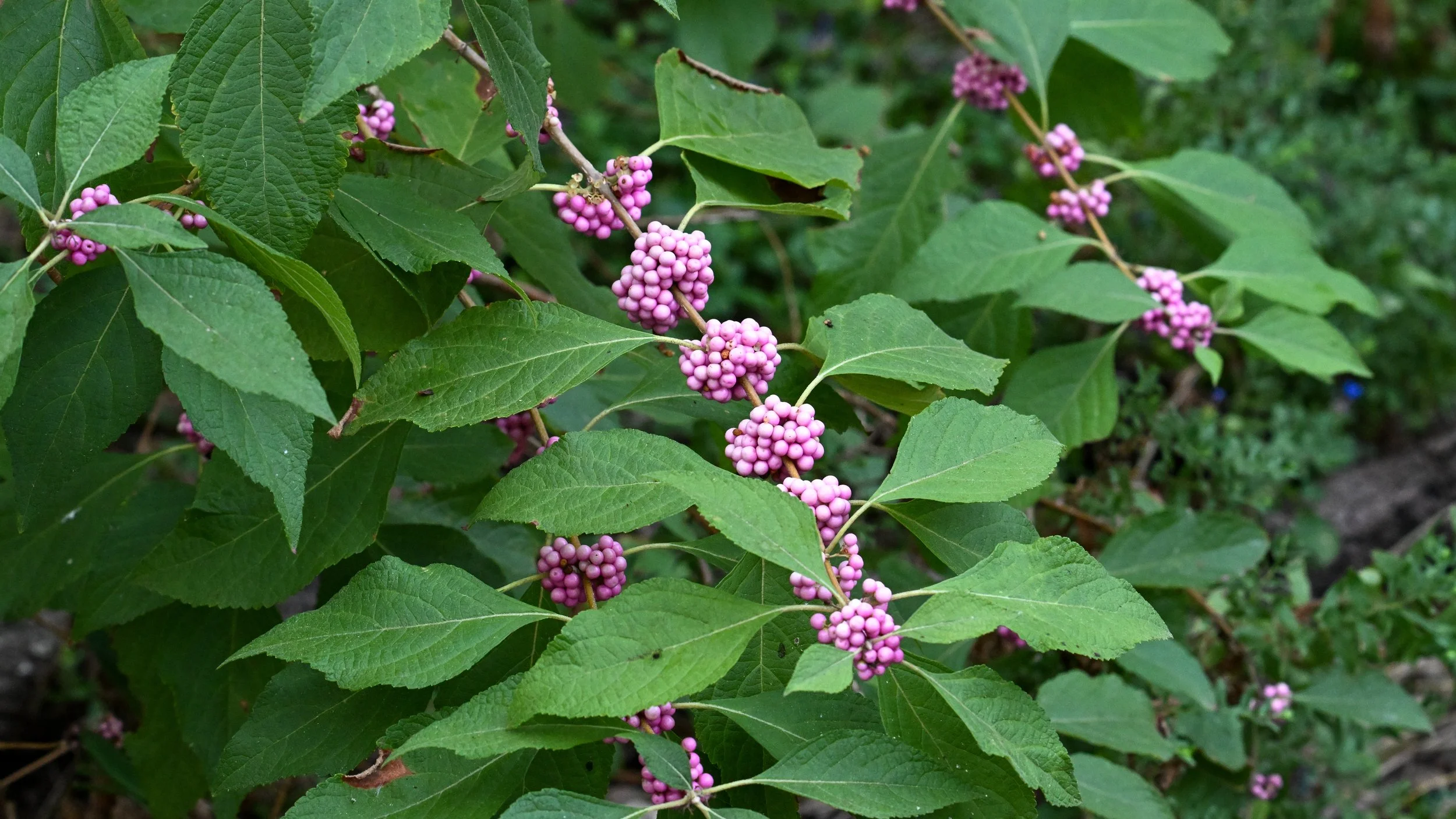
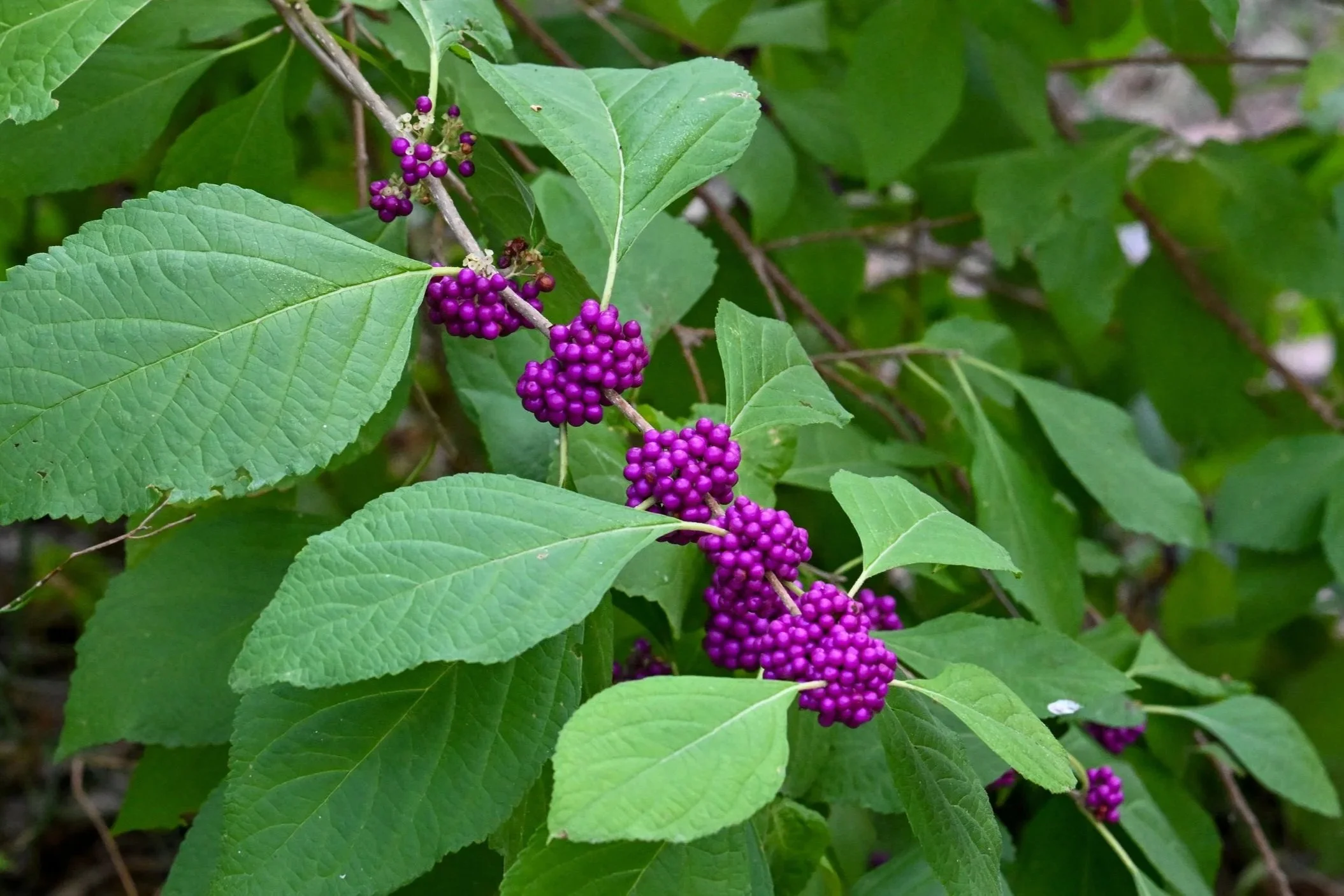
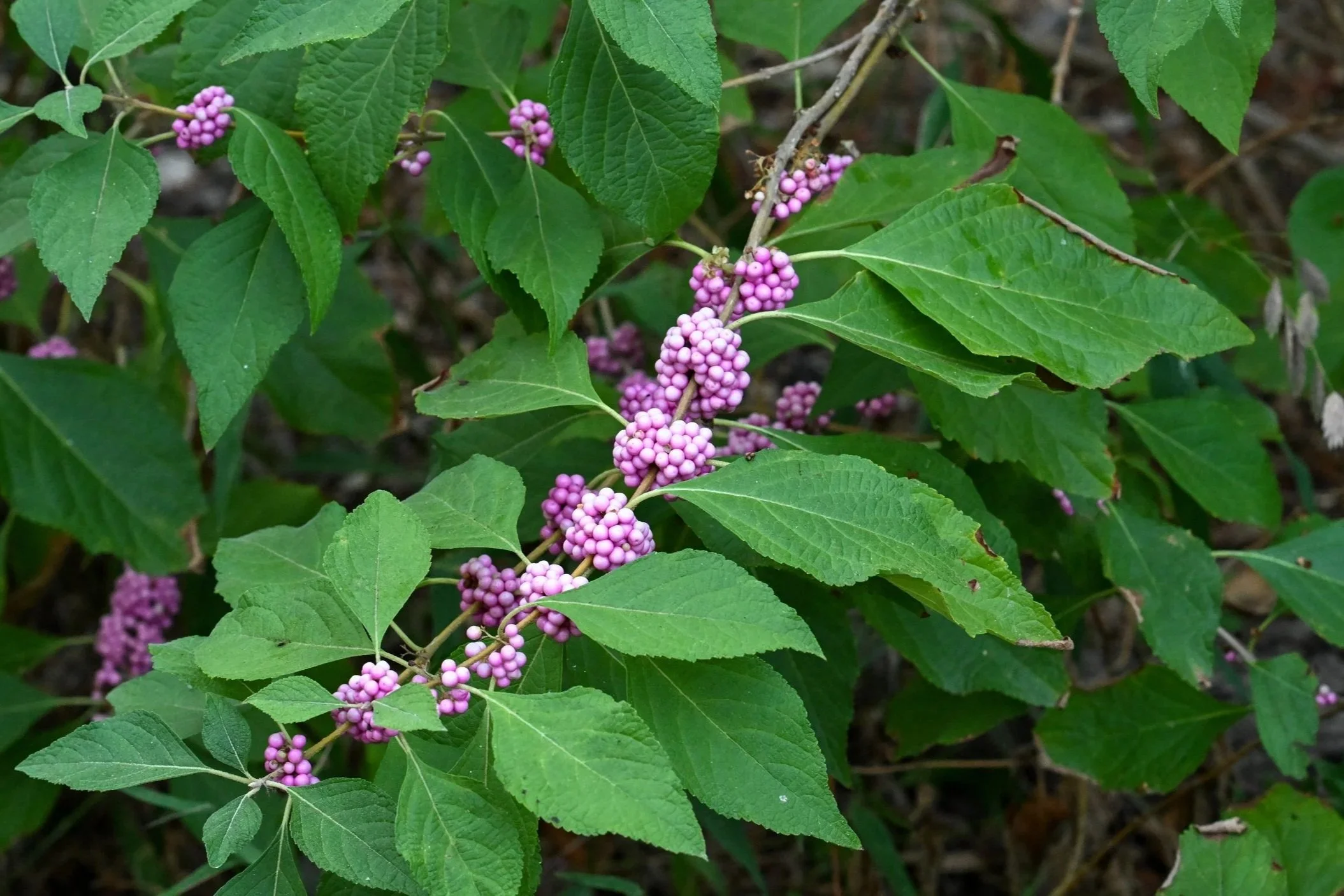
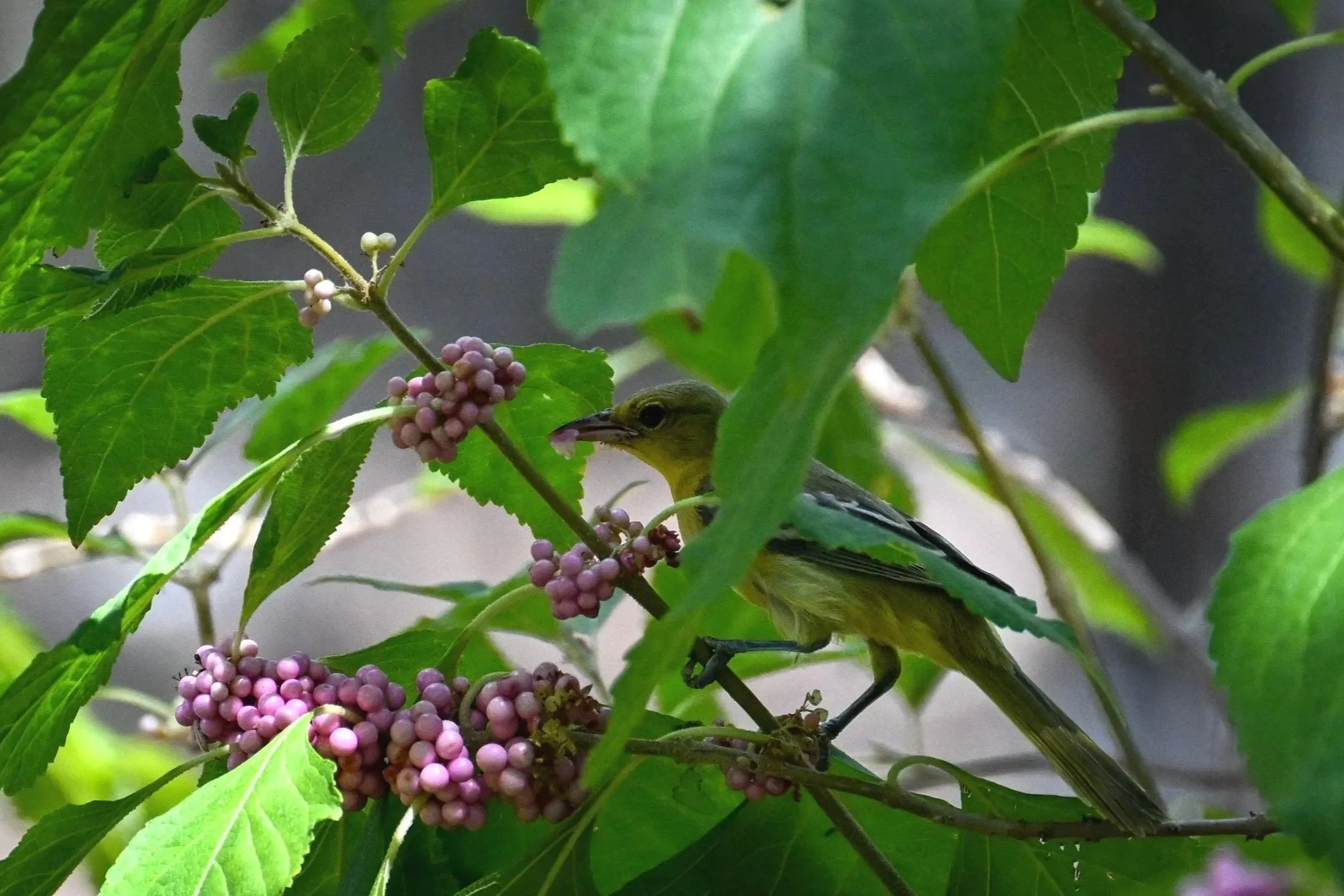
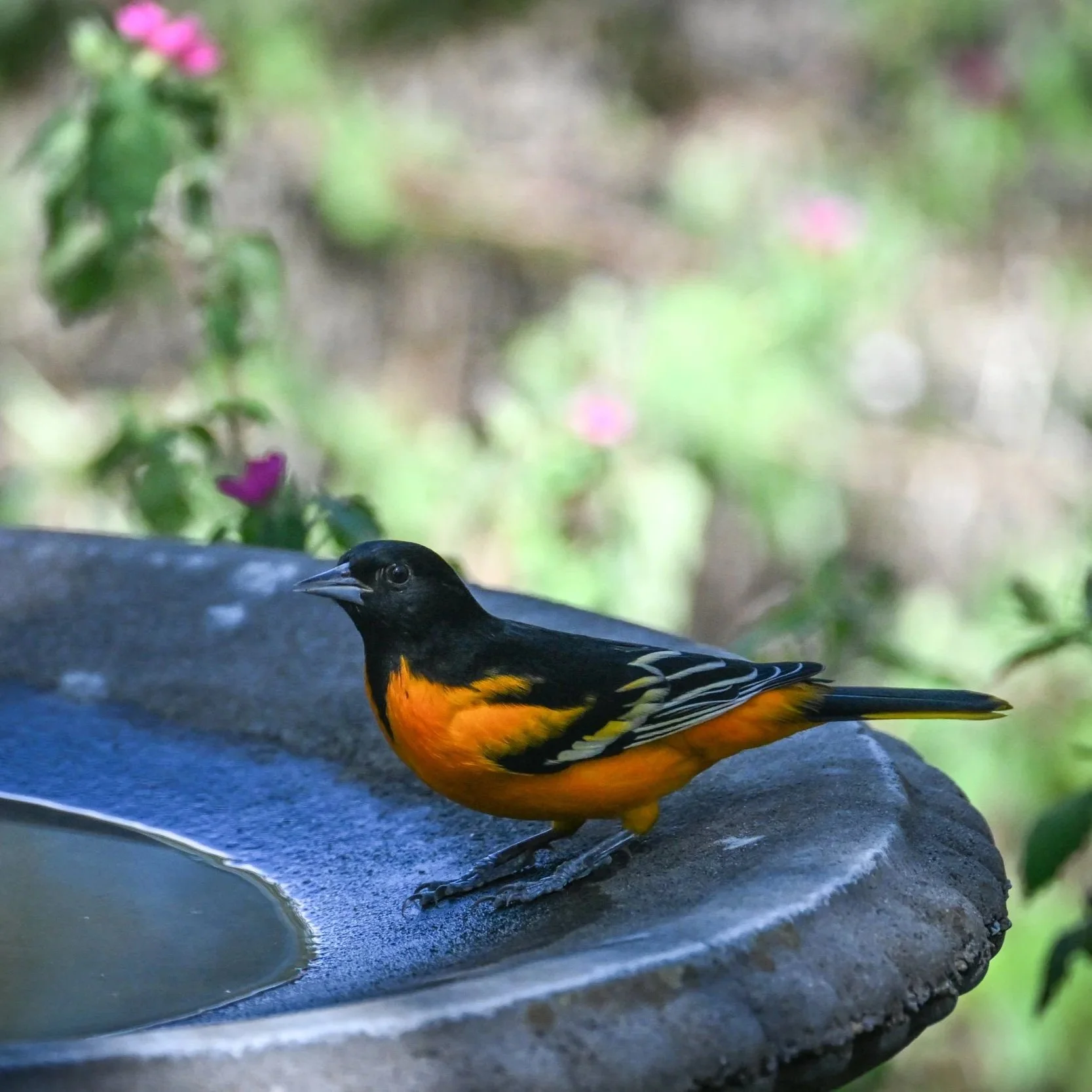
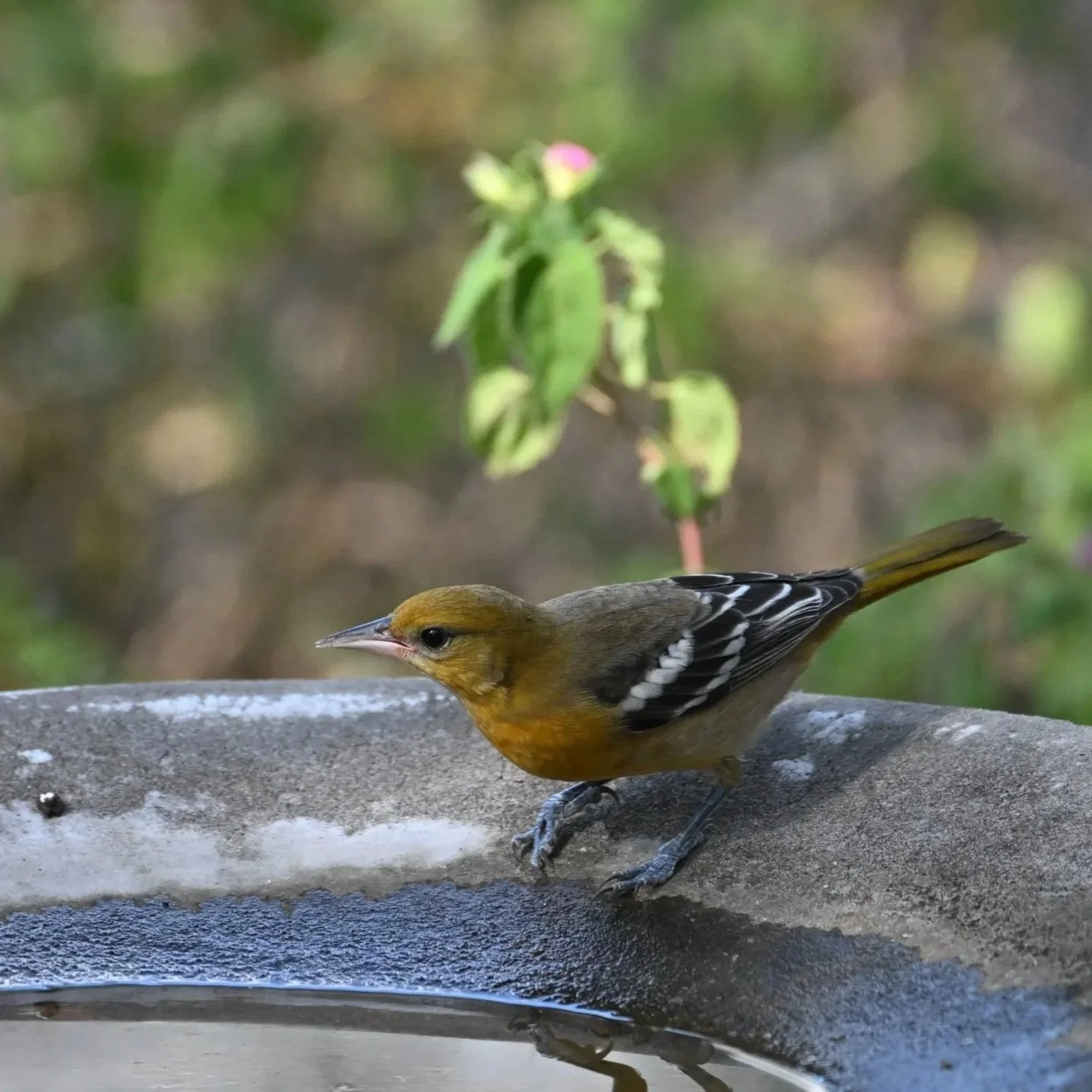
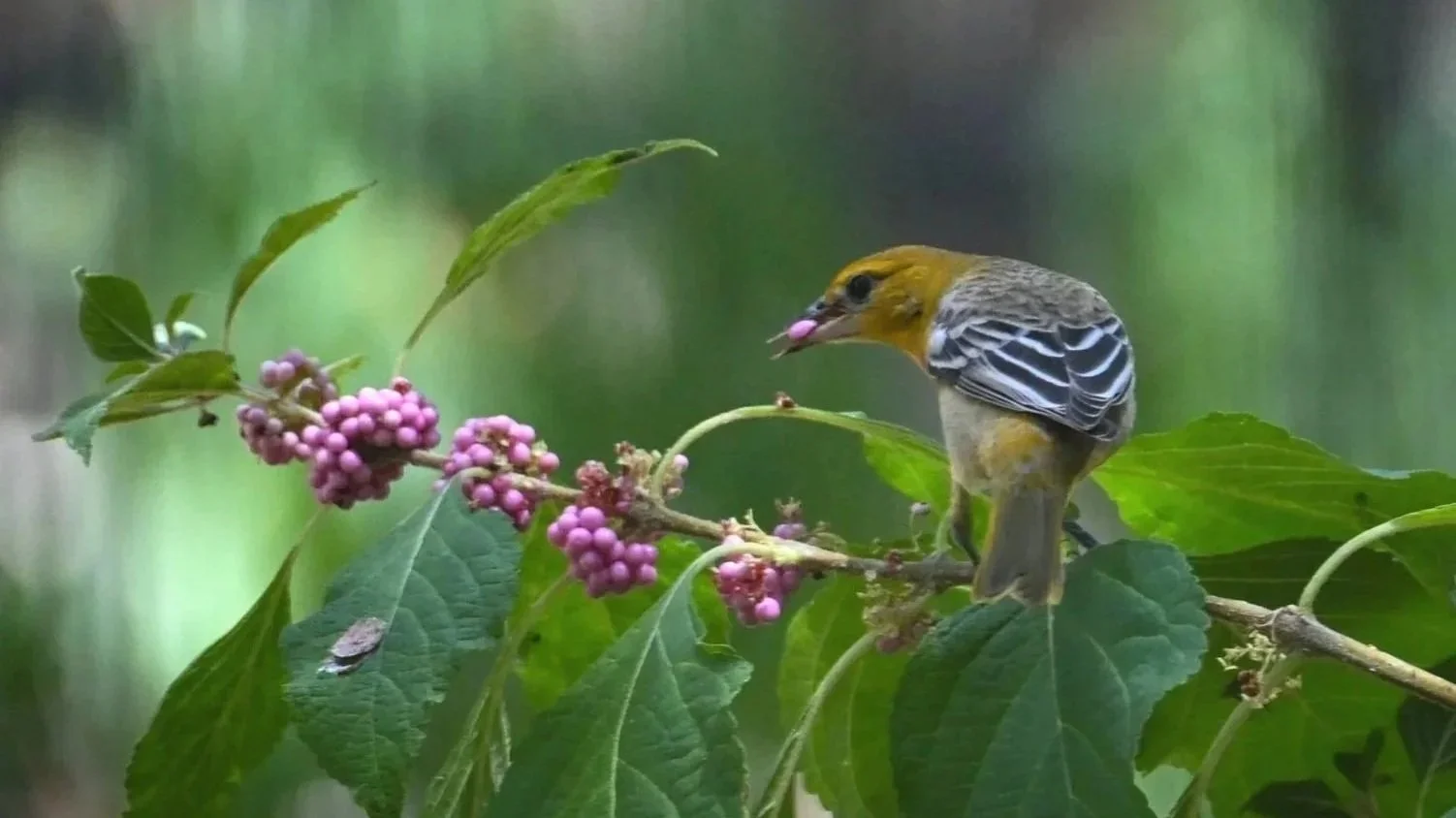
Sometimes the most striking moments of autumn happen just outside your window. This month’s cover photographs were taken by Betsy Cross in her backyard. They capture visiting Baltimore Orioles among the brilliant purple and pale lilac berries of an American beautyberry—a colorful meeting between a Texas native and a traveler headed south.
The Roadside Diner
Growing up in East Texas, I saw beautyberry everywhere in the woods. It was fun to strip the berries off the branches and use them as a kind of confetti. I was always told that the little berries were poisonous, so color me shocked when, as an adult, I learned they were edible! When I told my mother this over the summer, she didn’t believe me until I showed her recipes for beautyberry jelly. To celebrate this fact, I’ve included a recipe at the end of the page, but I’d love to hear how you use them.
American beautyberry (Callicarpa americana) is easy to recognize in fall. Its vivid clusters of deep magenta-purple berries are odd outliers from the fall palette of yellows and oranges. Native to Texas and much of the southeastern United States, this deciduous shrub grows naturally along woodland edges and beneath open tree canopies. Its delicate summer flowers attract pollinators, while its berries provide nourishment for songbirds and other wildlife as autumn food sources begin to dwindle.
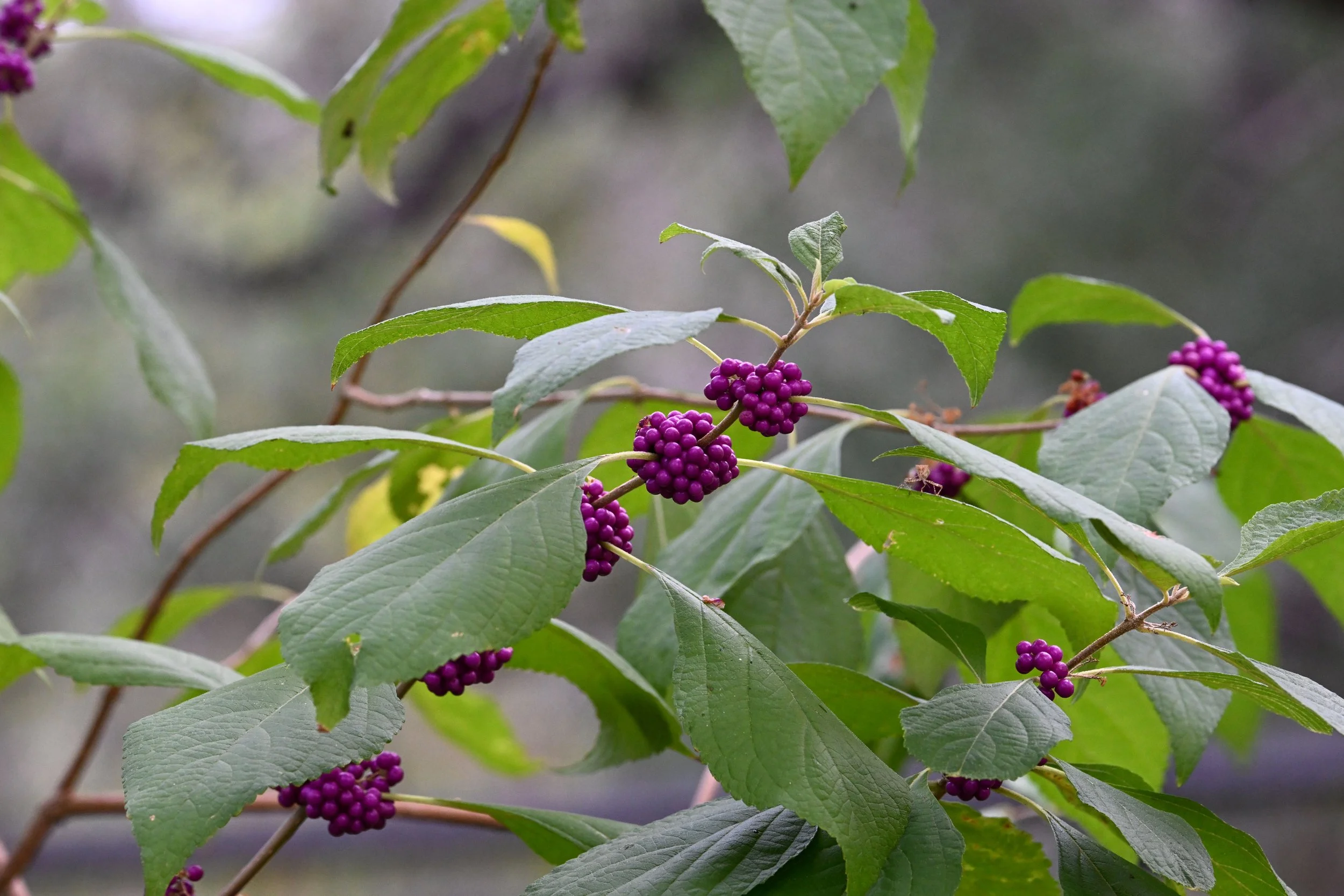
I’ve thoroughly enjoyed seeing it included more frequently in landscape design over the past few years, and why not? It fills the understory with gracefully arching arms and large, ovate, textured leaves that turn yellow in the fall. This, coupled with the berries, provides a delightful surprise of color in your landscaped environment.
The Travelers
The Baltimore Oriole (Icterus galbula) is one of the many migratory birds that benefit from fruiting native plants. Orioles eat insects, nectar, and fruit, adjusting their diet as the seasons change. During migration, energy-rich berries can help sustain them on the long journey to wintering grounds in Florida, Central America, and northern South America. A Texas backyard planted with native shrubs can therefore become much more than a pretty garden—it can serve as a rest stop and refueling station along a long-established migratory route. It’s also a bonus to see the contrast of the female’s golden-orange plumage against the soft pale lilac berries. Why not look beautiful while enjoying a snack?
Major League Baseball’s Baltimore Orioles may be sitting out of the playoffs this year, but Betsy’s backyard visitors still found a little home-field advantage in Texas. After loading up on beautyberries, these Orioles will be ready to continue south for the winter—no postseason ticket required. The actual Baltimore Orioles ended their 2026 season at 79–82, just short of the playoffs. That said, in a very un-Texan and self-aggrandizing statement, I’ll close by saying: Go Brewers!
Beautyberry Refrigerator Jelly
For those willing to share the harvest with the birds, beautyberries can also be transformed into a simple, jewel-toned jelly.
Ingredients
2 cups beautyberries, removed from the branches
2–4 cups water
1 (1.75-oz.) pkg. pectin, such as Sure-Jell
2 cups sugar
Directions
Remove beautyberries from shrub branches. Rinse, dry, and place in a large bowl. Mash beautyberries with a potato masher, ground beef masher, or mallet. Add 2 cups of water.
Place the beautyberry and water mixture into a large saucepot and heat over medium-high heat. Bring to a boil, stirring occasionally. Watch for burning, and scrape down the sides of the pot to prevent sticking. Boil the mixture until the berries soften. Note: The beautyberry mixture will have changed from the original bright purple-pink color to brown. The liquid produced will also be brown. Don’t be concerned. The original berry color will return.
Place a piece of cheesecloth over a large bowl. Pour the boiled beautyberry mixture over the cheesecloth, lift the cloth out of the bowl, and push the liquid through the cloth with a spoon or other utensil. If the juice is slow to come out, let the berry mixture cool, then make the cheesecloth into a pouch and squeeze the liquid out with your hands or mashing device.
Leave any seeds or debris in the cheesecloth, and discard the cloth and debris. Then, add enough water to the strained liquid to make 2 cups of berry-infused liquid. Place a second piece of cheesecloth in a large bowl, and strain the liquid through it.
Pour the 2 cups of beautyberry liquid into a saucepan over medium heat. Add one package of pectin (such as Sure-Jell) and 2 cups of sugar. Stir to dissolve the sugar and pectin. The liquid will begin to thicken and change color. Remove any foam, if possible.
Boil the jelly mixture for 10 minutes. Remove from the stove, and spoon into 4-ounce mason jars, leaving around ¼ inch of space at the top. Add the lids and rings to the jars. Note: If you don’t have 4-ounce mason jars, this recipe should yield one large mason jar of jelly.
Let the jelly cool, and store it in the refrigerator for up to two weeks. Alternatively, you can use the water-bath canning method to seal and can the jelly for longer storage.