
Citizen Scientists
Learning, Leading, Educating
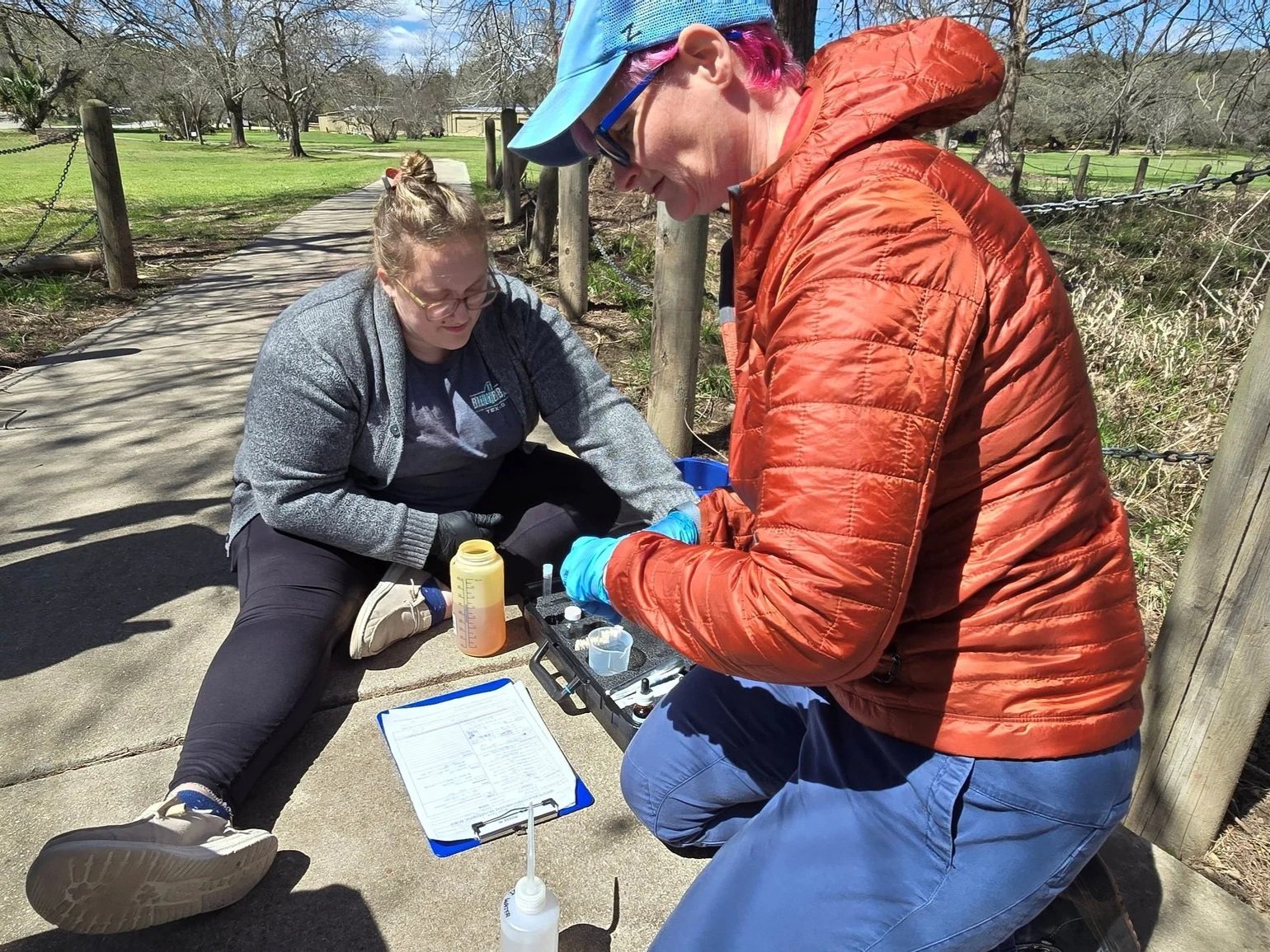
Alexis Britton and Laura Parchman Photo Courtesy Adam Berglund, San Marcos River Foundation Coordinator
Alexis Britton
Nature is always growing, changing, and adapting…now it’s time for citizens to follow in those footsteps. Citizen science sounds fancy, but it is not! Put simply, it is when local citizens are trained to monitor, observe, and gather data. San Marcos River Rangers is a local organization of citizen scientists trained by Texas Stream Team professionals. These local scientists are trained to gather water samples and complete a variety of tests in order to fill out data collection forms. Once completed, these forms are collected, and the data is used for a variety of purposes.
Texas Stream Team offers five training courses: Standard Core, Riparian Evaluation, E. coli Bacteria, Advanced, and Optical Brightener. Each training is broken down into three phases: Background Information, Indoor Practice, and Outdoor Practice.
Standard Core: Trains scientists to test for pH, water and air temperature, and other parameters using the Standard Core kit. Additionally, citizen scientists make a variety of field observations, such as Flow Level, Present Weather, and Days Since Last Significant Precipitation. Trainees must be at least 14 years old.
Riparian Evaluation: A riparian area is the area between a body of water and the surrounding land. Riparian areas are important for filtering and handling rain, runoff, or flooding. This data is important for biomonitoring, which helps show the health of the body of water. Trainees must be at least 14 years old.
E. coli Bacteria: This training can be conducted at the same time as Standard Core sampling. E. coli comes from animal waste and, in high concentrations, can cause adverse effects for people enjoying the body of water through activities such as swimming, kayaking, and floating. Trainees are required to be at least 14 years old, have completed Standard Core training, and have at least six months of core monitoring experience.
Advanced: This training includes nitrate-nitrogen, orthophosphate, turbidity, and streamflow. Participants are required to be at least 14 years old, have completed Standard Core training, and have six or more months of core monitoring experience.
Optical Brightener: This training is used to monitor the presence of optical brighteners, whitening agents found in detergents, in bodies of water. This training has the most requirements: participants must be at least 14 years old, have completed Standard Core and E. coli Bacteria training, and have six or more months of monitoring experience.
Each site has a rotation of three to four volunteers, with each volunteer recording data once during their assigned week. I monitored at John Stokes Park, one of 30 active monitoring sites in and around San Marcos where the River Rangers collect data monthly. Each time I monitored, it took roughly an hour to complete the Standard Core tests and fill out the form.
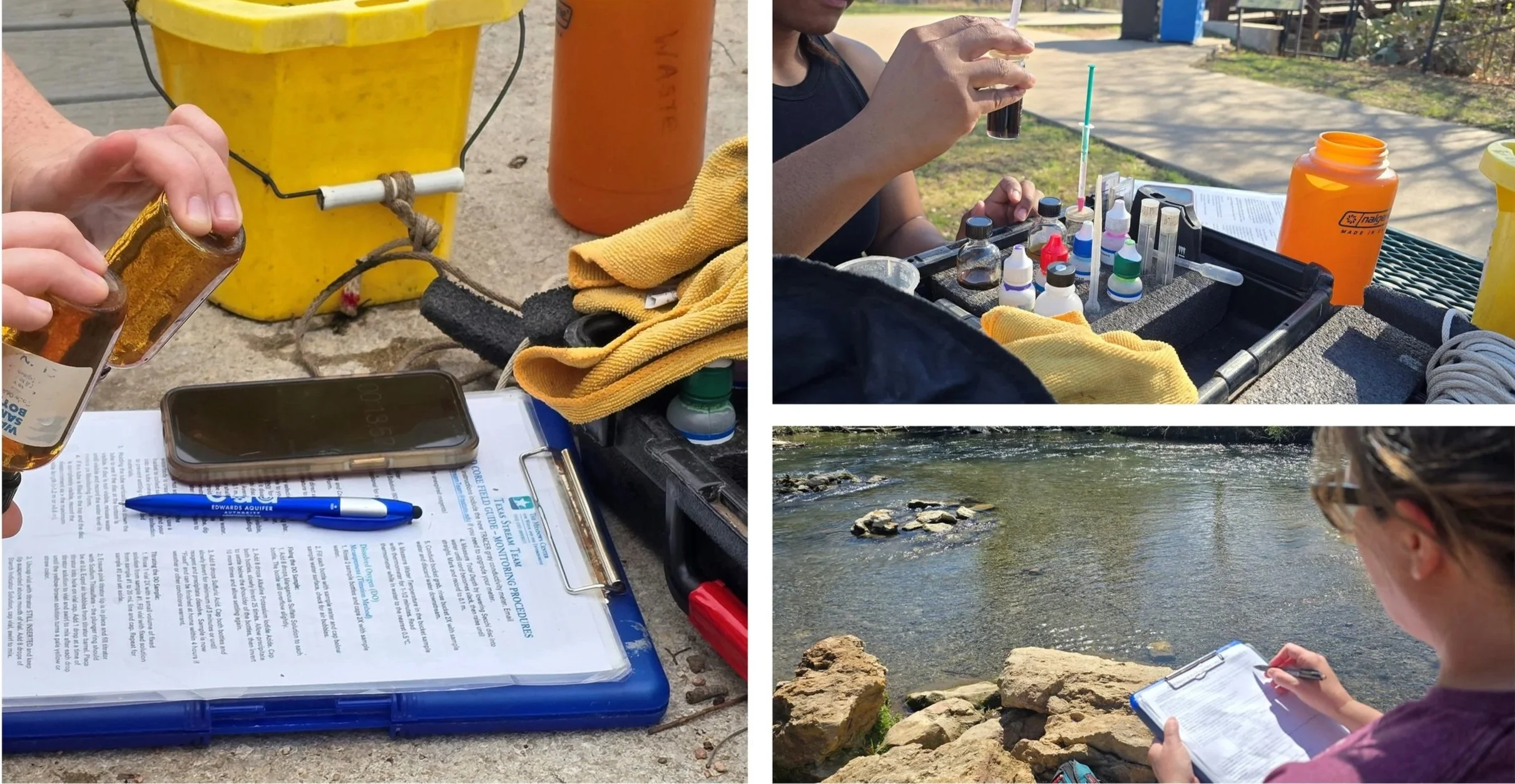
Photos courtesy Adam Berglund
Along with completing the tests and forms, volunteers are asked to take photos looking upstream, at the sampling site, and downstream. These photos help document erosion and change over time.
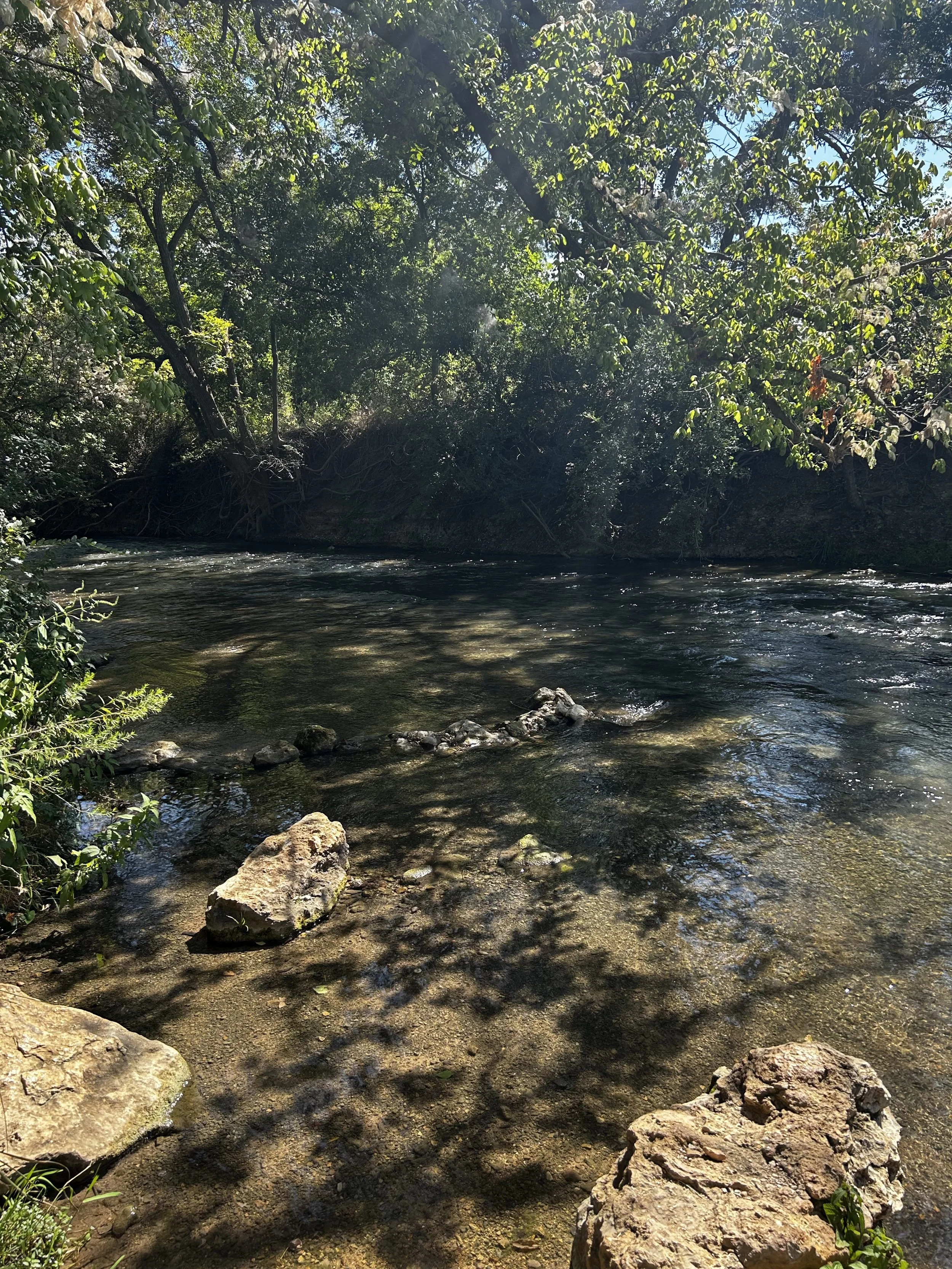
Downstream from the sampling site. Photo courtesy Alexis Britton
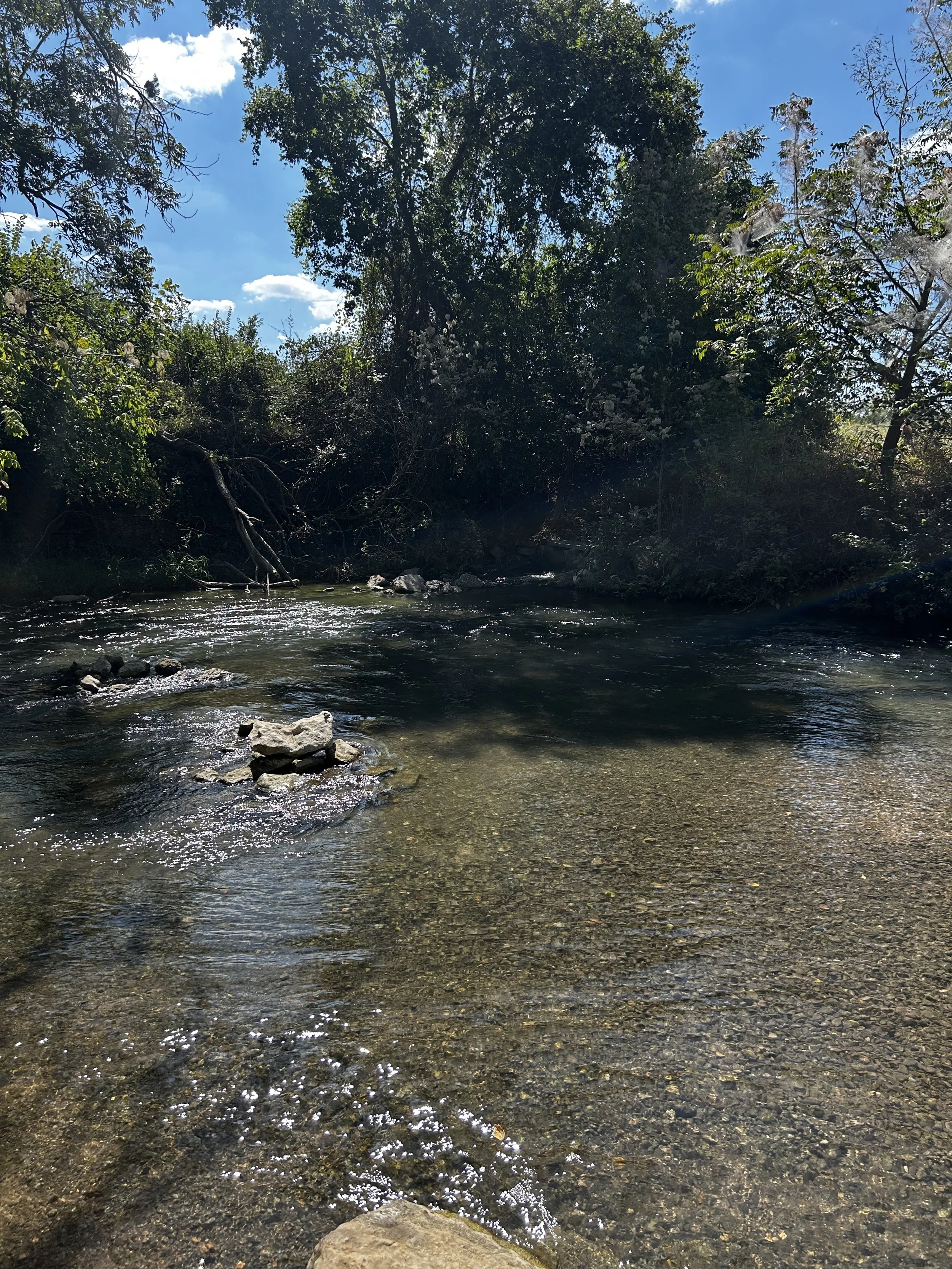
Site of the fish hatchery drain. Photo courtesy Alexis Britton
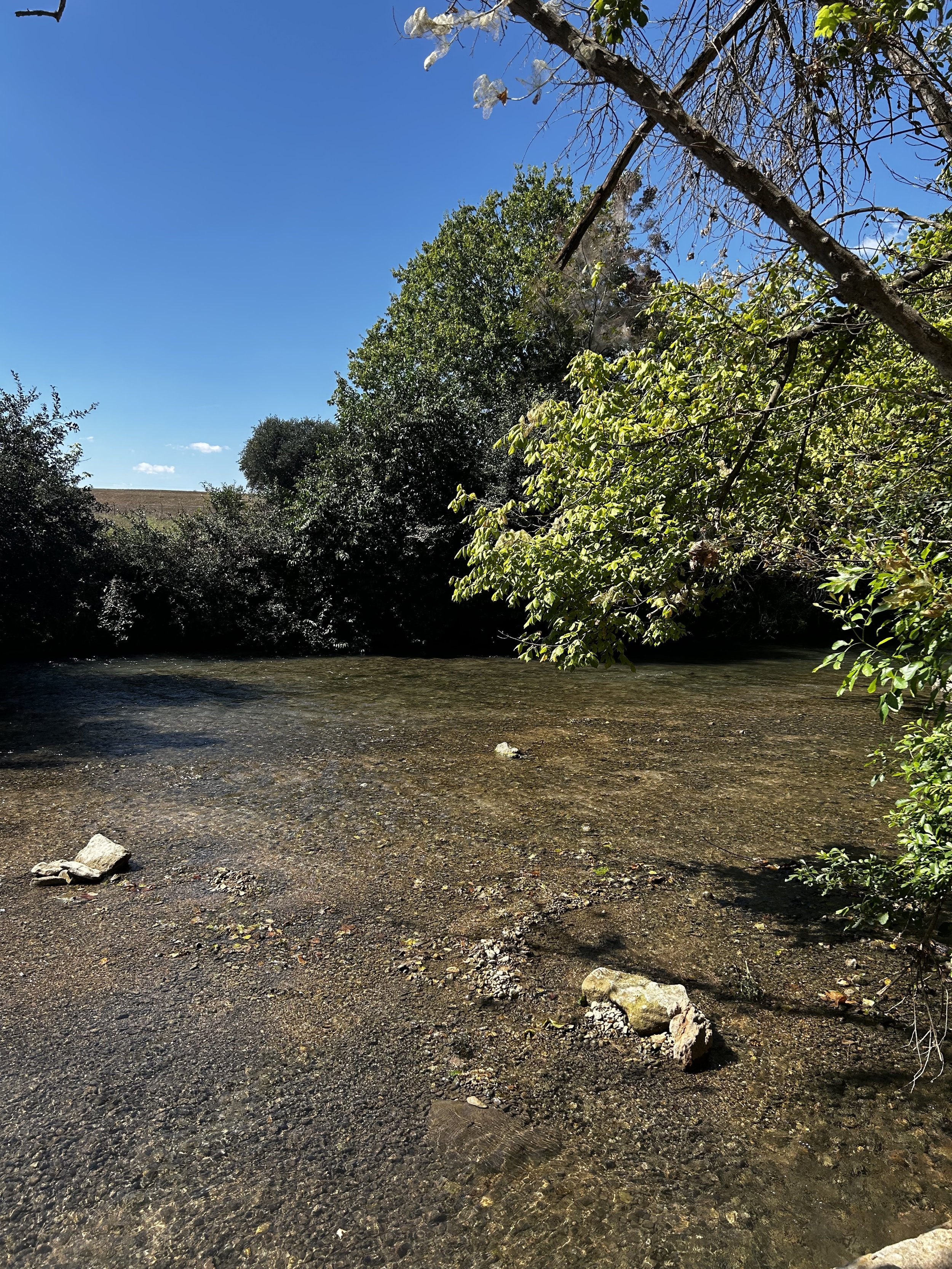
Upstream from the sampling site. Photo courtesy Alexis Britton
Sometimes you can find some uncommon things while monitoring. I found a freshwater clam, Plain-bellied Water Snake, and even a hunting Green Heron! It is also a great opportunity to pick up any trash or debris and help keep our rivers clean.
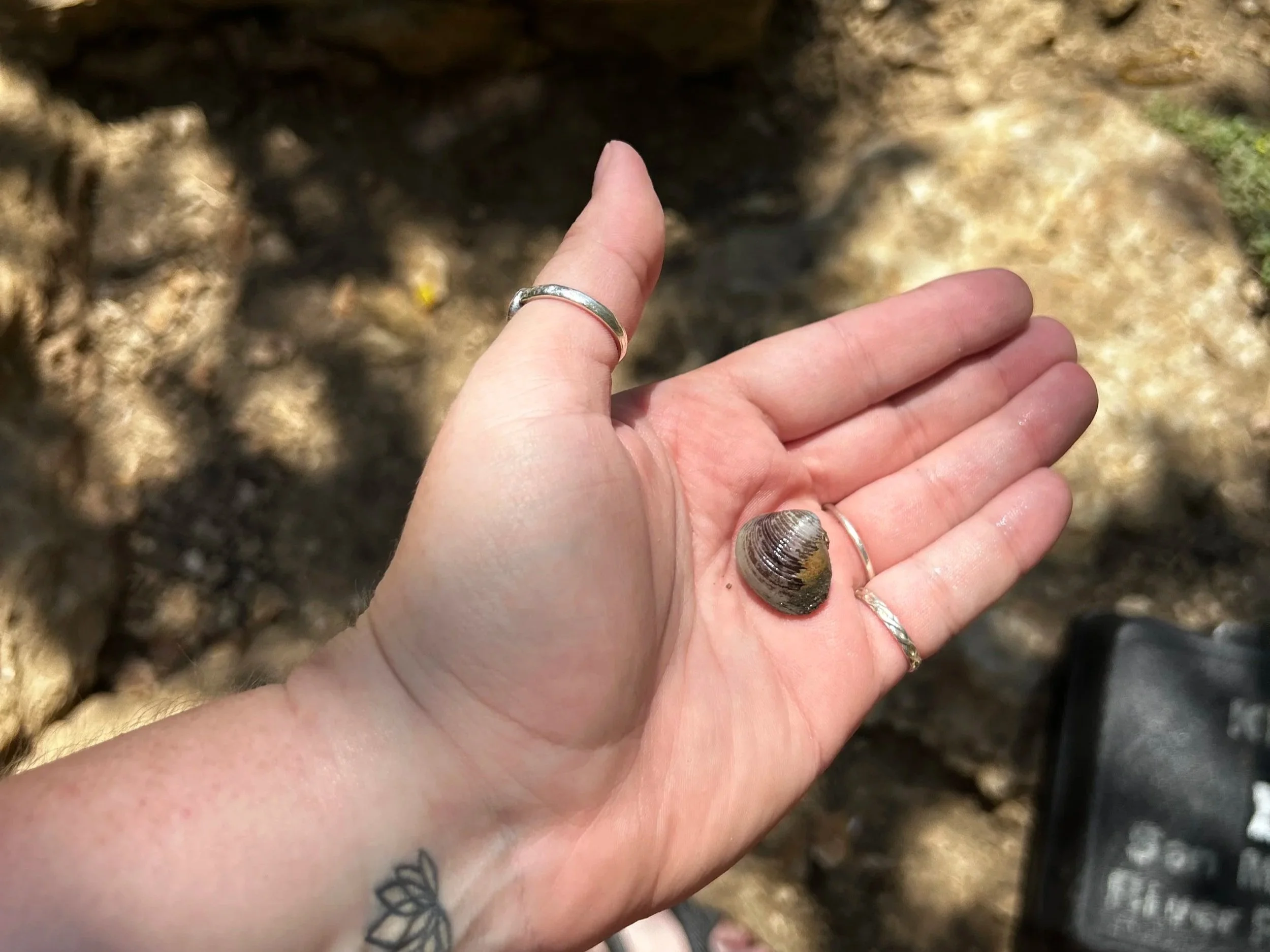
Freshwater Asian clams are a common invasive species in Texas water. You can tell them apart from native mussels by the prominent horizontal ridges on their quarter size shells. Feel free to remove them from the water when you see them. Photo courtesy Alexis Britton
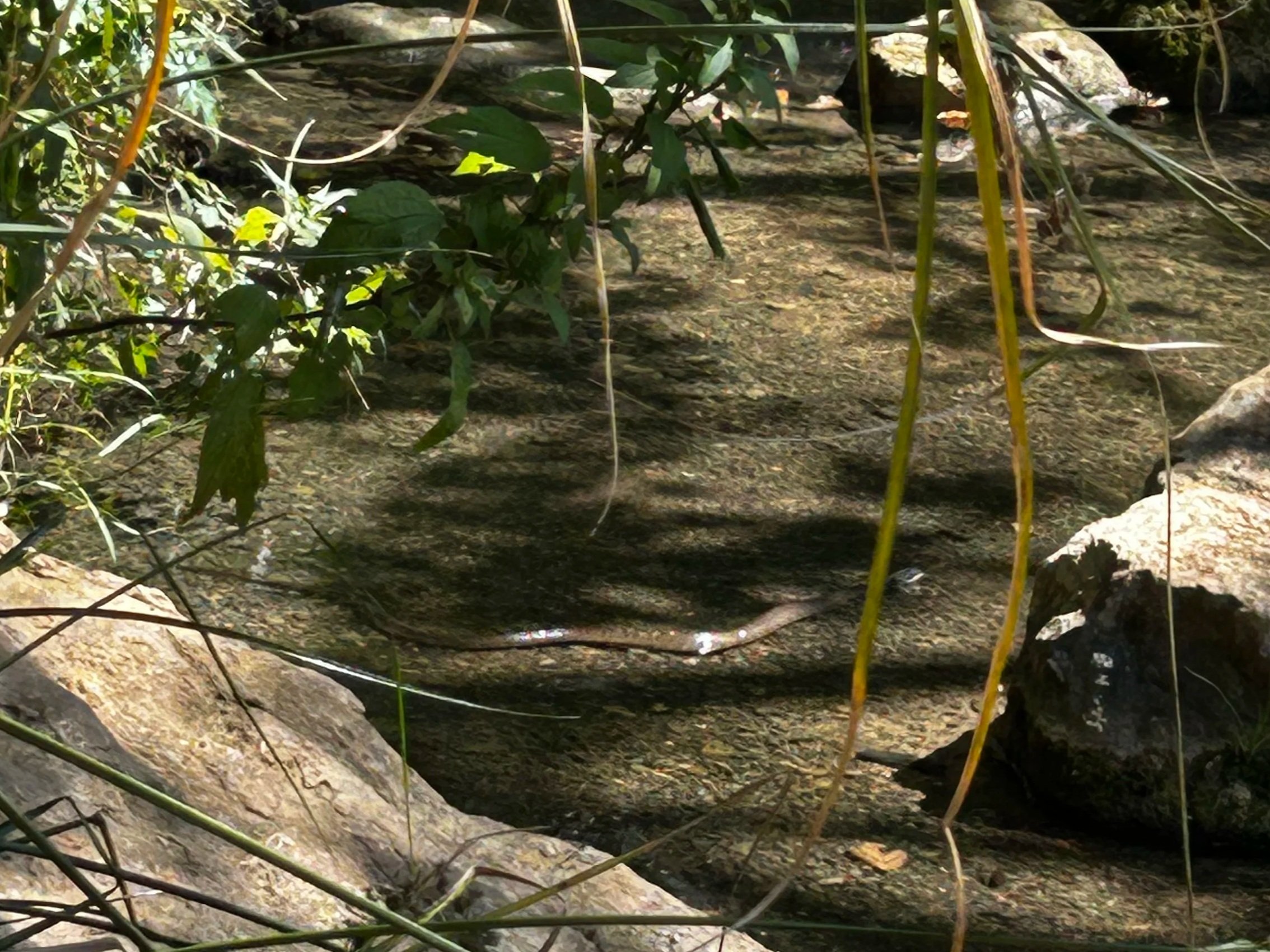
Plain-bellied Water Snake. Photo courtesy Alexis Britton
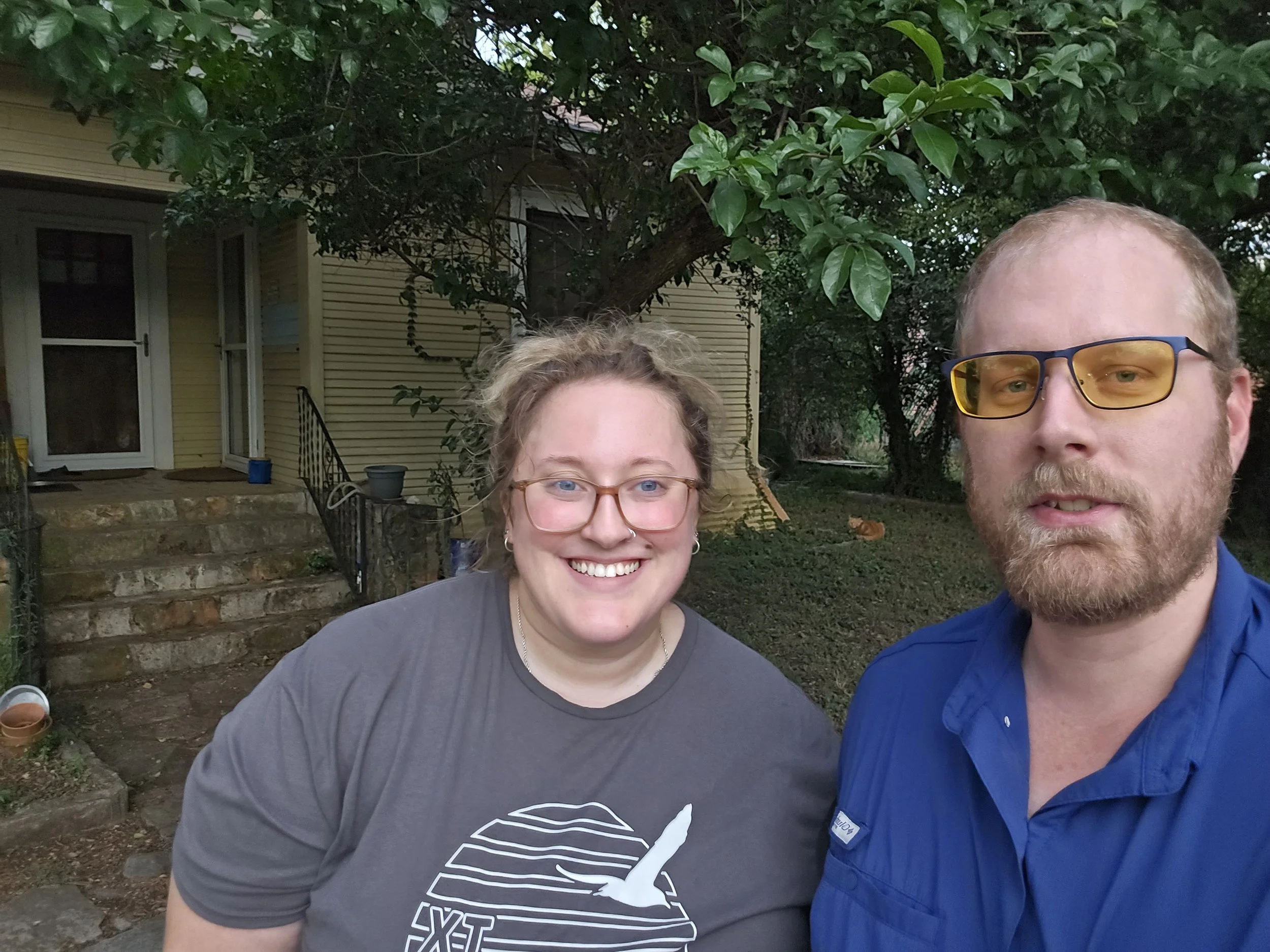
Adam Berglund is the local trainer and coordinator for the San Marcos River Foundation (SMRF) and can be reached at adam@sanmarcosriver.org.
Adam has both a passion and a drive for sharing his knowledge about local ecology with anyone who wants to learn.
I had the pleasure of attending each class with Adam as my trainer, which left me feeling both prepared and excited to begin monitoring.
Alexis Britton and Adam Berglund
Photo courtesy Alexis Britton
Water Quality Monitoring
A Project of Hays County Master Naturalist
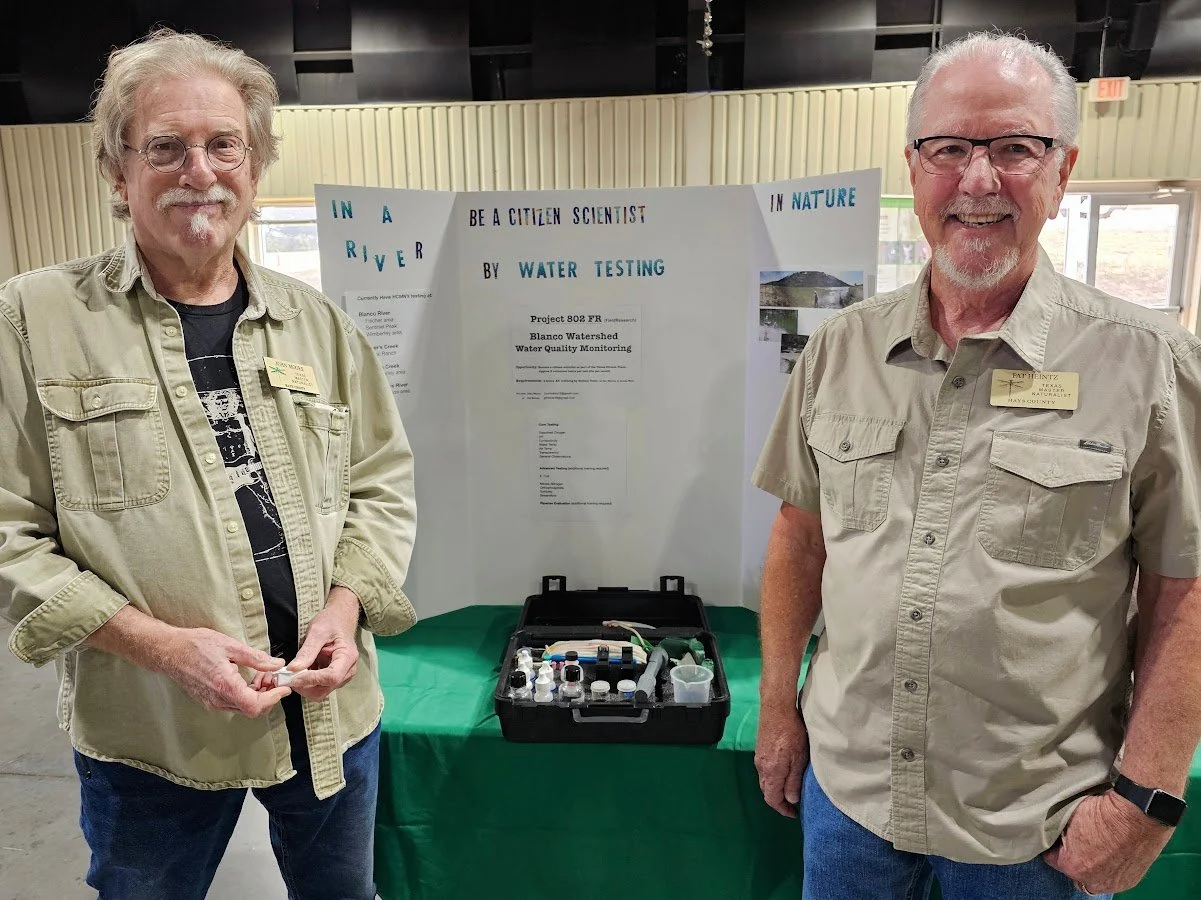
Water Quality Monitoring – Project 802: Help protect our water resources by volunteering to monitor water quality in the Hays County watershed. We use approved Texas Stream Team methods and reporting, and your efforts will contribute to keeping our water clean and safe. Presenters: John Moore and Pat Heintz. Photo courtesy Mimi Cavender
John Moore, Project Coordinator
Hays County Master Naturalist presently has more than 19 members testing water at various sites throughout Hays County. Most volunteers conduct core sampling monthly at their sites, but a few have also been trained in E. coli, Advanced, and Riparian evaluations.
Historically, two projects evolved for this testing: 420FR and 802FR/802DO. We recently decided to combine the two projects, so going forward, Project 802 will be utilized. Project 802FR is used to record volunteer hours associated with the monthly testing program, while Project 802DO can be used to record volunteer hours accrued while participating in community outreach programs.
As an example of outreach, Jacob’s Well Natural Area is developing a presentation program on water issues and has asked HCMN to participate by discussing the testing programs and water quality issues.
After completing the training, HCMN volunteers can immediately begin testing as citizen scientists alongside others to gain experience and eventually take responsibility for their own site.
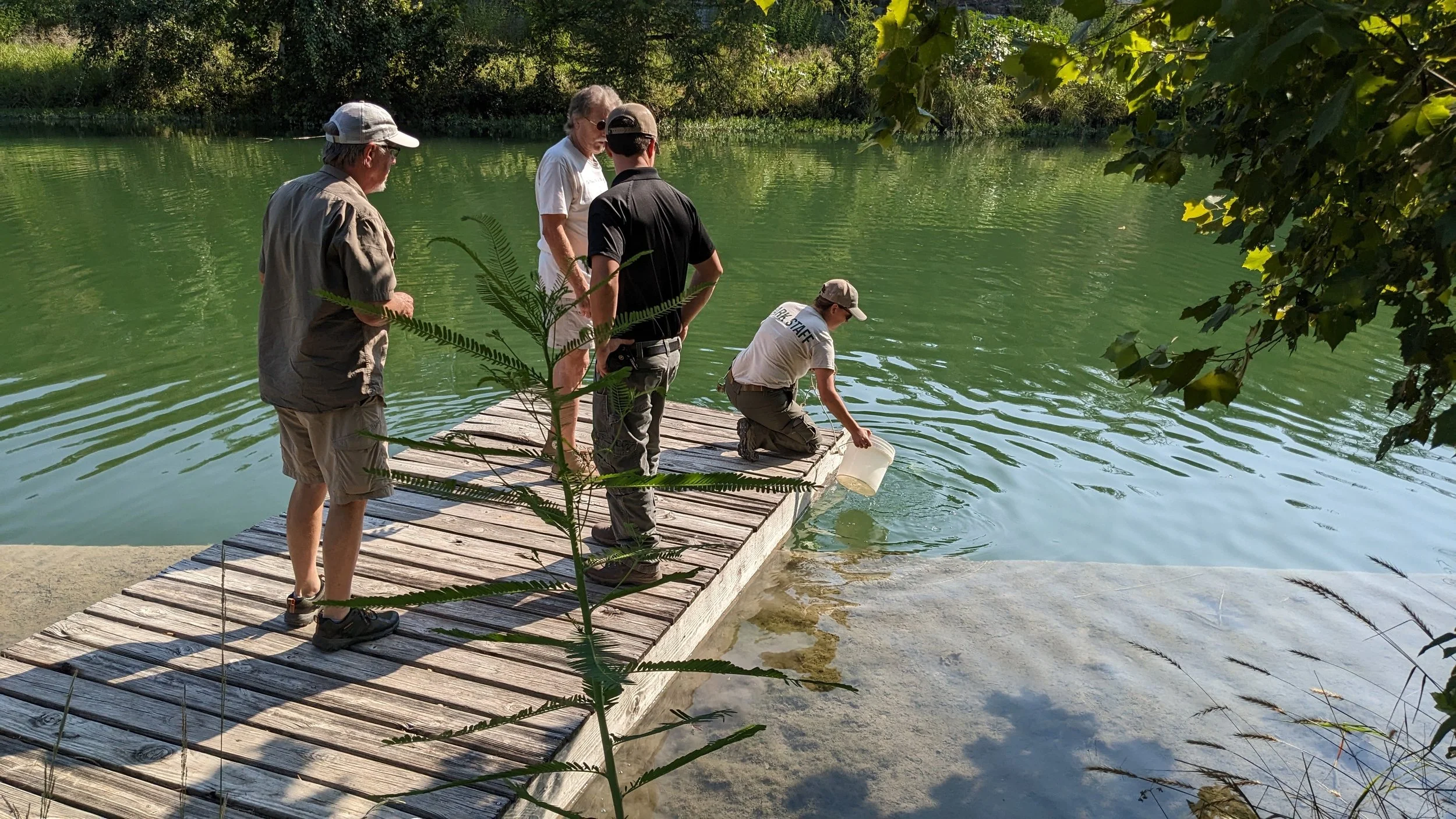
Photo courtesy Pat Heintz
Water Quality Testing
A Video Featuring HCMNs Pat Heintz and Sarah Carlisle
Produced by HCMN John Moore